







Global oil markets surged on Monday after negotiations between the United States and Iran ended without agreement, reviving fears of prolonged disruption to Middle East energy supplies and triggering fresh volatility across financial markets.
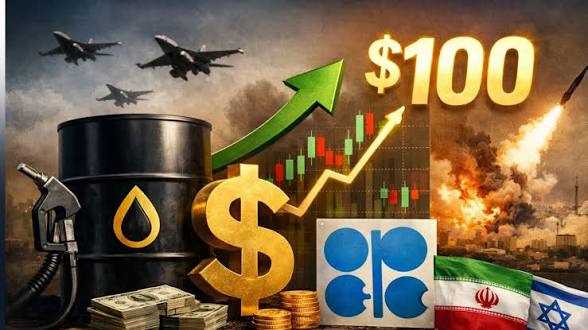
Brent crude briefly climbed above US$102 per barrel, rising more than 7% at the start of trading as investors reacted to the breakdown of diplomatic efforts aimed at stabilising the region. The failed talks have deepened uncertainty surrounding the security of oil flows through the Strait of Hormuz — a vital shipping corridor responsible for roughly one-fifth of global oil supply.
The waterway has effectively remained closed since hostilities escalated in late February, tightening global supply and pushing oil prices more than 30% higher since the conflict began.
Financial markets swiftly responded to the renewed geopolitical risk. Equity futures pointed lower, with S&P 500 contracts falling in early trading while Asian markets prepared for declines. Investors shifted toward traditional safe-haven assets, strengthening the US dollar while pressuring risk-sensitive currencies.
The euro weakened against the dollar, while currencies tied to global growth expectations, including the Australian dollar and British pound, also retreated.
Tensions intensified after US President Donald Trump announced that the US Navy would begin enforcing a blockade of the Strait of Hormuz following the collapse of marathon negotiations held in Islamabad. The move has heightened fears of further escalation and potential attacks on regional energy infrastructure.
Related Stories
Market analysts say the sudden shift reflects investors abandoning earlier optimism that diplomacy could restore stability.
“The market has rapidly unwound expectations of a peace breakthrough,” analysts noted, pointing to a classic risk-off environment characterised by rising oil prices, a stronger dollar and falling equities.
The surge in energy costs has also revived concerns about global inflation just as many central banks were preparing to ease monetary policy. Investors are now reconsidering expectations, with the possibility that major institutions such as the European Central Bank and the Bank of England could instead maintain or even raise interest rates.
Bond markets weakened as inflation fears resurfaced, while gold prices fell nearly 2% as traders locked in profits following the metal’s strong rally earlier in the conflict.









Leave Comments