







The United States says it could scale down military operations against Iran within weeks, even as fresh attacks across the Gulf region highlight the fragile state of the conflict.
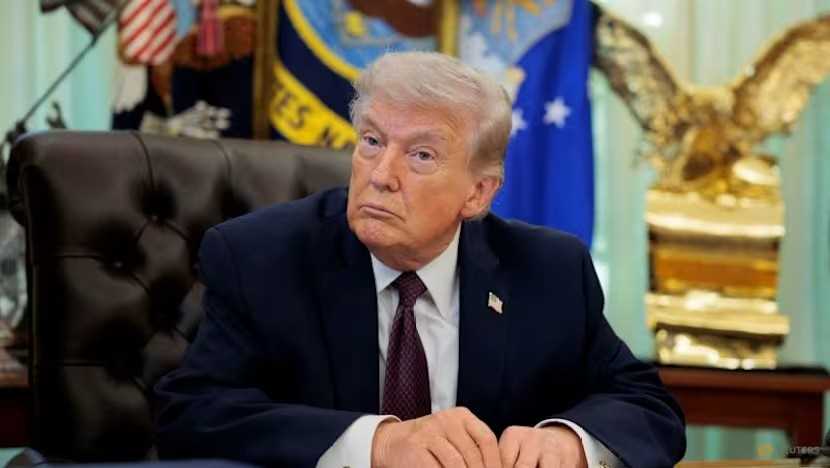
US President Donald Trump told reporters Washington would be leaving Iran “very soon,” suggesting an exit could come within two to three weeks regardless of whether a diplomatic agreement is reached.
The remarks mark a shift in tone from earlier US demands that Tehran accept a ceasefire framework tied to nuclear restrictions and reopening the Strait of Hormuz, a critical global oil route.
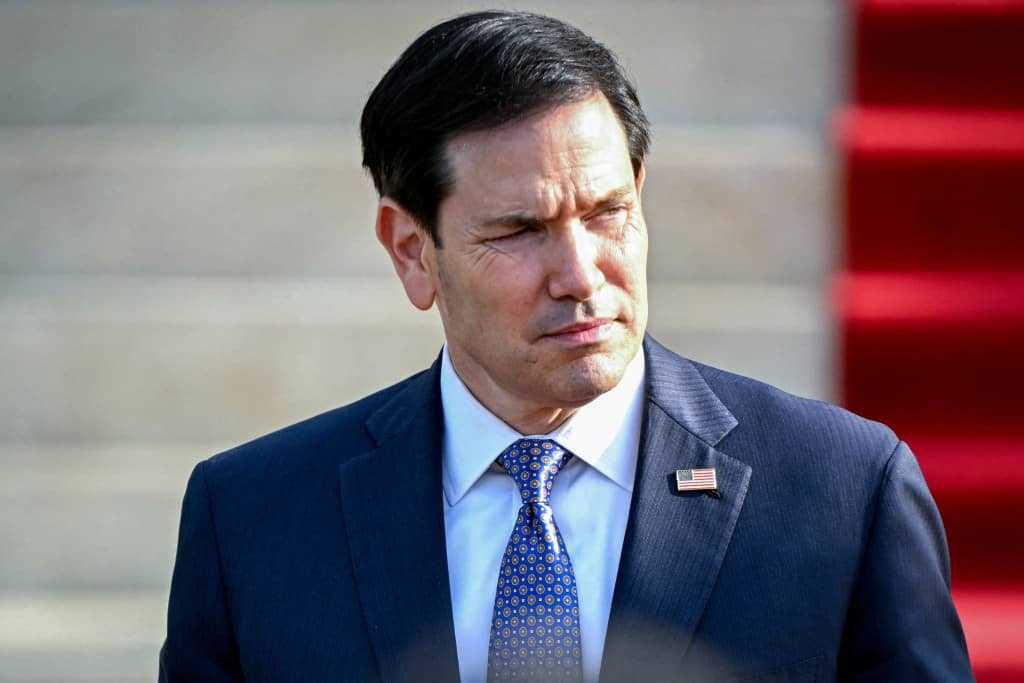
The White House said Trump will deliver a national address outlining the next phase of US policy, while Secretary of State Marco Rubio indicated direct talks with Iran remain possible.
“It’s not today, it’s not tomorrow, but it is coming,” Rubio said, signalling cautious optimism about a negotiated end to the war.
Despite diplomatic signals, attacks continued across multiple fronts early Wednesday.
Drone strikes ignited fuel storage facilities near Kuwait International Airport, while Bahraini authorities reported damage to a commercial site following an Iranian attack. Maritime security officials also confirmed a tanker was struck near Qatar’s capital Doha, causing a fire but no casualties.
Explosions were reported across Tehran following overnight air strikes attributed to US and Israeli forces, with Iranian air defence systems activated across the capital.
Related Stories
The escalating conflict has raised renewed fears over the security of the Strait of Hormuz, through which roughly a fifth of global oil supplies move. Oil prices extended gains, although Asian markets rebounded on hopes of a potential de-escalation.
Iranian officials rejected US suggestions that negotiations are underway, saying messages received through intermediaries did not constitute formal talks.
Meanwhile, Washington has pressed allies to contribute more to regional security operations. US Defence Secretary Pete Hegseth called on partner nations to help secure shipping lanes, while Rubio warned the United States may reassess relations with NATO allies after the conflict.
Reports indicate the United Arab Emirates is exploring a United Nations resolution that could authorise action to reopen the Strait of Hormuz if tensions worsen.
Iran’s Revolutionary Guards have also threatened to target US-linked companies operating in the region, escalating economic and security risks.
Hostilities continued in Israel and Lebanon, where missile debris fell in central Israel following Iranian rocket launches. Yemen’s Houthi movement claimed a coordinated strike alongside Iran and Hezbollah, signalling deeper regional alignment among Tehran-backed groups.
Israeli strikes in Beirut killed at least seven people and injured dozens, according to Lebanese health authorities, while Indonesia called for a UN investigation after three of its peacekeepers were killed in southern Lebanon.
While Washington signals a potential exit, the continued exchange of attacks suggests the conflict remains volatile, with diplomacy and escalation unfolding simultaneously.





Leave Comments