








A new wave of feminist research is emerging in Zimbabwe, seeking to confront persistent gender inequalities by centring women’s lived realities, particularly within the country’s expansive informal economy.
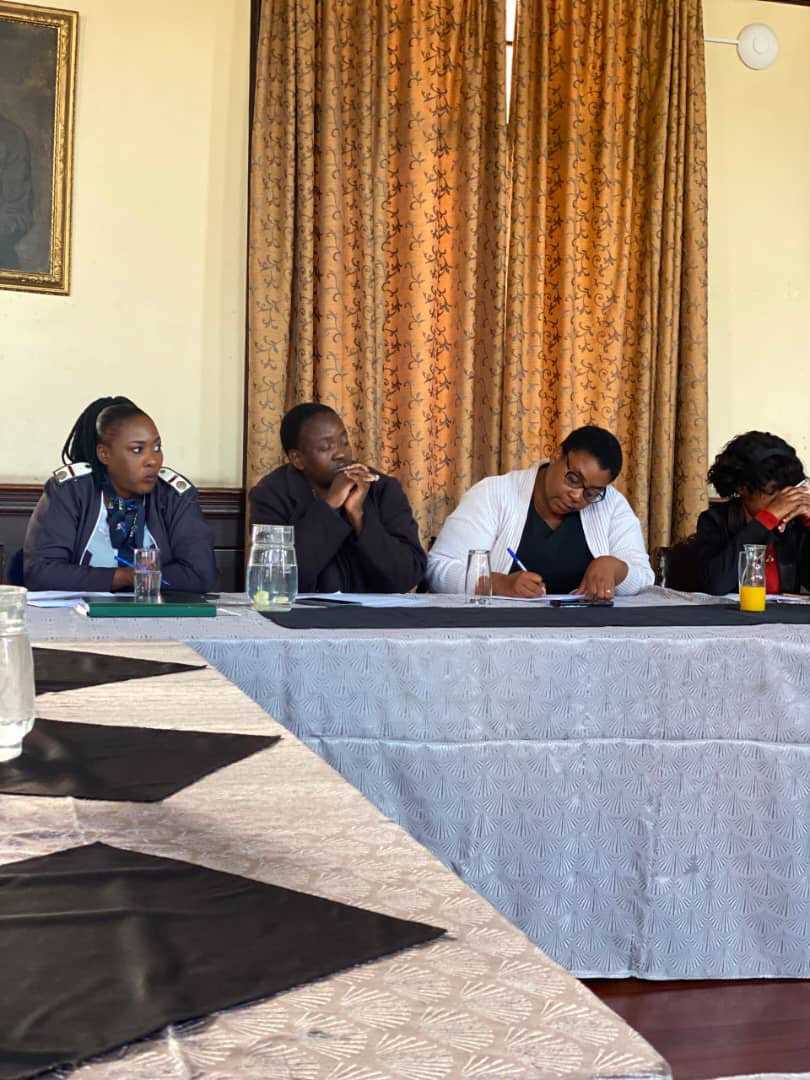
Christian Aid Zimbabwe, in partnership with Friedrich Ebert Stiftung, supported the Feminist Research & Action Group to produce and launch two research papers examining structural barriers affecting women’s economic participation.
The organisations said the initiative seeks to address longstanding imbalances in knowledge production and policy discourse.
“Too often knowledge production is male-dominated, and feminist thought lag behind,” organisers said, describing the research programme as an effort to expand intellectual space while strengthening evidence-based advocacy.
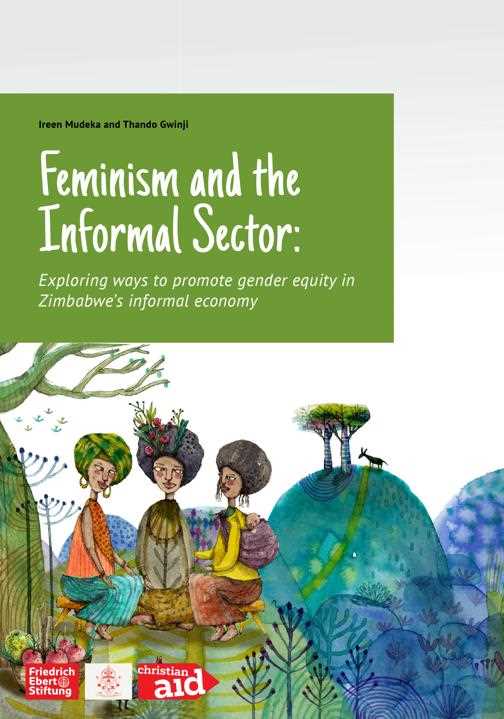
One of the studies, Feminism and the Informal Sector, explores pathways toward gender equity in Zimbabwe’s informal economy, where women account for an estimated 60 to 70 percent of participants.
Related Stories
Despite their dominance in the sector, women remain largely concentrated in low-income and vulnerable activities characterised by limited access to finance, social protection and formal market opportunities.
A second paper, Everyday Feminism in Zimbabwe, interrogates societal perceptions and misconceptions surrounding feminism, examining how gender inequality manifests through daily social interactions, cultural norms and institutional structures.
“FRAG is building an alternative space to grow accessible feminist intellectual work in Zimbabwe, stimulating research that illuminates women’s lived realities,” the organisers said, adding that the initiative prioritises amplifying the voices and experiences of women and girls.
While research initiatives are increasingly shaping national conversations around gender equality, translating findings into policy reform and practical economic inclusion measures remains a significant challenge.
Zimbabwe continues to face entrenched disparities in income levels, asset ownership and access to formal employment, particularly for women operating within the informal sector, which remains the country’s dominant economic space.
The initiative reflects growing efforts by civil society organisations to influence policymaking through research-driven advocacy.
However, its long-term impact will depend on whether such work informs tangible interventions in labour policy, financial inclusion frameworks and social protection systems aimed at closing gender gaps in the economy.




Leave Comments