







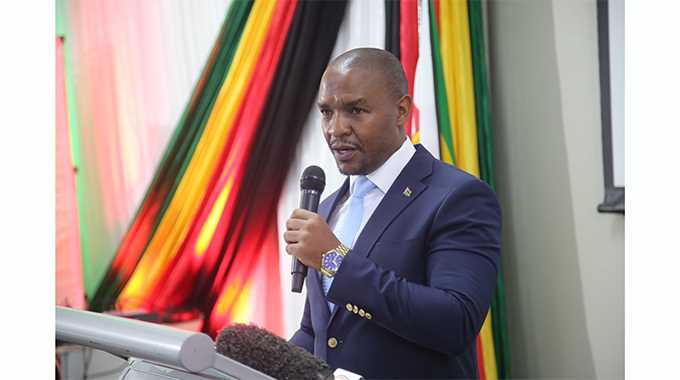
Local Government Minister Daniel Garwe has launched a direct attack on religious figures and illegal land allocation networks, accusing a self-styled prophet of exploiting desperate home seekers through fraudulent housing schemes operating outside the law.
Speaking to residents at Gilston Farm, where authorities are confronting illegal stand allocations, Garwe singled out prominent religious figure, Walter Magaya of PHD Ministries, while warning communities against paying large sums of money to individuals promising protection from state action or legal consequences.
“If fake prophets come, the likes of Walter Magaya, Mabhiza and others, lying to you taking US$85, US$100, US$200 from you, faring you with buses, saying none can do anything to them, even Minister Garwe or Ndudzo, saying even the law cannot hinder me, those guys are possessed and I want to destroy that power today,” Garwe said.
The remarks reflect escalating tensions around illegal settlements and land barons, a long-running issue that continues to expose governance weaknesses within Zimbabwe’s urban planning and land administration systems.
Related Stories
Religious figures and politically connected intermediaries have increasingly been accused of exploiting housing demand by mobilising land seekers onto unregularised land while collecting cash payments outside formal state structures.
Garwe’s comments are particularly significant because they directly connect influential religious personalities to informal land allocation activities, an area that authorities have often approached cautiously due to the political and social influence such figures command.
The reference to residents being transported by buses points to the organised nature of some settlement operations, where groups of home seekers are mobilised onto contested land under promises of future regularisation. In many cases, desperate families pay registration or allocation fees despite the absence of approved development plans, title deeds, or local authority authorisation.
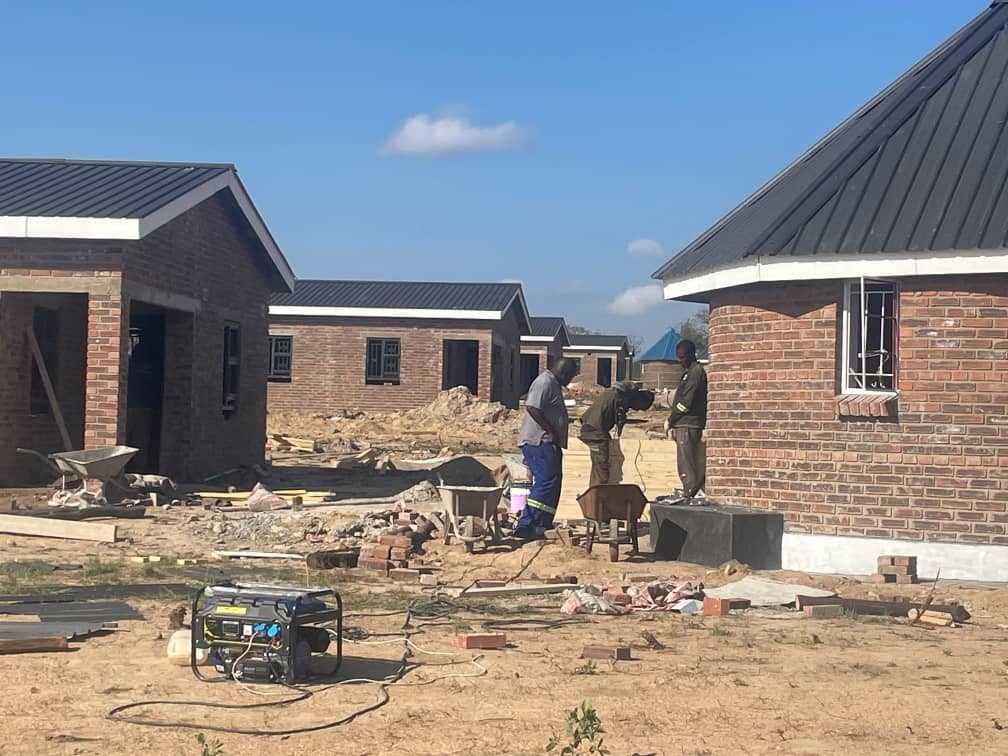
Zimbabwe’s housing crisis has created fertile ground for these schemes. Rapid urbanisation, limited formal housing delivery, and rising property costs have left thousands unable to access legal residential stands, creating a parallel informal market dominated by land barons, cooperatives, and intermediaries operating in regulatory grey zones.







Leave Comments