






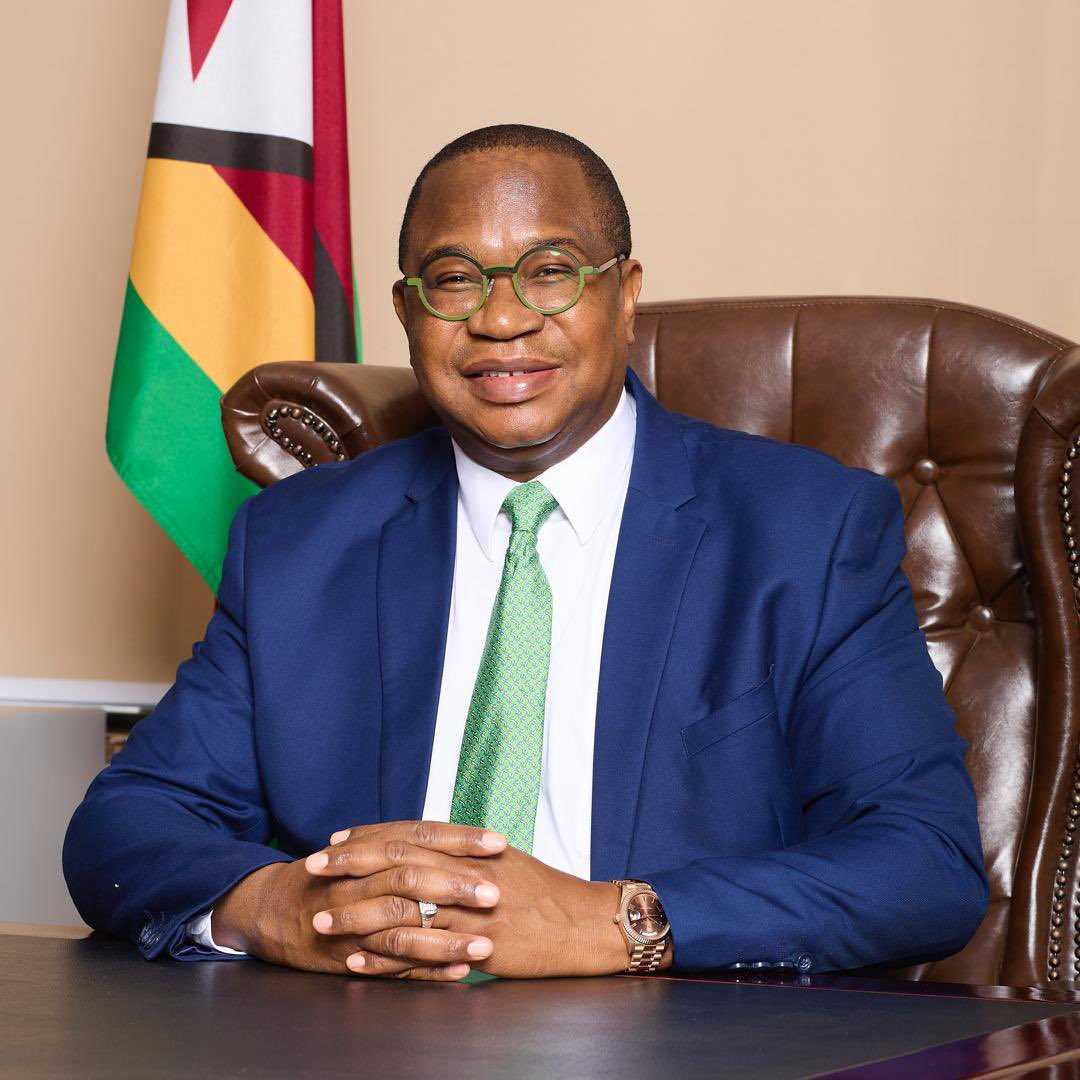
Finance Minister Mthuli Ncube has announced an aggressive expansion of Zimbabwe’s tax base, signalling a shift from fiscal stabilisation to structural revenue reform under the 2026 National Budget.
Speaking at the 6th Annual Tax Review Breakfast Meeting, Ncube said inflation had eased to 4.1 percent and the exchange rate had stabilised, creating room to transition toward “inclusive, sustainable growth”.
But the reforms place taxation at the centre of that growth strategy.
Government plans to introduce a Digital Services Tax, implement a Property Levy, widen presumptive taxes and digitise compliance systems to integrate informal and emerging sectors into the tax net. Treasury says the aim is to correct a long-standing imbalance in which a narrow formal sector shoulders most of the tax burden.
Related Stories
The shift echoes previous revenue drives under the Transitional Stabilisation Programme (2018–2020) and subsequent austerity cycles, where aggressive domestic resource mobilisation helped deliver budget surpluses but drew criticism for squeezing businesses and households already battling currency volatility and low consumer demand.
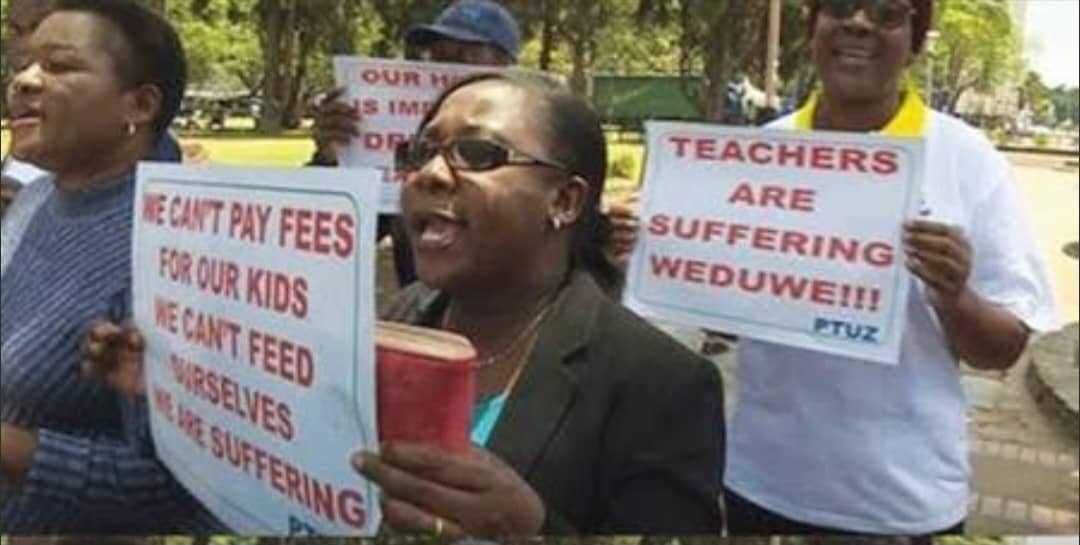
While Treasury argues that stronger domestic revenue will reduce reliance on borrowing and underpin economic transformation, economists caution that broadening the tax base in a fragile recovery phase risks dampening consumption and investment if not matched by measurable improvements in service delivery.
Ncube defended the Health Promotion Levy as evidence of “taxation with tangible returns,” citing hospital upgrades and equipment recapitalisation funded through earmarked revenues.
The minister also pledged “zero tolerance” for tax evasion, backed by enhanced data analytics and tighter enforcement.
However, the success of the 2026–2030 Medium-Term Revenue Strategy may ultimately depend less on compliance systems and more on whether expanding the tax net stimulates growth, or further constrains it.




Leave Comments