





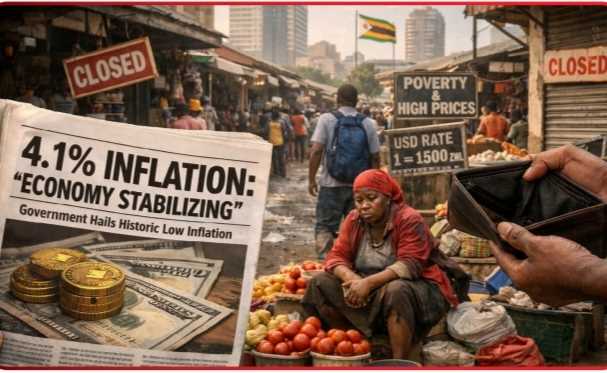
Zimbabwe has recorded single-digit annual inflation for the first time since 1997, with official figures showing price growth slowed sharply to 4.1 percent in January 2026, down from 15 percent the previous month.
Authorities have described the development as a historic milestone and a key step toward stabilising the gold-backed Zimbabwe Gold currency.
Finance Minister Mthuli Ncube said the outcome marked a turning point for the economy, nearly three decades after the country last achieved sustained single-digit inflation in domestic currency.
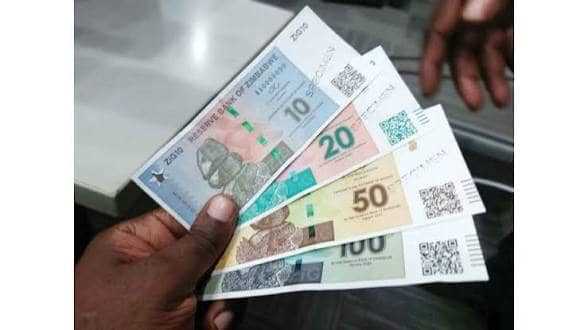
The ZiG, introduced in April 2024 following repeated currency failures, is intended to become Zimbabwe’s sole currency by 2030, subject to meeting several macroeconomic benchmarks, including low inflation and adequate foreign reserves.
According to Treasury, foreign assets backing the ZiG rose to US$1.2 billion by December 2025 from US$276 million at its launch, while the Reserve Bank of Zimbabwe has maintained tight monetary and fiscal coordination aimed at containing price pressures.
However, economists, business groups, vendors and opposition figures say the headline figure, while significant, masks underlying fragilities in the economy and has yet to translate into tangible improvements in living standards.
Stability Driven by Constraint, Not Confidence
Analysts note that low inflation can emerge from two contrasting conditions: a productive, expanding economy, or a subdued one where weak demand suppresses price increases. Some economists argue Zimbabwe’s current stability leans toward the latter.
African Vendor Network (AVN) founder Tinashe Nyangaire said the slowdown reflects what he described as “deflationary demand compression,” where tight liquidity, weak purchasing power and cautious banking activity have reduced spending rather than stimulated growth.
“Prices are not rising because people are financially exhausted,” Nyangaire said, adding that mistrust of local currencies remains entrenched after years of instability.
He noted that while the ZiG’s limited circulation has helped stabilise prices, any rapid increase in supply could quickly revive inflationary pressures.
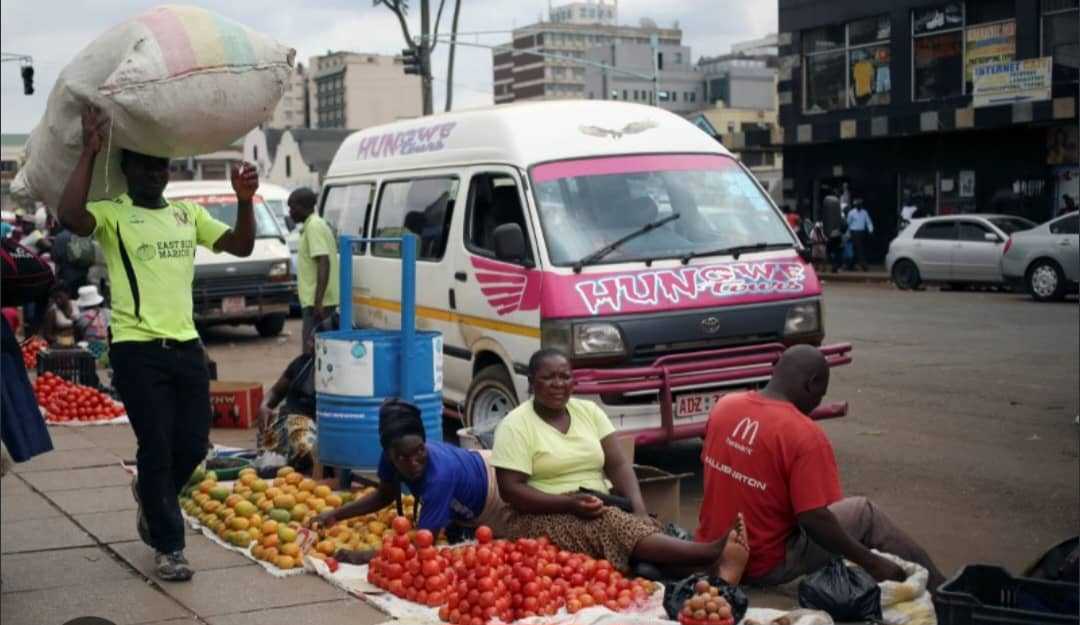
Nyangaire said informal markets continue to dominate daily economic life, often operating in US dollars and parallel exchange rates that undercut formal businesses required to transact at official rates. He warned that stability coinciding with shop closures and shrinking formal employment risks deepening economic dualism rather than resolving it.
Informality and Cost-of-Living Pressures Persist
The informal sector now accounts for an estimated 76 to 87 percent of economic activity, according to ZimStat and labour groups, weakening the transmission of monetary policy and complicating official assessments of price behaviour.
Related Stories
A 2025 report cited by AVN indicates that many civil servants, including teachers and clerks, supplement their incomes through street vending as wages fail to keep pace with living costs. The Zimbabwe Congress of Trade Unions (ZCTU) has accused authorities of relying on inflation data that understates the actual cost of living faced by workers.
Opposition politician and former Mt Pleasant MP Fadzayi Mahere echoed these concerns, pointing to low public sector wages, widespread food poverty and rising taxation.
She said official claims of progress were disconnected from realities on the ground, noting that teachers earn about US$270 per month and junior doctors around US$329, while nearly half of Zimbabweans live in extreme poverty.
Another analyst, Adonis Chiruka, highlighted the disconnect between falling inflation and persistently high interest rates, which currently stand at around 30 percent.
“With inflation at 4.1 percent and interest rates still extremely high, borrowing remains prohibitively expensive,” Chiruka said.
“That level of liquidity tightness freezes capital allocation and limits business expansion.”
Business Community Sees Progress, but Calls for Caution
The Zimbabwe National Chamber of Commerce (ZNCC) acknowledged the achievement, describing January’s figures as a genuine inflection point supported by measurable macroeconomic improvements, including economic growth estimated at 6.6 percent in 2025 and strong foreign currency inflows.
According to ZNCC, foreign currency receipts rose to US$16.2 billion in 2025, driven mainly by exports, diaspora remittances and loans. The chamber also noted a narrowing of the parallel market premium to about 20 percent, a sign of improving exchange-rate alignment.
However, ZNCC stressed that stability remains vulnerable to policy fatigue, weak confidence and the economy’s heavy reliance on foreign currency, with an estimated 80 percent of transactions still conducted in US dollars.
A Foundation, Not a Finish Line
While authorities argue that price stability is a necessary foundation for long-term recovery, many analysts agree it is insufficient on its own. Without rising real incomes, affordable credit, stronger consumer demand and reforms that support small businesses, the benefits of low inflation may remain largely theoretical.
For vendors, workers and consumers, the real test will be whether stability leads to sustained growth, job creation and improved purchasing power.
As Nyangaire put it, “The goal cannot be a stable statistic. It must be a thriving marketplace.”







Leave Comments