





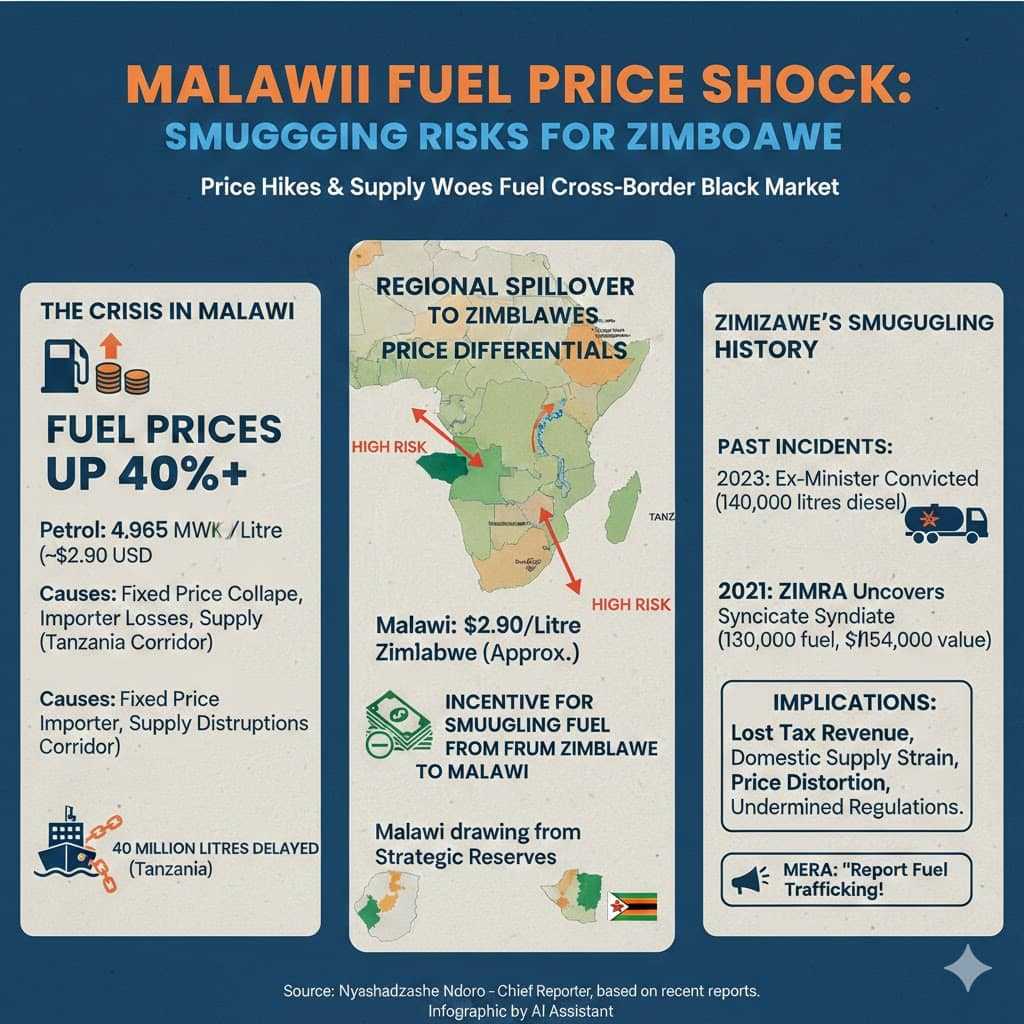
Malawi’s decision to raise fuel prices by more than 40% is expected to heighten the risk of cross-border fuel smuggling in the region, with Zimbabwe likely to feel the spillover effects due to price differentials, past trafficking patterns, and existing supply linkages.
This week, the Malawi Energy Regulatory Authority approved sharp increases in pump prices, pushing petrol to 4,965 kwacha per litre and diesel to 4,945 kwacha per litre, equivalent to about US$2.90 per litre at the official exchange rate.
The regulator said the move followed the collapse of a fixed pricing regime that had led to fuel shortages, losses for importers, and smuggling-driven arbitrage.
The price hike comes amid supply disruptions along Malawi’s main fuel corridor through Tanzania, where post-election violence delayed shipments.
Authorities confirmed that tens of millions of litres of fuel were held up at Tanzanian ports, forcing Malawi to secure alternative supplies through Mozambique and Zimbabwe, including withdrawals from storage facilities in Harare.
While the emergency sourcing has helped stabilise availability in Malawi, the combination of high Malawian pump prices and relatively lower fuel prices in Zimbabwe creates strong incentives for illegal cross-border trade, particularly along porous border points.
Related Stories
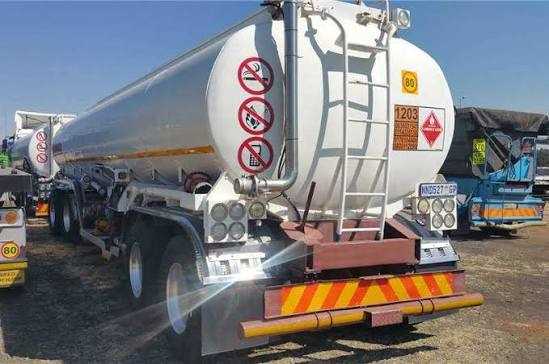
Zimbabwe has a documented history of fuel smuggling linked to price and tax differentials. In 2023, former deputy finance minister Terence Mukupe was convicted, alongside three accomplices, for smuggling nearly 140,000 litres of diesel into Zimbabwe without paying duty. The tanker was intercepted at the Chirundu Border Post, highlighting vulnerabilities in fuel transit monitoring.
In a separate case in 2021, the Zimbabwe Revenue Authority (Zimra) uncovered an organised fuel trafficking syndicate involving three haulage trucks that had smuggled more than 130,000 litres of fuel into the country, valued at about US$154,000 at the time.
Authorities say Malawi’s current situation could reverse traditional smuggling flows.
“The artificial pricing of petroleum products created arbitrage opportunities for smugglers, resulting in the country losing its scarce foreign exchange resources by subsidising foreign product demands and depleting important national Strategic Fuel Reserves (SFRs),” MERA noted.
Instead of fuel being smuggled into Zimbabwe, higher prices north of the border may encourage the diversion of fuel from Zimbabwe into Malawi, especially if enforcement remains uneven and regional demand pressures persist.
Fuel smuggling has broader implications beyond lost tax revenue. It can strain domestic fuel availability, distort pricing, and undermine regulatory systems. For Zimbabwe, increased diversion risks could place pressure on local supplies, particularly if Malawi continues drawing fuel from Zimbabwean storage facilities while regional import routes remain unstable.
MERA has already warned that price gaps and artificial controls previously encouraged illegal trade, while urging the public to report fuel trafficking.







Leave Comments