





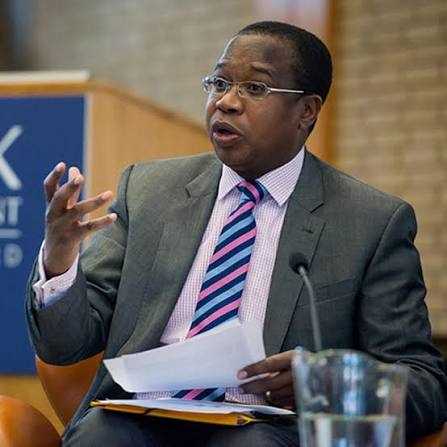
Finance Minister Mthuli Ncube has withdrawn the proposed foreign currency cash withdrawal tax following intense resistance from lawmakers and the public, conceding that the measure risked doing more harm than good.
The reversal came during a lengthy parliamentary sitting that stretched into the early hours of Wednesday, as debate on the Finance Bill for the 2026 National Budget exposed broad opposition to the levy.
The tax, first announced during the national budget presentation on 27 November 2025, had drawn sharp criticism from stakeholders who warned it would deepen financial exclusion and accelerate the shift towards informal cash-based transactions.
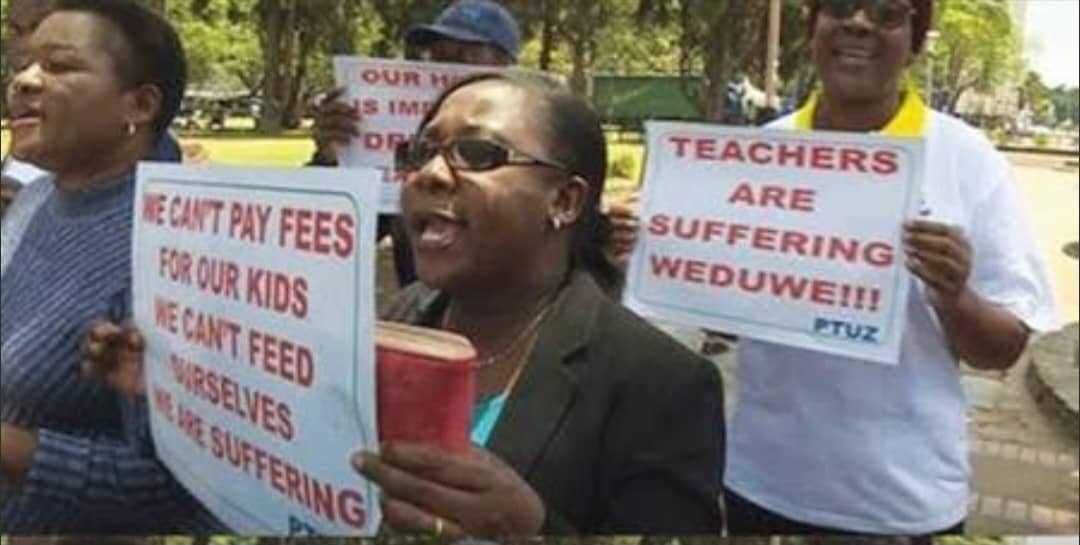
Opponents argued that the levy would disproportionately affect low-income earners and civil servants who rely heavily on cash withdrawals for everyday expenses, while discouraging the use of formal banking channels.
Although Treasury had framed the tax as a tool to curb money laundering and promote electronic payments, MPs rejected the proposal, warning it would effectively penalise ordinary citizens rather than target illicit financial flows.
During the debate, Ncube acknowledged the concerns, admitting the levy could become a deterrent to formal banking.
Related Stories
“I have listened closely to the debate from members and the public regarding the cash withdrawal levy proposals,” Ncube said.
“Therefore, I hereby propose that we repeal that whole Clause 7.”
Clause 7 of the Finance Bill, which contained the proposed tax, was subsequently removed in its entirety.
Under the scrapped proposal, individuals would have paid a 2% charge on monthly foreign currency withdrawals between US$501 and US$1,000, rising to 3% for amounts above US$1,001.
Companies were set to face similar charges on withdrawals exceeding US$5,000, with higher rates for larger sums.
Withdrawals below US$500 for individuals would have remained tax-free.









Leave Comments