






Dr Li Jie
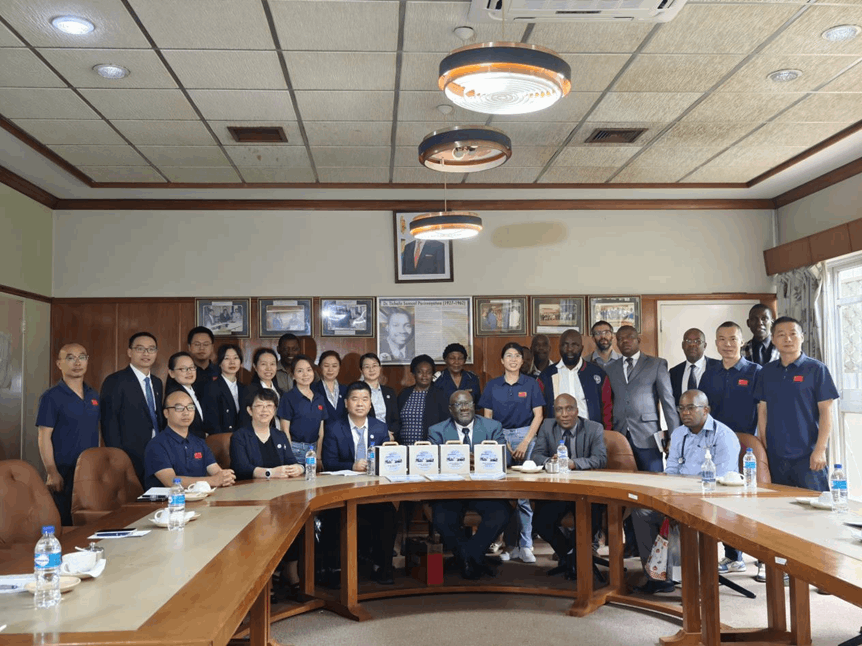
A high-level medical delegation from Hunan Provincial People’s Hospital in China has concluded a five-day collaborative visit to Parirenyatwa Group of Hospitals in Harare, marking a new phase in institutional cooperation focused on strengthening respiratory and critical care services through knowledge exchange, clinical training, and technology transfer.
Watch video: https://youtu.be/UKxonfAmOz0
The visit, which ran from January 11 to 16, brought together senior specialists in respiratory medicine, emergency care, hospital administration, and nursing management. The multidisciplinary team worked alongside Zimbabwean counterparts in joint ward rounds, clinical case discussions, technical workshops, and strategic planning sessions aimed at strengthening both frontline care and hospital systems.
The exchange forms part of the paired hospital cooperation framework between Hunan Provincial People’s Hospital and Parirenyatwa Hospital, under which a dedicated Respiratory and Critical Care Unit, known as C2 Ward, was established with Chinese technical support. The delegation assessed the unit’s progress while identifying opportunities to expand its clinical capacity and training reach.

A major milestone of the visit was the official launch of the China–Zimbabwe First Responder Training Center, which will provide standardized emergency response training for healthcare workers. The center is designed to strengthen early intervention skills across emergency, trauma, and critical care services, improving patient outcomes from the point of first contact.
During the program, Chinese and Zimbabwean clinicians conducted interactive ward rounds and in-depth consultations on complex respiratory and critical care cases. Specialized workshops were held on ventilator management, advanced airway techniques, and critical care nursing, alongside hospital management exchanges focused on clinical governance, nursing leadership, and operational systems.
Related Stories
The delegation also conducted real-time academic lectures and case consultations through the China–Zimbabwe Remote Medical Center, using telemedicine platforms to support continuous professional development and cross-border clinical collaboration.
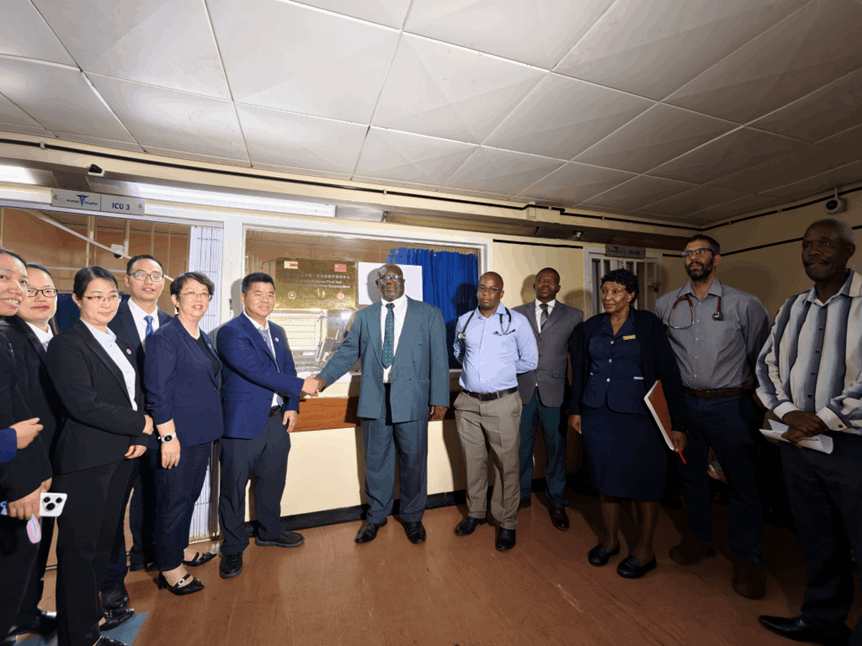
The cooperation model is built around long-term capacity development rather than short-term intervention. Zimbabwean doctors and nurses received hands-on training on advanced equipment and updated treatment protocols, strengthening immediate patient care for respiratory failure, severe infections, and critical illness. Hospital management teams exchanged best practices on clinical workflows, quality control, and multidisciplinary coordination.
A doctor from the C2 Ward said the partnership was reshaping the hospital’s approach to managing severe respiratory conditions through practical training, clinical mentorship, and access to international expertise.
The hospital pairing initiative is a key pillar of China–Africa health cooperation, reflecting a shift from traditional medical assistance to a partnership model centered on technology transfer, skills development, and institutional strengthening. The objective is to build resilient, self-sustaining healthcare systems capable of delivering high-quality specialized care.
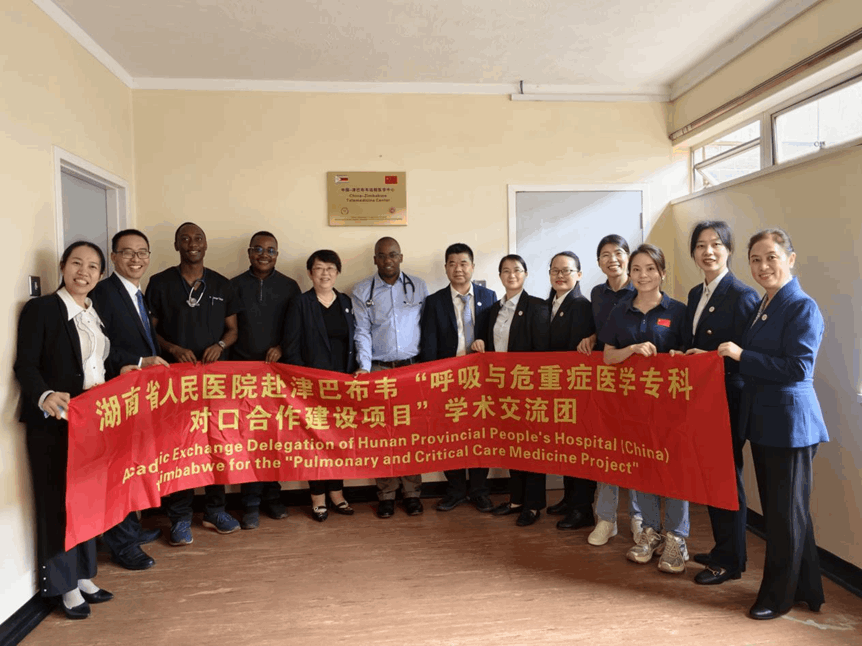
Looking ahead, both hospitals plan to deepen cooperation through regular virtual exchanges, targeted specialist visits, and joint clinical research, strengthening professional networks and advancing respiratory and critical care medicine in Zimbabwe.
As China and Zimbabwe expand people-to-people engagement under the new cooperation framework, partnerships between hospitals, clinicians, and health systems are increasingly defining what modern international medical collaboration looks like in 2026.
Dr. Li Jie from The 22nd China Medical Team, Deputy Chief Physician of the Department of Respiratory and Critical Care Medicine, Hunan Provincial People's Hospital






Leave Comments