





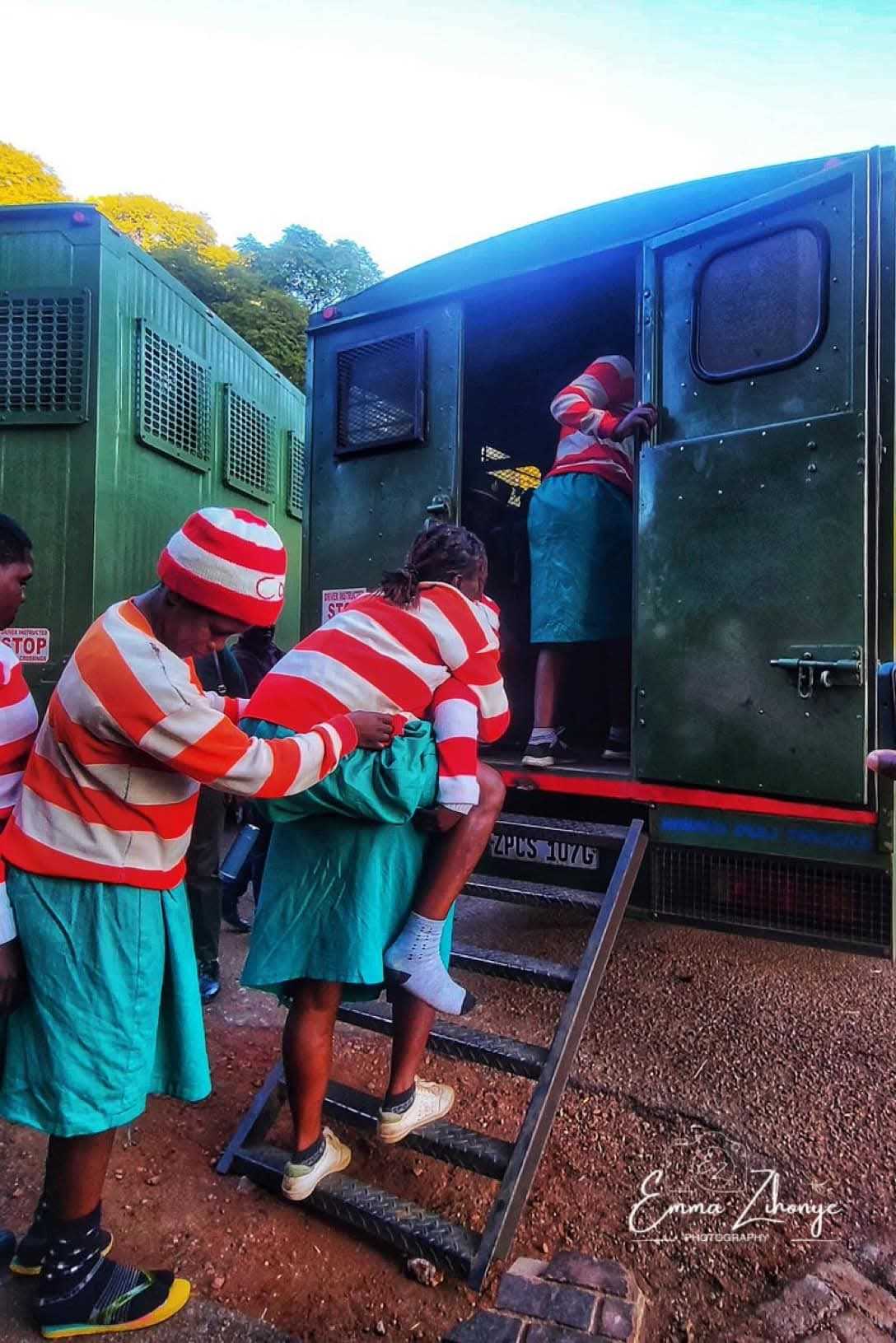
The Cabinet has approved the 2026 General Amnesty, paving the way for President Emmerson D. Mnangagwa to exercise his constitutional powers of mercy and grant pardons to eligible prisoners as part of efforts to promote rehabilitation and reintegration into society.
The decision was announced during a post-Cabinet briefing chaired by President Mnangagwa on February 10, where the government outlined the scope and objectives of the amnesty. The General Amnesty was proposed by the Minister of Justice, Legal and Parliamentary Affairs and is expected to significantly reduce the prison population across the country.
According to the Cabinet, the Presidential Clemency is aligned with the mandate of the Zimbabwe Prisons and Correctional Service (ZPCS), which focuses on the rehabilitation and reintegration of offenders. The amnesty will come into effect before the full implementation of the Parole System.
Related Stories
“Inmates who have demonstrated good behaviour and readiness to be reintegrated into society will benefit through the 2026 General Amnesty,” Cabinet said. “The Presidential Clemency will decongest the prison population for a healthy and secure environment for the remaining prisoners.”
Under the amnesty, several categories of inmates will benefit, including all convicted female prisoners, juveniles, prisoners serving effective sentences of 48 months or less, terminally ill inmates, prisoners at open prisons, those aged 60 years and above, inmates with disabilities, and prisoners serving life sentences who have completed at least 20 years. In addition, prisoners sentenced to more than 48 months will receive an extra one-quarter remission of their effective term of imprisonment.
However, the government made it clear that not all prisoners will qualify for the amnesty. Those previously released under an earlier amnesty, individuals convicted by a Court Martial, escapees from lawful custody, and inmates convicted of serious specified offences will be excluded.
The excluded offences include murder, treason, rape and other sexual offences, carjacking, robbery, armed robbery, public violence, human trafficking, unlawful possession of a firearm, and violations of laws such as the Electricity Act, the Postal and Telecommunications Act, the Public Order and Security Act or Maintenance of Peace and Order Act, the Railway Act, and the Copper Act.







Leave Comments