





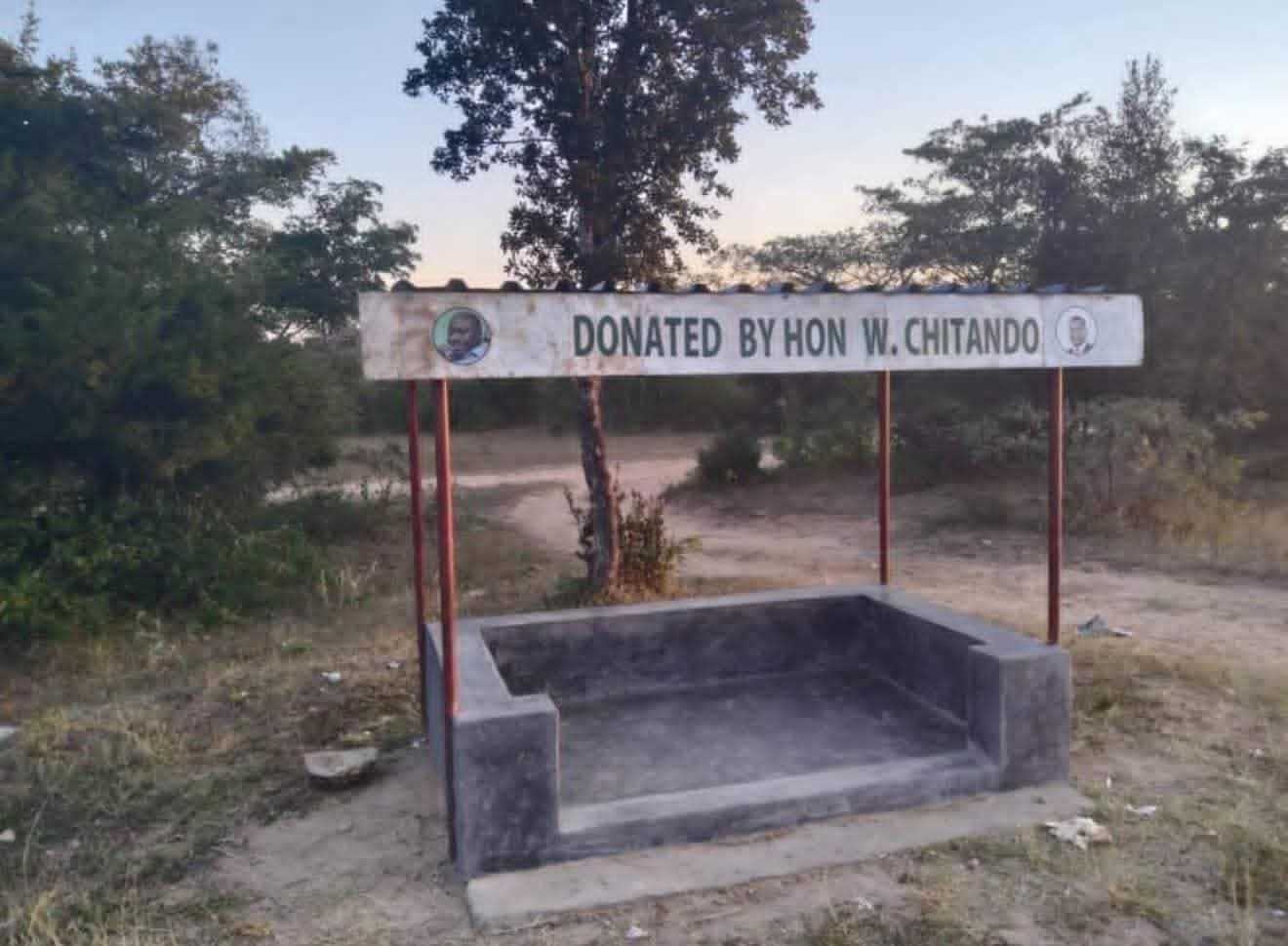
ZimNow Analysis Desk
The dismissal of Winston Chitando from the Mines Ministry has revived long-standing debates about corruption, performance, political alignment, and the complex power geography within ZANU-PF.
Although the official communication simply announced his replacement by Polite Kambamura, the subtext is heavier than the press statement suggests. Chitando becomes one of the few ministers in this administration to be publicly removed from a portfolio he once dominated, and this is the second time President Mnangagwa has shifted him away from direct control of the mining sector.
The first restructuring was softened by a transfer to another ministry. No such cushioning has been announced this time.
Chitando’s tenure has always drawn mixed reviews. On one hand, he presided over a period of heightened investment interest, particularly from Chinese and Australian entities, and he was central to the framing of Zimbabwe’s ambition to become a US$12 billion mining economy.
On the other hand, the period was marked by a series of unresolved structural issues, including delays in implementing mining cadastre transparency, policy inconsistencies that discouraged some investors, persistent clashes between ministries over licensing processes, and the recurring public complaints from small-scale miners who felt excluded from formalization pathways.
The failure to decisively address leakages in gold, lithium, and chrome, coupled with continuing disputes between communities and mining companies over environmental and relocation matters, created an impression of a ministry that struggled to assert control over its own sector.
Related Stories
Whether this was Chitando’s personal inability or the product of broader institutional constraints is open to interpretation, but inefficiency became an unavoidable part of the conversation.
Politics, however, provides the sharper lens. Chitando hails from Masvingo, a province that shares ethnic and historical ties with the president. Yet despite the symbolic strength of those links, Masvingo has never been the most enthusiastic engine of the ED 2030 project.
The province makes the expected public affirmations, but the grassroots mobilization and political muscle have remained comparatively muted. Mashonaland West, by contrast, has emerged as the beating heart of the 2030 agenda. It is home to a cluster of high-profile loyalists who have driven the third-term narrative with far more vigor, including Ziyambi Ziyambi, Mary Mliswa, Temba Mliswa, and Kambamura himself.
The elevation of a Mash West figure into such a strategic ministry therefore carries implications that extend beyond administrative reshuffling. The mining sector is both a revenue hub and a political resource in itself, and placing it under a son of Mash West at a time when the faction’s influence is rising invites speculation about consolidation and loyalty mapping ahead of internal party battles.
Kambamura’s ascent can also be read through the prism of succession anxieties and power balancing. He has long been considered a dependable operative whose political instincts align closely with the president’s current inner circle. His appointment may signal a tightening of control over a ministry that is central to state and individual revenue, foreign investor management, and the strategic allocation of economic opportunities.
It may also reflect a desire to ensure that the ministry becomes an active contributor to the political messaging architecture that is already being shaped by key Mash West actors. The ministry’s new leadership arrives at a moment where lithium and gold controversies continue to shape public debate, where the state is under pressure to show tangible results from its investment courtship, and where control of mining narratives has become a strategic national tool.
For Chitando, the move marks a significant political cooling. Ministers rarely survive a second removal from the same portfolio with their influence intact, and the manner of his exit suggests a loss of presidential confidence. Whether this opens space for new alliances in Masvingo or deepens the province’s perceived distance from the ED 2030 machine will become clear in the coming months.







Leave Comments