







Parliament of Zimbabwe’s Portfolio Committee on Budget, Finance and Investment Promotion has convened in Bulawayo to interrogate the performance of National Development Strategy 1 amid growing pressure to ensure its successor, National Development Strategy 2, does not repeat unresolved structural weaknesses.
The workshop follows the official launch of NDS2 in November 2025 and the formal conclusion of NDS1 at the end of the year. While government officials have presented NDS1 as broadly successful, legislators are expected to probe whether headline macroeconomic gains translated into durable structural transformation.
Deputy Chief Secretary in the Office of the President and Cabinet, Willard Manungo, outlined achievements under NDS1 (2021–2025), including average GDP growth of 5.6 percent, the introduction of the Zimbabwe Gold currency in 2024, foreign currency reserves exceeding US$1.2 billion, maize and wheat self-sufficiency, record tobacco output, and improved manufacturing capacity utilisation.
Related Stories
However, analysts note that GDP growth during the period was partly commodity-driven and vulnerable to external price cycles, while currency stability remains contingent on sustained fiscal discipline and adequate reserve backing. Questions also persist over the depth of industrial diversification, the quality of employment creation, and the sustainability of agricultural output in the face of climate volatility.
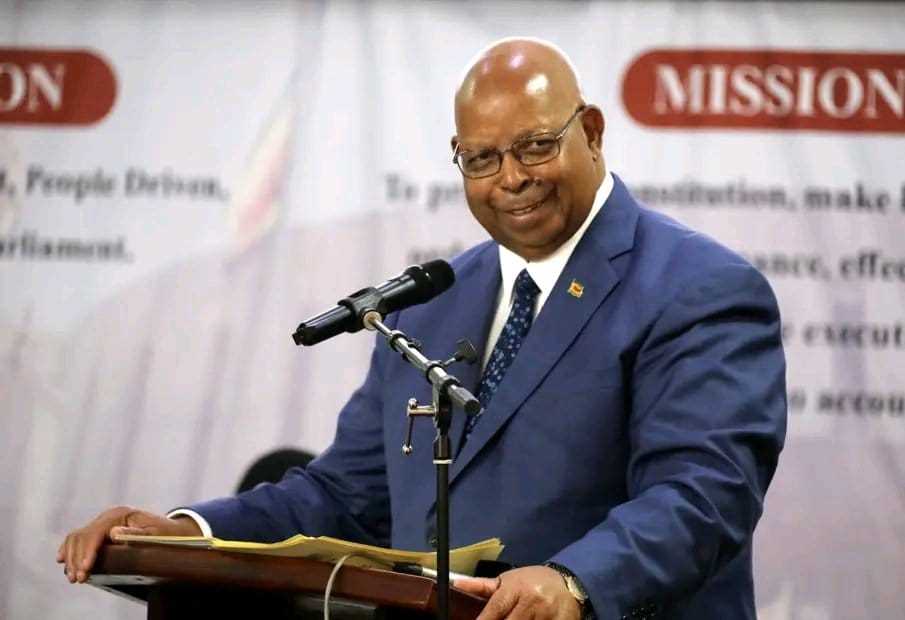
Speaker of Parliament Jacob Mudenda acknowledged the implementation gap, calling for rigorous Integrated Results-Based Management and mandatory quarterly reporting to Parliament under NDS2.
Mudenda stressed that governance, institutional integrity, and peace and security must underpin the ten strategic pillars of NDS2, warning that performance without accountability would undermine long-term national development targets.
He emphasised anti-corruption enforcement, debt resolution, domestic resource mobilisation, value addition in the minerals sector, and rural industrialisation — areas where implementation bottlenecks under NDS1 were frequently cited.
The Bulawayo workshop signals an attempt by Parliament to assert stronger oversight over development planning, amid recognition that achieving upper-middle-income status will require measurable productivity gains, policy coherence and disciplined execution, rather than macroeconomic stabilisation alone.








Leave Comments