









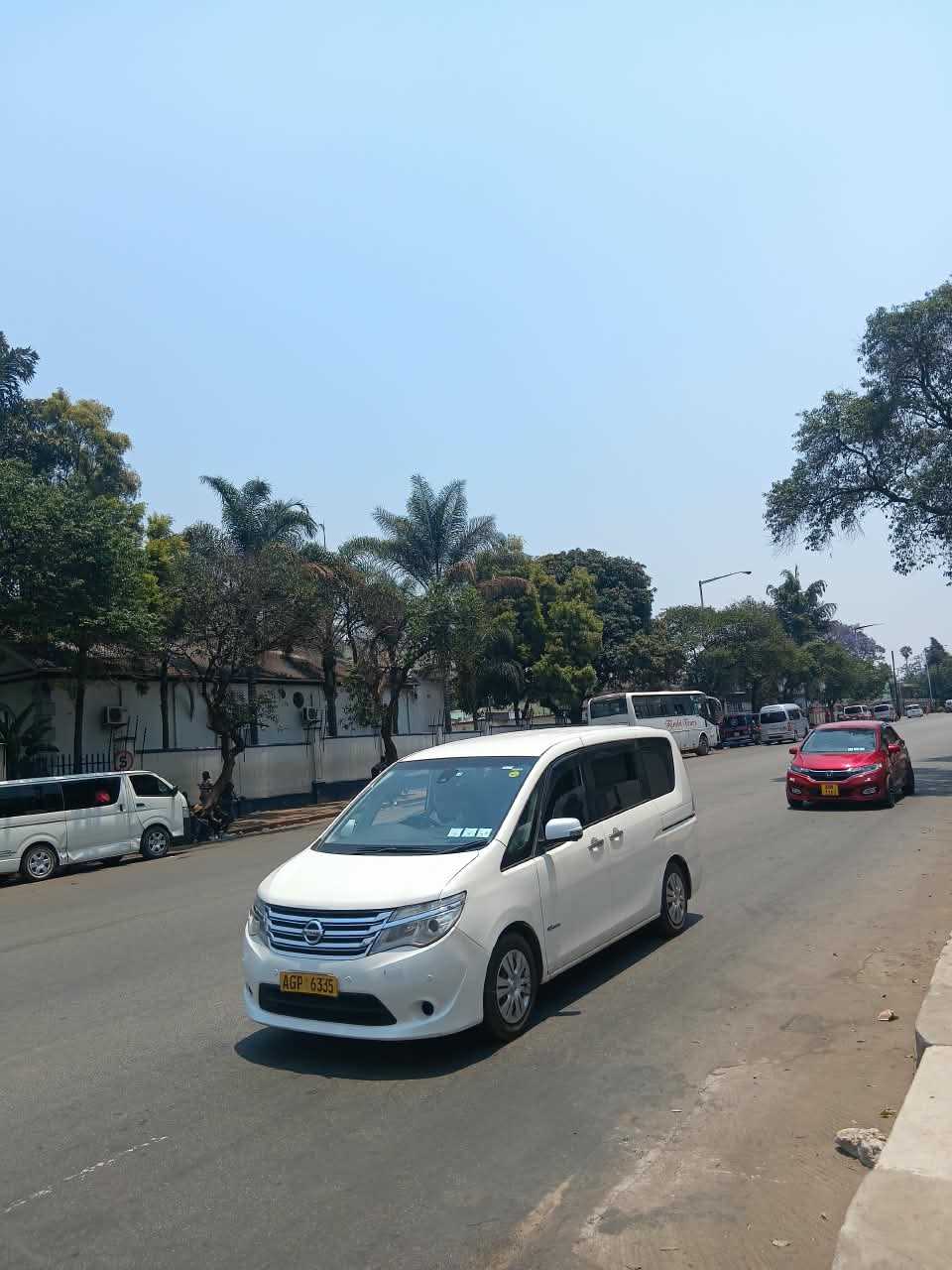
Zimbabwe’s electronic traffic management system is facing questions over its legal foundation, with constitutional lawyer and advocate Fadzai Mahere challenging how automated technology identifies alleged traffic offences and whether motorists have adequate legal recourse to contest fines.
The concerns come after the full operational rollout of the system over the weekend, with motorists reporting multiple traffic violation notifications linked to their vehicles.
Mahere questioned whether the system has a clear legal framework governing its operation, including how a machine establishes reasonable suspicion that an offence has been committed and whether the police can delegate their constitutional responsibilities to technology.
“What’s the legal basis of this new system? How does the machine formulate a reasonable suspicion that an offence has been committed as required by law? Can the police outsource their constitutional obligation to police crime to a machine? What legal framework governs its use and operation?” she asked.
She also raised concerns about the procedures available to motorists who dispute the allegations and do not admit guilt.
“If a person challenges the legality of the fine and does not admit guilt, what legal mechanism will be used to oppose the challenge?” she said.
The questions place the spotlight on the legal safeguards governing the use of automated surveillance in traffic enforcement, particularly the process through which recorded incidents are converted into confirmed violations and fines.
Zimbabwe Republic Police spokesperson Commissioner Paul Nyathi has said the system incorporates a validation process in which footage, vehicle registration numbers, dates, times and locations are examined before violations are confirmed.
“When we talk of validation, what do we mean? We mean that the videos are captured, the number plate is captured, and the date, time and place or site where a particular motorist would have violated the traffic regulations or road rules and regulations are recorded,” he said.
The police have said the system is intended to improve road discipline and target motorists who deliberately disregard traffic regulations, rather than penalise law-abiding citizens.
Related Stories
More than 20 sites in Harare have reportedly been connected to the system, which targets offences including driving against oncoming traffic, jumping red traffic lights and disregarding continuous traffic lines.
Motorists suspected of committing violations are expected to receive notifications on their mobile phones, enabling them to access footage of the alleged offences and information about the applicable fines.
However, the rollout has also raised practical concerns among motorists facing multiple notifications.
Phillip Svondo, a commuter omnibus operator on the Harare-Bindura route, said each of his three kombis had accumulated more than 18 alleged violations, while his personal vehicle had four.
He said he was yet to establish the details of the alleged offences but was concerned about the potential financial implications.
Meanwhile, some motorists have welcomed the system, arguing that automated enforcement could discourage reckless driving even in areas where police officers are not physically present.
Felistas Chombo, who said she had received seven alleged violations, described the technology as a potential deterrent to dangerous driving.
“Now people are going to avoid reckless driving, even if there is no police enforcement near you. You will only get your fine ticket over the phone,” she said.
InDrive driver Rutendo Zvangu, who said she had not received any violation notifications, also expressed hope that the system would encourage greater caution on the roads.
The electronic traffic management system is being implemented by the Government through the Zimbabwe Republic Police and its partners, including TelOne, as part of efforts to strengthen traffic enforcement and improve road safety.
The central legal questions raised by Mahere concern the statutory authority for the system, the role of human verification in confirming alleged offences and the procedures available to motorists who wish to challenge fines.






Leave Comments