






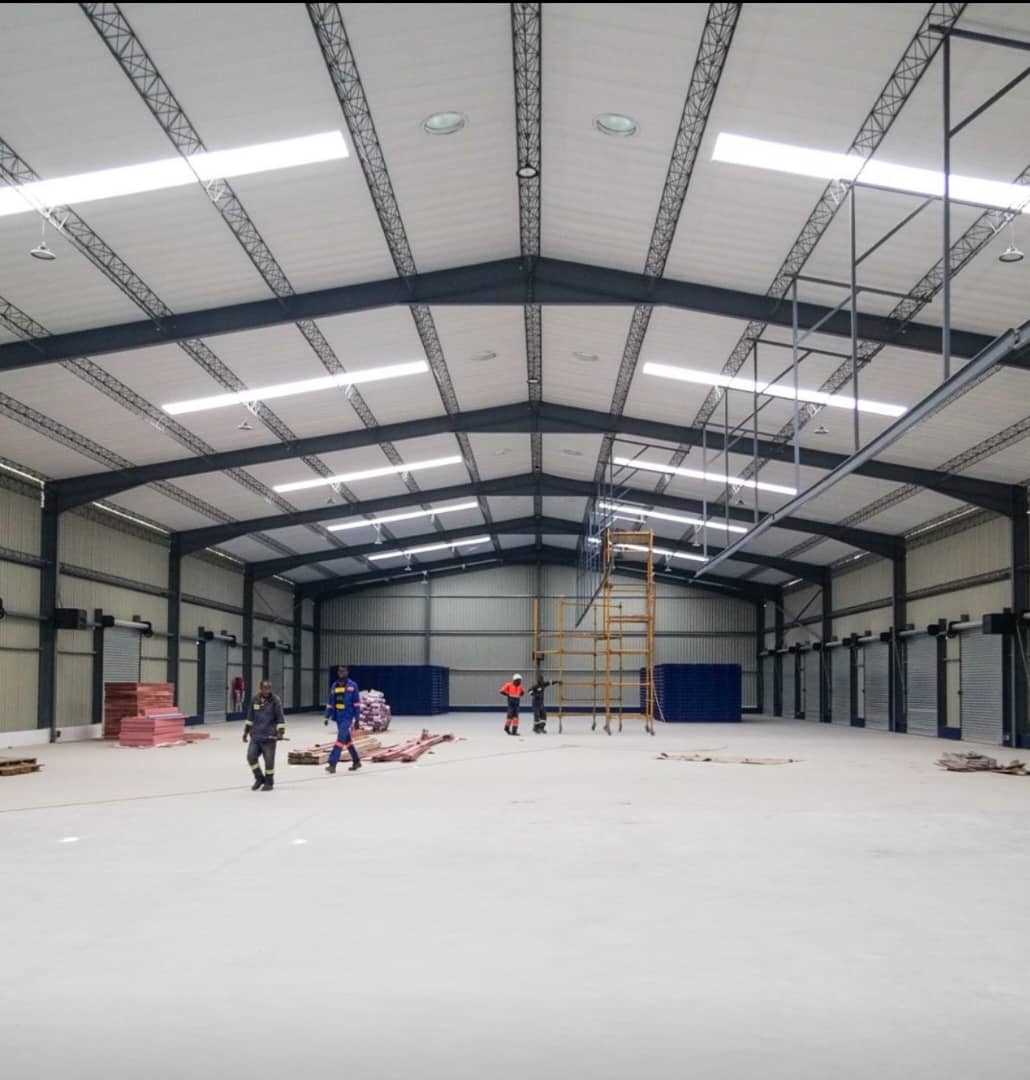
Zimbabwe has committed more than US$250 million towards upgrading hospital infrastructure nationwide by 2030, with about 30 percent of the investment earmarked for maternal and child health as the country seeks to strengthen access to essential services and reduce gaps in reproductive and maternal healthcare.
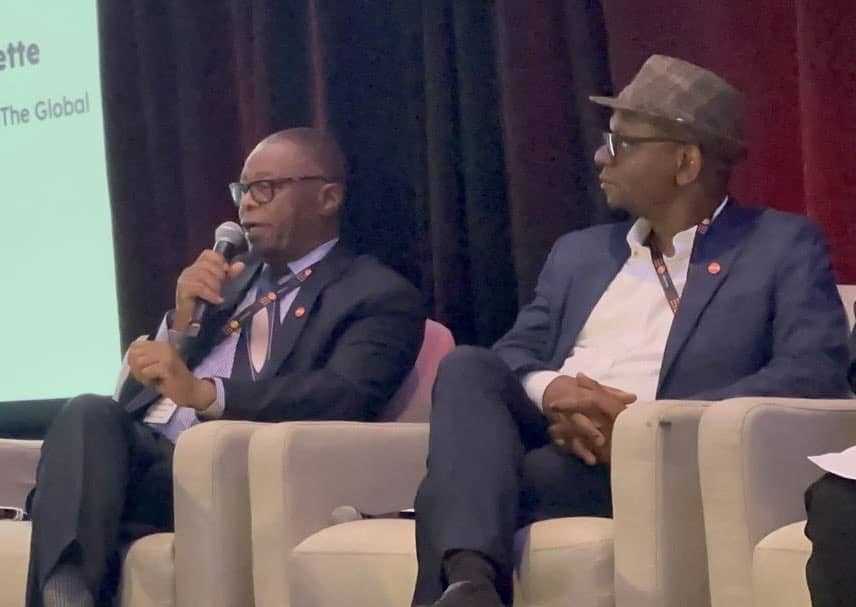
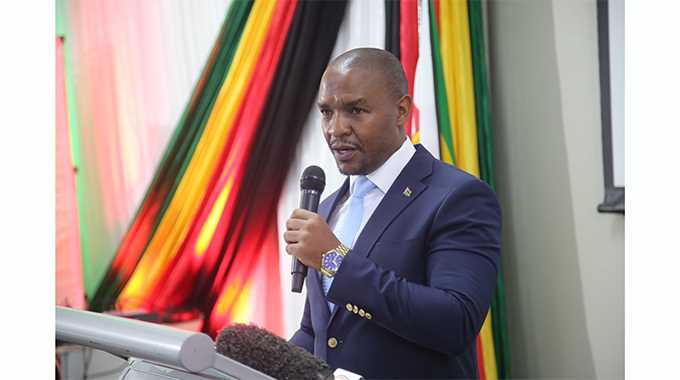
Health and Child Care Minister Douglas Mombeshora announced the commitment while representing President Emmerson Mnangagwa at a high-level event on sustainable financing for sexual and reproductive health and rights during the 81st United Nations General Assembly in New York.
“Zimbabwe is investing over US$250 million towards upgrading national hospital infrastructure by 2030, with 30% dedicated entirely to maternal and child health,” Mombeshora said.
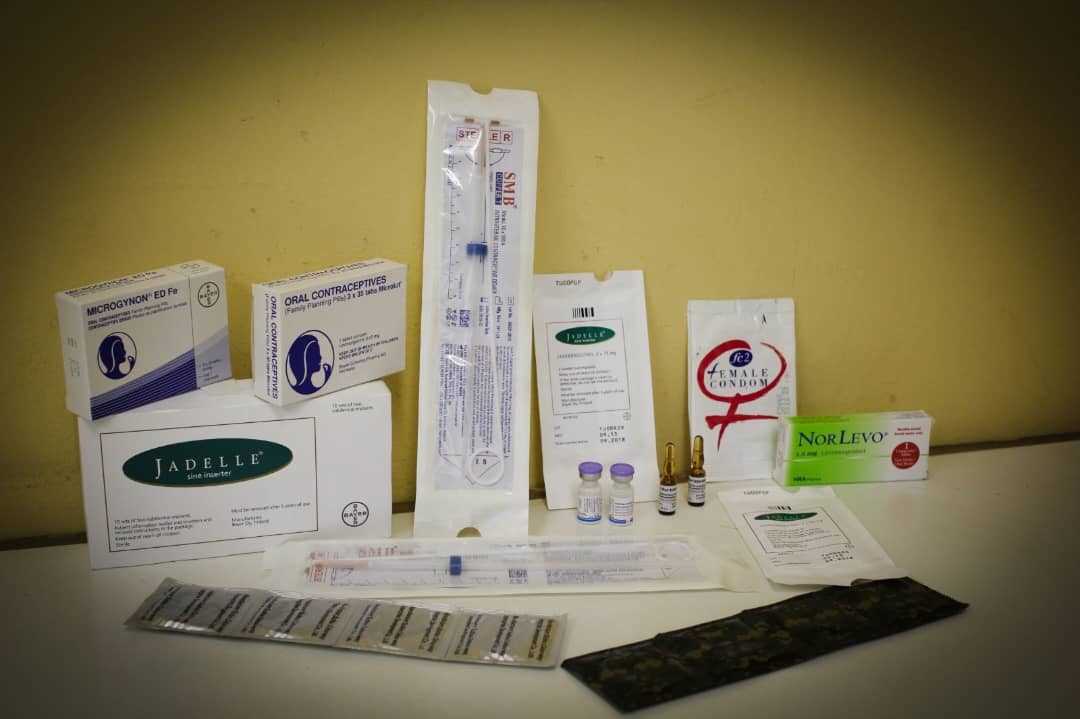
The infrastructure commitment comes alongside Zimbabwe's pledge to provide US$2.25 million annually for family-planning commodities in 2026 and 2027, a commitment first announced at the International Conference on Family Planning in Bogotá in November 2025. UNFPA said Zimbabwe has also procured US$6.3 million worth of contraceptives from domestic resources since 2022.
The combined commitments point to a broader shift towards greater domestic financing of reproductive and maternal health at a time when international assistance for the sector is facing significant pressure. UNFPA said governments and partners announced more than US$715 million in new commitments for reproductive health at the New York event, while Burundi, Madagascar, Mozambique and Zimbabwe together announced more than US$292 million from their own resources for health infrastructure, services and supplies.
Directing nearly a third of the hospital-upgrading programme towards maternal and child health places infrastructure at the centre of efforts to improve reproductive healthcare. The investment is intended to address gaps in health facilities while improving access for women, children and young people, particularly in underserved areas.
Mombeshora said the infrastructure programme was aimed at narrowing the gap between communities and essential health services.
Related Stories
The financing commitments also come against a backdrop in which Zimbabwe has been seeking to maintain the availability of contraceptives through domestic procurement. The additional US$2.25 million a year for 2026 and 2027 was presented by the government as part of efforts to protect access to family planning as external financing patterns change.
At the 2025 family-planning conference, Mombeshora said the government remained committed to reproductive health and linked the additional contraceptive financing to Zimbabwe's 2023 compact with UNFPA.
“Having already procured US$6.3 million worth of contraceptives from domestic resources since 2022, this new pledge ensures that we continue to safeguard the reproductive health of our communities,” he said.
However, the challenge for Zimbabwe is converting the financial commitments into reliable services at health-facility level. Investment in buildings and equipment does not by itself guarantee access to reproductive healthcare if facilities continue to face shortages of medicines and contraceptives, inadequate staffing, weak referral systems or difficulties reaching remote communities.
UNFPA's latest announcement places particular emphasis on sustainable, country-led financing as traditional sources of development assistance decline. The agency said the new commitments are intended not only to maintain access to lifesaving commodities and services but also to strengthen health systems over the longer term.
The hospital programme gives Zimbabwe an opportunity to align capital investment with the wider reproductive-health financing strategy. The 30 percent allocation for maternal and child health, combined with dedicated funding for family-planning commodities, could strengthen the continuum from preventing unintended pregnancies and supporting healthy pregnancies to providing safe maternal and newborn care.
UNFPA Executive Director Diene Keita said the financing commitments demonstrated the importance of sustained investment in women and girls as countries respond to changing global funding conditions.
“Today's commitments send a powerful message: investing in women and girls is the foundation for a prosperous and equitable future,” Keita said.





Leave Comments