








Zimbabwe's revised Clinical Guidelines on the Care and Management of Survivors of Sexual Violence promise a more coordinated and survivor-centred response to rape and other forms of sexual violence. But for thousands of survivors, the real test will not be the quality of the document launched this week, it will be whether hospitals, police, social workers, lawyers and the courts can work together to ensure survivors receive timely treatment, protection and justice.
The guidelines, launched by the Ministry of Health and Child Care with support from the United Nations Population Fund and the Health Resilience Fund, come as the 2023-24 Zimbabwe Demographic and Health Survey found that 9 percent of women aged 15 to 49 have experienced sexual violence during their lifetime. The figure represents thousands of women and girls, while experts believe the true burden is higher because many cases go unreported due to fear, stigma and intimidation.
Launching the revised guidelines, Health and Child Care Minister Douglas Mombeshora said sexual violence demands more than a criminal justice response.
"Sexual violence remains one of the most painful violations of human dignity. Behind every case is a human story," Mombeshora said.
"A child whose sense of safety has been shattered. A woman trying to rebuild her life. A boy or a man suffering in silence because of stigma and fear. A family searching for support and justice."
He said survivors deserve more than medical treatment.
"When survivors arrive at our health facilities, whether in Harare, Binga, Chipinge, Gokwe or Beitbridge, they deserve more than medical treatment. They deserve to be treated with respect. They deserve confidentiality. They deserve compassion. Above all, they deserve hope."
UNFPA Zimbabwe Representative Miranda Tabifor warned that the success of the new framework will ultimately depend on implementation.
"Guidelines on paper are only as powerful as their implementation on the ground."
She said UNFPA would continue supporting government through health worker training, essential medical commodities and One Stop Centres that integrate medical, legal and psychosocial services for survivors. In 2025 alone, UNFPA-supported One Stop Centres provided direct services to more than 7,000 survivors and reached over 17,000 people through community awareness programmes.
The revised guidelines seek to standardise how survivors are managed across Zimbabwe's health system, ensuring that treatment does not depend on where a person reports an assault.
For survivors, however, the first 72 hours remain the most critical.
Medical experts say this is the window during which survivors should receive HIV Post-Exposure Prophylaxis, emergency contraception where appropriate, treatment for sexually transmitted infections, injury management, counselling and forensic examination that may later support criminal investigations.
The Adult Rape Clinic describes rape as a medical emergency and urges survivors to seek treatment within 72 hours. The clinic provides confidential medical care, counselling, forensic examinations, follow-up treatment and referrals, while emphasising that survivors can receive healthcare even if they are not yet ready to report the assault to police.
Related Stories
The importance of seeking treatment quickly has also been reinforced through UNFPA's national #72Hours campaign, launched in 2024 after partners found that fewer than 35 percent of survivors were accessing lifesaving services within the recommended timeframe.
Yet experts say medical care is only one part of the survivor's journey.
After emergency treatment comes forensic documentation, police reporting, legal processes, psychosocial support and, in some cases, temporary shelter.
The Musasa, one of Zimbabwe's leading organisations supporting survivors of gender-based violence, provides counselling, emergency medical referrals, legal assistance, temporary shelters and a 24-hour toll-free helpline. The organisation also helps rape survivors access PEP within the critical 72-hour period and supports them throughout legal proceedings where necessary.
Legal experts say survivors should not delay seeking medical care while deciding whether to pursue criminal charges.
The Zimbabwe Women's Lawyers Association advises survivors to obtain medical treatment first, noting that healthcare within 72 hours can prevent HIV infection, unwanted pregnancy and other complications before a police report is made. The organisation also stresses that delayed reporting does not erase the crime and survivors remain entitled to pursue justice.
Despite these systems, gaps remain.
A recent parliamentary analysis of Zimbabwe's response to gender-based violence identified limited geographical coverage of One Stop Centres, overstretched survivor services, insufficient training for police and health workers, and weak coordination among institutions as continuing challenges.
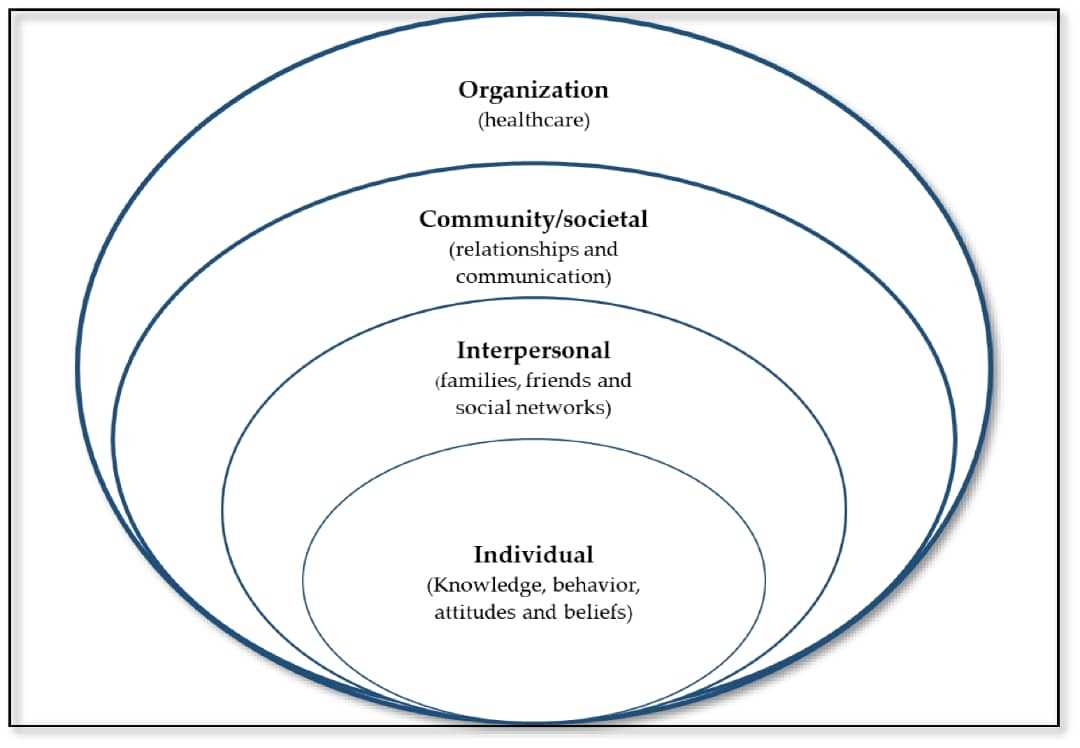
Civil society organisations argue that addressing sexual violence requires more than hospitals and courts.
ActionAid Zimbabwe is expanding its SASA! Together programme in Chipinge, training community champions to challenge harmful social norms that drive violence against women and girls.
Meanwhile, Christian Aid Zimbabwe has been working with faith leaders, arguing that churches are often the first point of contact for survivors and should be equipped to provide safeguarding, referral pathways and psychosocial support.
These initiatives reflect the "whole-of-government and whole-of-society" approach emphasised by Dr Mombeshora, who said effective prevention and survivor care require coordinated action across the health, justice, education, social welfare and law enforcement sectors.
The revised clinical guidelines therefore represent an important policy milestone. But they also expose a larger challenge.
Can every district hospital provide timely PEP and forensic examinations? Are enough nurses and doctors trained to manage sexual violence cases? Can police investigations move quickly enough to preserve evidence? Do survivors in rural districts have the same access to counselling and shelters as those in Harare?
Those questions will determine whether the new guidelines become a practical tool for justice or remain another well-intentioned policy document.









Leave Comments