






Zimbabwe’s tobacco industry is facing an unusual reversal as farmers retreat from the crop just weeks after the country recorded its biggest-ever tobacco harvest, exposing the widening gap between record production and the returns growers are getting from the market.
Only 27,543 farmers had registered for the 2026/27 season by September 18, down 41% from 46,587 at the same stage last year, while seed sales had fallen by 37% to 868,785 grams.
The decline in seed purchases points to a substantially smaller crop ahead. Based on seed sales, the estimated area under tobacco has dropped from 277,680 hectares last season to 173,757 hectares, about 103,923 hectares less.
The figures represent a sharp change from the expansion that characterised Zimbabwe’s tobacco industry over the past several seasons. In the 2026 marketing season, growers sold more than 357 million kg of tobacco, setting a new national record for the second consecutive year. The previous record was about 355 million kg in 2025.
But the production achievement came with a significant deterioration in prices. TIMB’s final 2026 figures show the average price fell to US$2.49 per kg from US$3.32 per kg in 2025, while total sales value dropped by about 24% to US$893.88 million despite the higher volume.
The collapse was most pronounced on the auction floors, where farmers received an average US$1.90 per kg, compared with US$2.55 per kg for contract tobacco. Contract sales accounted for more than 91% of the crop, leaving auction sales with less than 9%.
The industry itself had warned that the record output was coming into a difficult market. Zimbabwe Tobacco Association president Graham Ross described the situation as one of “very mixed feelings on the market and indeed the bottom line”, pointing to a “local, regional and world oversupply situation” weighing on returns to growers.
The oversupply has become a central feature of the 2026 season. TIMB chief executive Emmanuel Matsvaire said, “High volumes naturally introduce market pressures, which negatively affect pricing,” while pointing to increased production in major tobacco-producing countries such as Brazil and India.
The numbers show why the latest registration figures are significant. Farmers produced more tobacco in 2026 than ever before, but the additional output did not translate into higher earnings.
The industry had been moving in the opposite direction only a few years earlier. Zimbabwe marketed about 184 million kg in 2021, 213 million kg in 2022 and 296 million kg in 2023. Production then fell to about 232 million kg in 2024 after the El Niño-induced drought before rebounding to about 355 million kg in 2025.
The value of the crop followed a different trajectory. In 2023, Zimbabwe sold 296.1 million kg for about US$897 million at an average US$3.03 per kg. In 2024, volumes fell by almost 22% to 231.7 million kg, but the average price improved to US$3.43 per kg, generating about US$793.9 million.
Related Stories
The 2025 season then produced the major volume rebound, with TIMB recording about 350 million kg sold for US$1.16 billion.
That growth encouraged further expansion going into 2026. The Government had initially set a target of about 400 million kg, with favourable weather and increased planted area expected to support the increase. The crop ultimately stopped well short of that target at more than 357 million kg.
The problem emerging now is therefore not Zimbabwe’s ability to grow tobacco. It is whether farmers will continue expanding production when the market pays substantially less for each kilogramme.
Matsvaire also acknowledged that factors other than global oversupply affected the opening stages of the season. He said, “Most merchants only started buying a week after the season opened because they had not concluded their credit facilities with the banks.”
According to Matsvaire, buyer participation subsequently improved, with prices beginning to trend upwards.
The contraction is already visible in the country’s main tobacco-producing provinces. Mashonaland East recorded the largest fall in registered growers, down 57% to 3,649. Manicaland declined 48% to 4,368, Mashonaland Central fell 38% to 9,645, while Mashonaland West dropped 31% to 9,804.
Together, those four provinces account for the overwhelming majority of the growers shown in the latest registration figures, making their declines significant for the national crop outlook.
The current retreat also reverses the expansion recorded during the previous season. By January 2025, TIMB had registered 127,112 growers for the 2024/25 season, up from 115,053 during the comparable period a year earlier.
At that point, higher tobacco prices and access to contract financing were cited, as important factors drawing farmers into the crop.
The industry is now dealing with the opposite price signal. TIMB has attributed the 2026 price decline to increased tobacco supplies in major producing countries, higher carry-over stocks and weaker international demand.
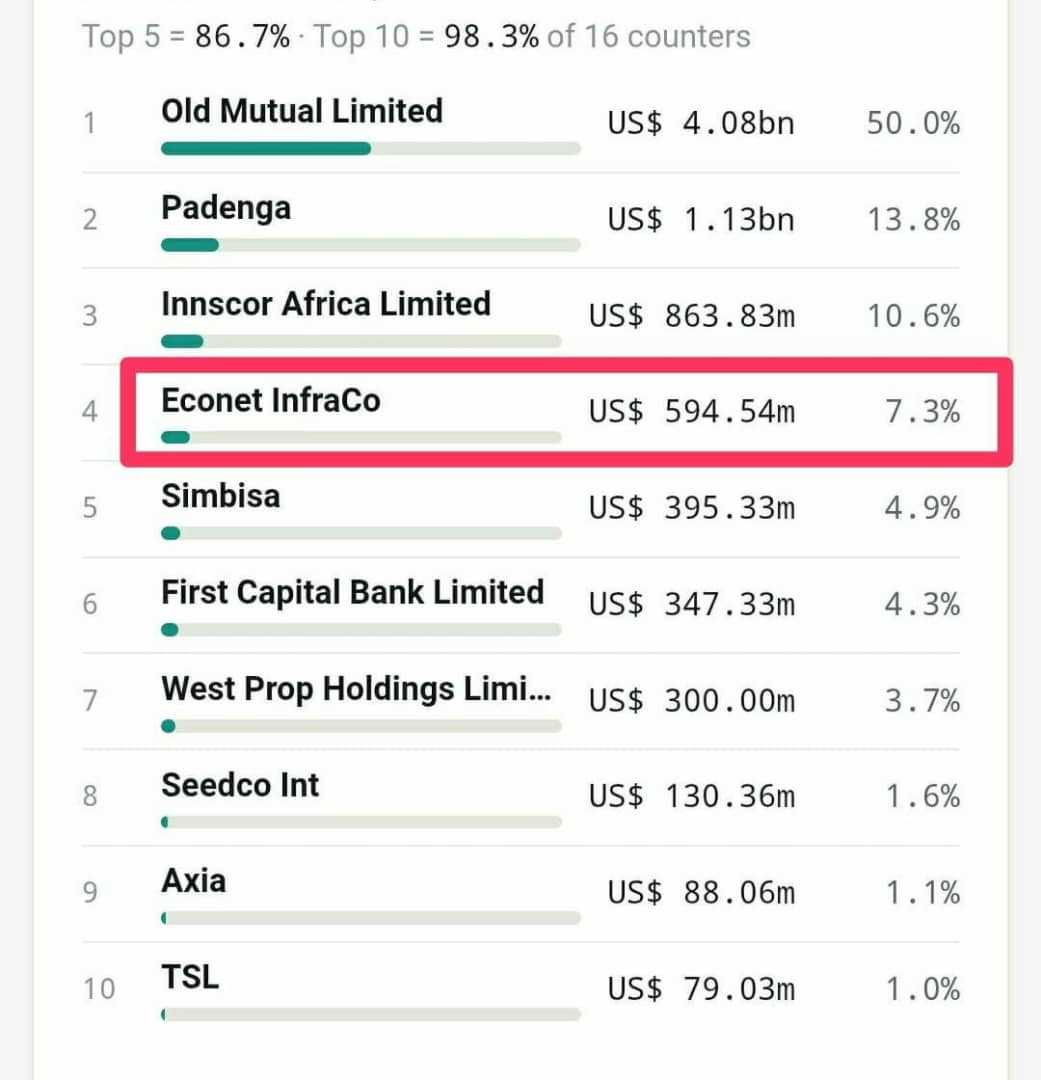
The pressure is being felt beyond the farmers themselves. TSL, a major player in tobacco trading, logistics, and agricultural inputs, reported subdued demand for tobacco seedbed packs ahead of the anticipated Super El Niño, adding a weather concern to the market-price problem.
The timing is important because tobacco production is already highly exposed to climate conditions. The 2023/24 drought reduced marketed tobacco from 296 million kg in 2023 to about 232 million kg in 2024, even though the average price rose from US$3.03 to US$3.43 per kg.







Leave Comments