



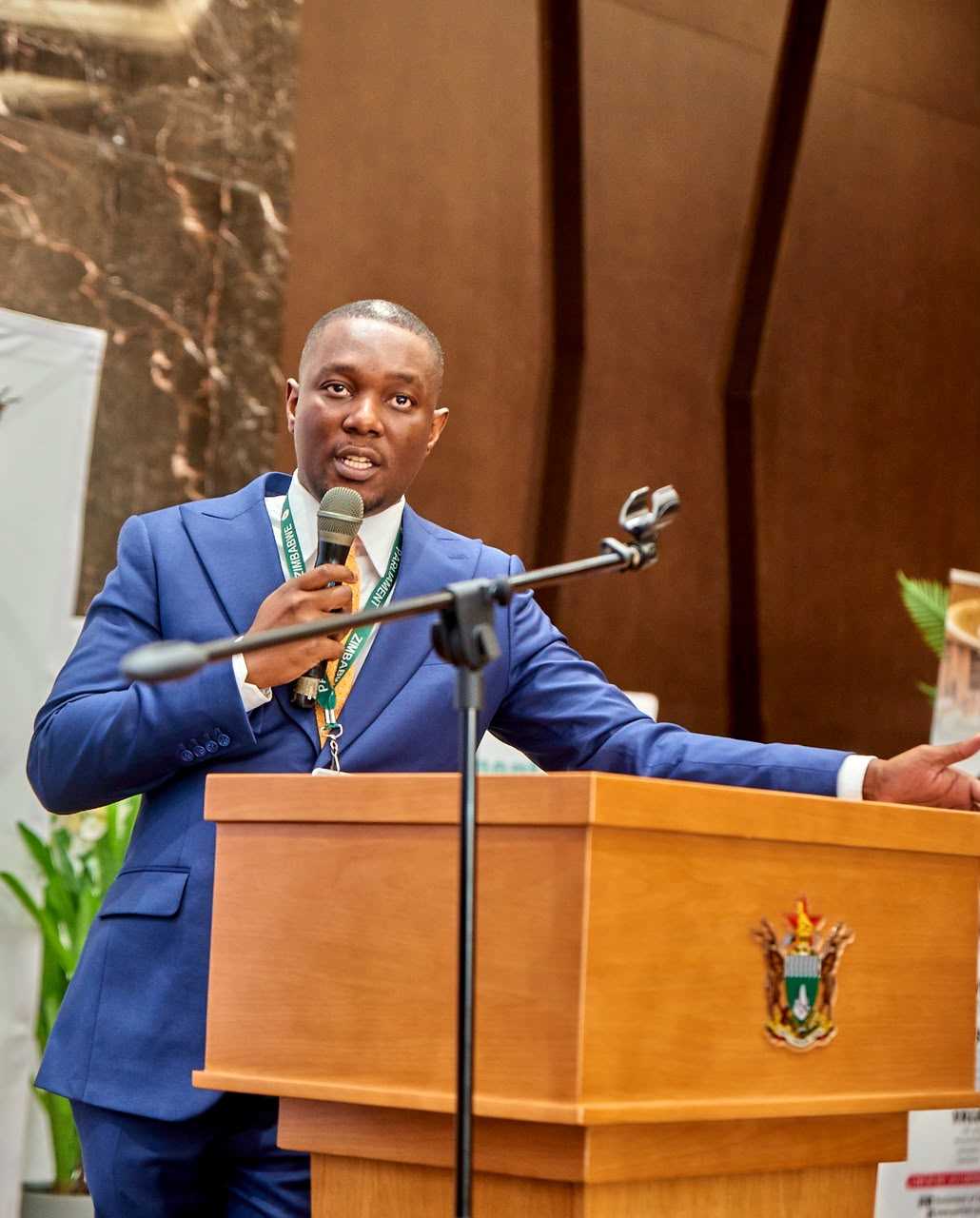
Norton legislator Richard Tsvangirai has criticised the government’s ongoing clean-up campaign in Harare, arguing that the operation has exposed the deep economic inequality facing Zimbabweans and is disproportionately affecting vulnerable people who depend on informal livelihoods.
Tsvangirai said the campaign had highlighted the stark contrast between extreme wealth and the struggles of ordinary citizens trying to survive.
“One thing that the Clean Up Campaign has exposed is just how deep economic inequality has become in our country,” he said.
He cited the case of an elderly woman and war veteran who survives by collecting and selling cardboard, saying people in such circumstances were among those bearing the brunt of the operation.
“She spends her days gathering cardboard, struggling to earn enough to survive,” Tsvangirai said. “These are the vulnerable people that are being targeted by the clean-up in Harare.”
His comments come as the government intensifies the “Chenesa Harare Final” operation being led by Local Government and Public Works Minister Daniel Garwe.
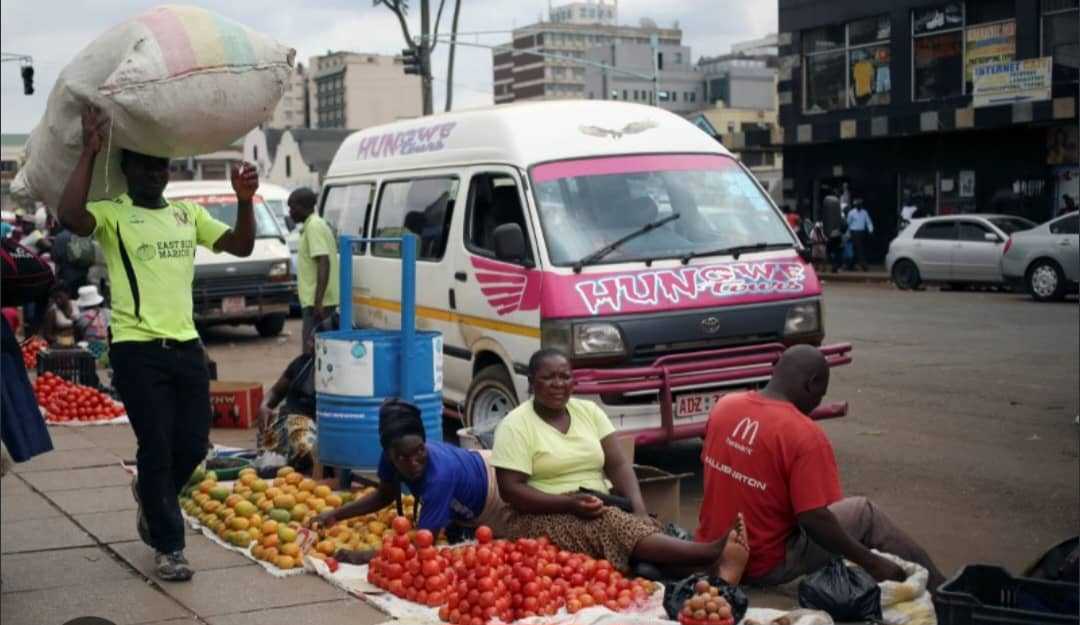
Since the beginning of September, municipal police have been removing illegal stalls and clearing vendors from several parts of the capital, including Avondale, Belgravia and Groombridge.
Official figures indicate that about 52% of Harare’s 17,660 designated vending bays remain unused, with authorities encouraging traders to move into formally designated market areas.
However, Tsvangirai said removing informal traders without providing viable alternatives risked worsening poverty and unemployment.
He also questioned the disparity between the treatment of low-income informal traders and the accumulation of wealth by a small section of society.
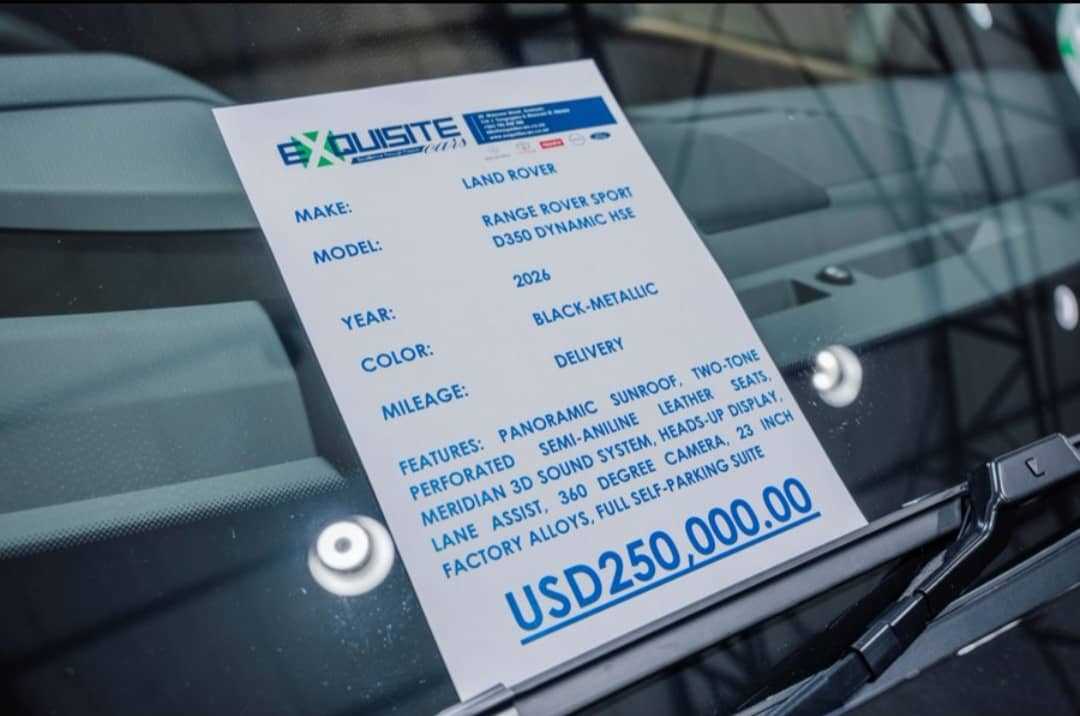
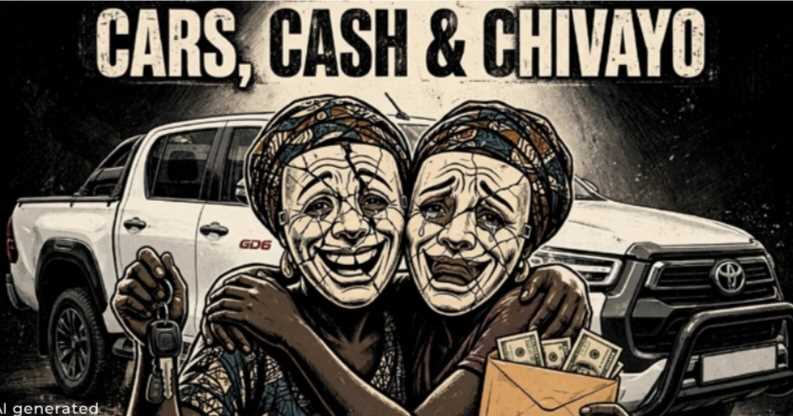
Tsvangirai referred to businessman Wicknell Chivayo, who has attracted public attention over high-value gifts, including Rolls-Royce vehicles reportedly worth between US$650,000 and US$750,000, as well as cash handouts of US$250,000.
Related Stories
Chivayo has previously dismissed questions over the source of his wealth, saying: “My money is not a public referendum.”
Tsvangirai said the contrast between such displays of wealth and the struggles of vulnerable Zimbabweans raised broader questions about inequality.
“It is deeply concerning that in the same country where some individuals are accumulating extraordinary wealth, there are elderly Zimbabweans who cannot afford the most basic necessities and are forced to survive through informal work,” he said.
“Is this really the same Zimbabwe that Chivhayo and others like him live in?”
The Norton MP has previously opposed the government’s crackdown on informal trading, warning earlier this month that removing vendors without a transition plan could deepen unemployment and poverty.
He has instead advocated for the formalisation of the informal economy, calling for designated trading spaces, affordable licensing arrangements, access to finance and stronger links to markets.
Tsvangirai said the debate should not be confined to questions of urban order and cleanliness, but should also consider the economic rights and dignity of citizens.
“We cannot separate human dignity from economic dignity,” he said. “If the Constitution protects the dignity of every person, then our local government policies must also protect people's ability to earn a decent and honest livelihood.
“We need clean cities but we must not create clean streets by creating hungry families. Order and economic dignity must coexist.”
Zimbabwe continues to face significant income inequality. According to the 2025 Commitment to Reducing Inequality (CRI) Index, the country ranks 160th out of 164 countries, with a Gini coefficient above 0.6.
John Maketo, director of the Zimbabwe Coalition on Debt and Development (Zimcodd), has said the richest 10% of Zimbabweans receive more than half of national income, while the poorest 50% account for about 12%.
Informal employment has also become dominant, accounting for 85.5% of total employment, as formal employment opportunities have declined.




Leave Comments