








Government is pushing for greater private-sector leadership in the modernisation of Zimbabwe's agricultural sector, with farmers, manufacturers and technology providers expected to work more closely to accelerate the adoption of modern farming technologies.
Agriculture Permanent Secretary Obert Jiri said Government's role was to facilitate the process, while the private sector, farmers and manufacturers should increasingly drive the transformation of agricultural production.
“Our agriculture sector must be transformed, and the way to do that is through modernisation,” Jiri said.
“Modernising means embracing technology, both mechanical technologies and digital technologies. What we want is an interface between these technologies and the farmers themselves.”
Jiri was speaking at the 2026 Zimbabwe Agricultural Show Breakfast Meeting in Harare, held under the theme, “Powering Growth: Where Agriculture, Technology and Commerce Converge.”
He said Government supported platforms that bring farmers and manufacturers together because direct engagement could help connect producers with technologies relevant to their operations.
“The role of government is to ensure that this happens. That is why we support platforms like this, where farmers and manufacturers interact,” Jiri said.
He said Government would also encourage stronger commercial relationships between the three groups as part of efforts to modernise agriculture.
“Beyond this, we will encourage private-sector, farmer and manufacturer interactions to ensure that the transformation is led by the private sector,” Jiri said.
The emphasis places technology at the centre of Government's agricultural modernisation drive, with the approach covering both mechanical equipment and digital technologies.
The strategy is aimed at improving the interface between farmers and technology providers rather than treating technological development and agricultural production as separate activities.
Related Stories
Ministry of Industry and Commerce Director for the Northern Region Dayford Nhema, representing Permanent Secretary Ambassador Tadeous Tafirenyika Chifamba, said industrial policy was also being aligned with the agricultural sector.
Nhema said the National Industrial Development Policy 2 and the Local Content Strategy were supporting local production and economic growth.
He said stronger linkages between agriculture, technology and commerce were necessary to transform agricultural production and create employment.
The approach gives manufacturers a greater role in supplying technologies to farmers, while farmers provide the demand that can influence the products and services developed for the sector.
For Government, the role is increasingly being framed around creating an environment in which those relationships can develop.
Jiri's comments also signal a move towards greater private-sector participation in agricultural modernisation, rather than relying exclusively on Government-led programmes to introduce technology to farmers.
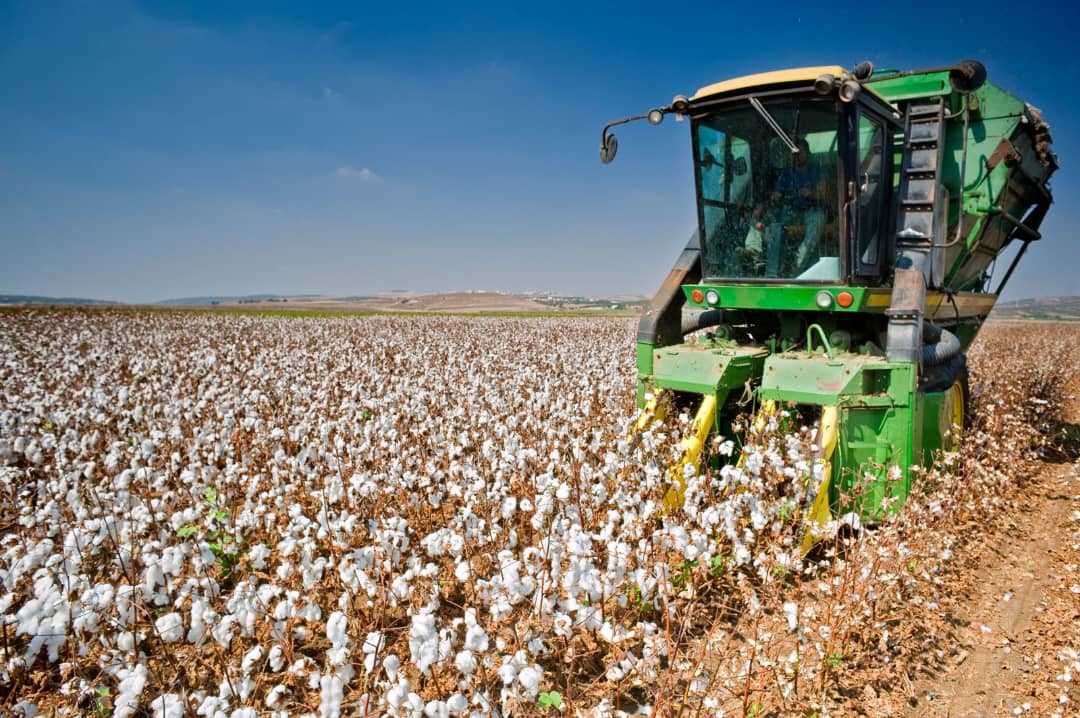
The push comes as Zimbabwe seeks to modernise agricultural production through increased mechanisation and the adoption of digital technologies.
However, technology adoption ultimately depends on whether farmers can access appropriate equipment and services and whether financing, technical support and infrastructure are available to support their use.
The involvement of manufacturers is therefore expected to be important in ensuring that technologies being promoted are suited to the requirements of farmers.
The Zimbabwe Agricultural Show provides a platform for those interactions, bringing farmers, manufacturers and other players in the agricultural and commercial sectors together.
Jiri said the objective was to ensure that these relationships translate into practical transformation at farm level.





Leave Comments