





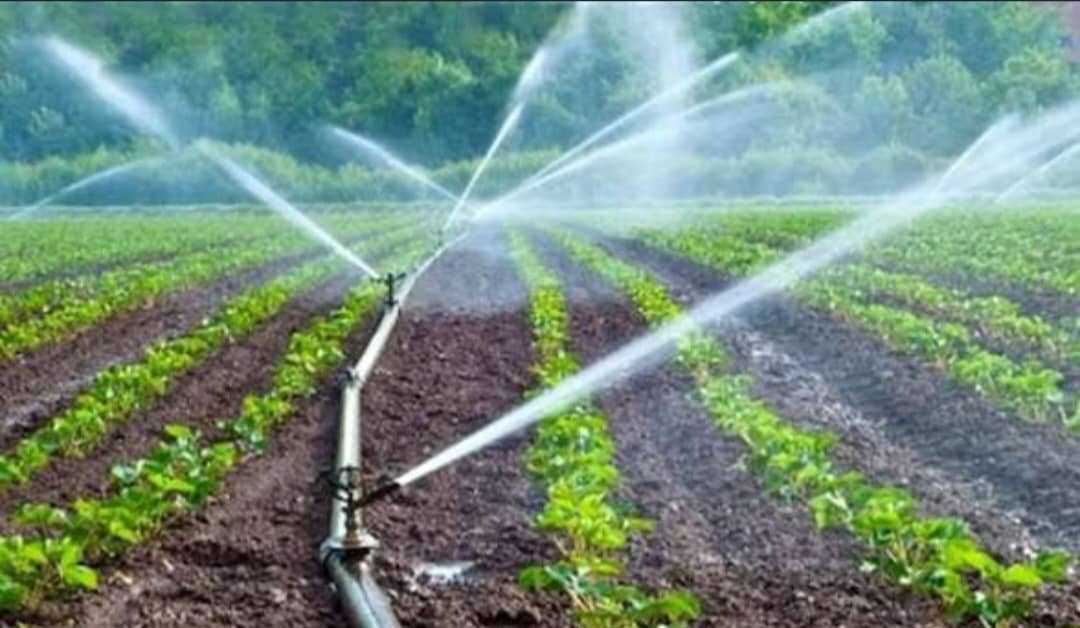
Zimbabwe's push to expand irrigation is increasingly being viewed as the country's most important defence against climate change, as recurring droughts and erratic rainfall expose the limitations of rain-fed agriculture and threaten national food security.
Government and development partners argue that irrigation is no longer simply an agricultural input but critical national infrastructure capable of stabilising food production, protecting rural livelihoods and reducing the economic shocks associated with poor rainfall seasons.
The United Nations Development Programme (UNDP) Zimbabwe says irrigation schemes must be designed to safeguard both people and ecosystems if they are to deliver lasting benefits.
"Climate-resilient irrigation is about more than water, it's about protecting people and the environment," UNDP Zimbabwe said.
The organisation added: "By integrating environmental and social safeguards into irrigation schemes, we promote sustainable farming, conserve natural resources, strengthen community resilience, and ensure that no one is left behind."
The emphasis reflects Zimbabwe's growing shift from emergency drought responses towards building long-term resilience. Although the country has more than 10,000 dams and water bodies—one of the highest numbers in Sub-Saharan Africa—agriculture remains heavily dependent on increasingly unreliable rainfall, leaving farmers vulnerable to prolonged dry spells and shifting weather patterns.
The challenge is not water availability alone but the ability to harness it. Government estimates indicate Zimbabwe has an irrigation potential of about 2.2 million hectares, yet only about 217,000 hectares are currently equipped with functional irrigation infrastructure, meaning barely one-tenth of the country's potential has been developed. Of that area, only around 141,000 hectares are available for cereal, tobacco and other crop production, while approximately 75,000 hectares have been dedicated to irrigated maize production in recent seasons.
Recognising this gap, the government has set an ambitious target of expanding irrigated land for cropping to 350,000 hectares, a level officials say would significantly reduce dependence on rainfall and improve national food security. The long-term strategy includes rehabilitating existing schemes, developing irrigation around completed dams, constructing new irrigation infrastructure linked to dams under development, and expanding irrigation under rural development programmes.
Related Stories
Permanent Secretary in the Ministry of Agriculture, Mechanisation and Water Resources Development, Professor Obert Jiri, says efficient water management is becoming increasingly urgent.
"Water is the season's most contested resource. Invest in irrigation, boreholes and water storage systems now," Jiri said.
He urged households and farmers to conserve available supplies, adding: "Use it wisely for both home and farm needs before demand peaks."
However, experts increasingly argue that irrigation alone cannot guarantee higher productivity if soil health continues to deteriorate through erosion, poor land management and declining organic matter.
Jiri echoed that concern.
"Healthy soils are the bedrock of agriculture. Investing in conservation practices ensures long-term productivity and food security. Let us protect the land that sustains us."
His remarks underline a policy shift that links irrigation development with climate-smart agriculture, conservation farming and sustainable natural resource management, rather than treating them as separate interventions.
The economic implications are significant. Agriculture remains a major employer and contributes substantially to Zimbabwe's economy while providing raw materials for manufacturing and exports. Yet drought-induced crop failures frequently force the country to import grain, increase food assistance and divert scarce foreign currency towards food purchases. Expanding irrigation offers a pathway to more stable production, higher farmer incomes and year-round cultivation while supporting strategic crops such as maize, wheat and horticultural produce.
Government projections suggest that achieving the 350,000-hectare irrigation target could enable Zimbabwe to produce enough irrigated maize to meet national food requirements while sustaining winter wheat production, which has already transformed the country from a wheat importer into a self-sufficient producer in recent seasons.








Leave Comments