






Rutendo Mazhindu- Reporter
For a family waiting for a transfusion, the emergency does not end when doctors call for blood. It can move straight into the household, where US$250 for one unit can mean selling livestock, borrowing money or desperately searching for cash.
A woman can survive childbirth only to leave her family fighting another battle: how to pay for the blood that saved her life.
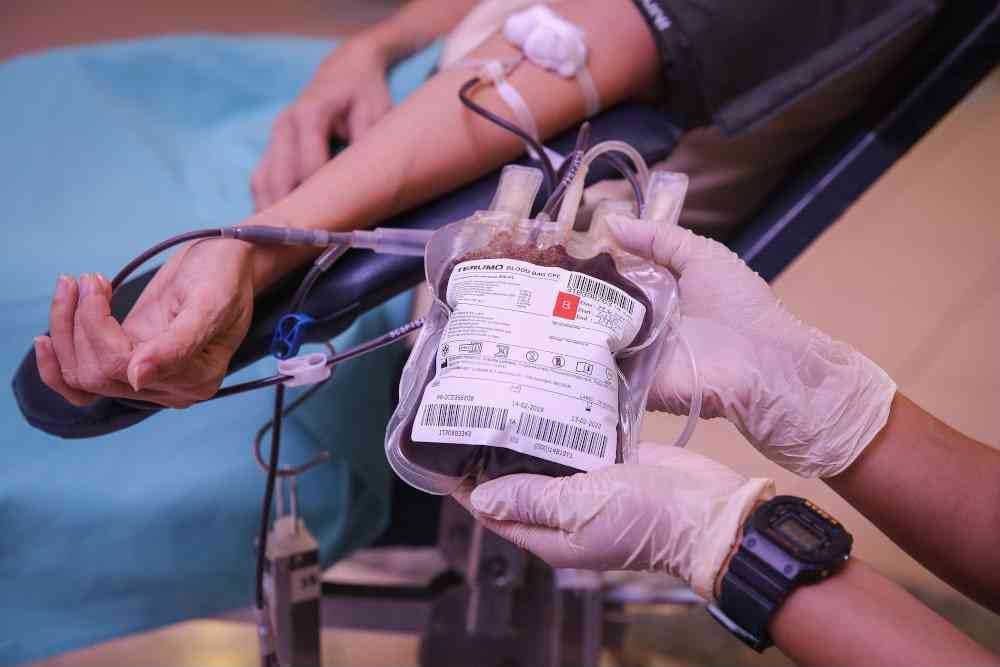
That is the human cost sitting behind Zimbabwe’s contested US$250 price for a 250ml unit of blood, at a time when postpartum haemorrhage (PPH) remains one of the major threats to mothers and the country continues to grapple with blood shortages.
For families who cannot find blood in the public system, the price is no longer an accounting figure.
It becomes a bill that has to be settled while a mother is bleeding.
One father, Lloyd Muzamba, said the cost forced him to sell a cow after his wife needed blood.
“I earn US$270 a month. I had to sell a cow to raise the US$250 for one unit. How many cows can a man sell?”
That question captures the problem more sharply than the price itself.
One unit can consume almost an entire month’s income for a worker earning US$270.
And childbirth emergencies do not always require one unit.
Tanaka Moyo, a new mother who suffered postpartum haemorrhage, said she had to borrow money after a public hospital reportedly had no blood.
“The public hospital said they had no blood. I had to borrow from a moneylender at 20% interest to buy two units from a private lab. My baby almost lost me.”
Two units would push the cited NBSZ price to US$500 before a family considers transport, hospital bills, medicines or the loss of income that can accompany a medical emergency.
WHEN THE BLOOD IS NOT THERE
The country’s stated policy is that blood should be available free to patients in public hospitals through a voucher system, with Government seeking to eventually reduce costs to between US$50 and US$80 before eliminating charges.
But shortages create a gap between policy and experience.
When public facilities do not have the required blood, families can be pushed towards private suppliers, where the price can reportedly reach US$250 per unit and, in some private facilities, as much as US$1,000.
For a mother suffering PPH, there is no meaningful opportunity to wait for prices to fall.
There is no time to negotiate.
There is no time to organise a fundraiser.
There is no time to sell property at a good price.
Blood is needed when it is needed.
Zvikomborero Ronald Mugwengedzi said shortages of blood products directly affect the country’s ability to manage maternal emergencies.
“May we have the free blood products facility back for our patients. NBSZ blood bank says they need US$250 per unit. PPH is one of the top causes of maternal mortality. We cannot manage it without blood products.”
WHAT EXACTLY IS BEING PAID FOR?
NBSZ management has defended the US$250 figure, saying its profit margin is only US$5 per unit.
Blood bags account for about US$40 to US$50, while the remaining amount is attributed to testing, processing, storage and transportation as part of the complete “vein-to-vein” process.
But the explanation has not ended questions over the size of the bill facing patients.
Freeman Chari has estimated the actual processing cost at below US$90.
“Blood bags cost $40–50; screening and component separation cost less than $20; add labour and storage – you get to around $90, not $250.”
The difference between the two figures — the official US$250 charge and the disputed estimate of less than US$90 — has become one of the central fault lines in the debate over the cost of blood.
Related Stories
The price is also significantly higher than the US$120 per unit cited by the NBSZ chief executive in 2019.
Health experts have attributed some of the increase to currency distortions and procurement costs, although the information provided does not establish a single cause for the rise.
THE COST DOES NOT END AT THE BLOOD BANK
The financial impact becomes heavier when a public hospital cannot supply the blood.
A family that has already paid for transport to hospital may suddenly have to find hundreds of dollars for blood, then continue paying for treatment and recovery.
For a low-income household, that can mean borrowing at high interest, selling livestock or diverting money meant for food, rent or school fees.
Muzamba’s experience illustrates that pressure in one sentence:
“How many cows can a man sell?”
It is a question about more than one family.
It points to what happens when an essential medical product becomes a household expense during an emergency.
THE MATERNAL HEALTH TEST
The issue over blood prices comes as Zimbabwe’s health sector pushes for stronger action against preventable maternal and neonatal deaths.
Secretary for the Ministry of Health and Child Care Dr Aspect Maunganidze has called for research to translate into practical improvements in healthcare.
Maunganidze emphasised that scientific evidence, data and medical innovation must ultimately produce better clinical care, stronger policies and saved lives.
That promise is tested most brutally in an emergency room.
For a woman experiencing PPH, a policy on paper means little if the blood bank is empty.
For her family, a scientific conference means little if the required blood can only be found after they produce US$250.
A PRICE THAT NEEDS MORE THAN DEFENCE
Safe Birth Zimbabwe has called for the restoration of a fully subsidised and freely available blood supply, particularly for maternity cases.
“PPH kills more women than any other complication. Denying blood because of a US$250 price tag is a death sentence. We demand the immediate restoration of a fully subsidised, freely available blood supply for all maternity cases.”
Chari has also called for greater scrutiny of the pricing structure.
“If the true cost is $90, why charge $250? The government must audit NBSZ and remove the middlemen who inflate prices. Every dollar saved can save a mother.”
The international comparisons provided also place Zimbabwe’s price under scrutiny, with South Africa’s cited public-hospital price at about US$70-US$75 per unit, while figures provided for Egypt and the Democratic Republic of Congo are considerably lower.
The comparisons do not, by themselves, establish that Zimbabwe’s costs should be identical, because blood collection, testing, processing, storage and distribution systems differ between countries.
But they underline why the US$250 figure has become so contentious.
THE REAL QUESTION IS AVAILABILITY
The most important issue may therefore not be whether blood costs US$250 or US$90.
It is whether a woman who needs it can get it without her family having to become a fundraiser first.
Zimbabwe can continue to discuss maternal mortality, standardised obstetric care, research and health-sector investment.
But in the maternity ward, the measure is brutally simple:
Is the blood there when the mother needs it?
Because when a mother is haemorrhaging, every minute spent searching for blood is a minute her family cannot buy back.
And for a household that earns US$270 a month, US$250 is not just the price of blood.
It is the price of financial survival.







Leave Comments