






Frequent electricity outages and erratic power supply from ZESA have pushed the African Institute of Biomedical Science and Technology (AiBST) to invest in a large-scale solar power system to safeguard sensitive laboratory equipment, biological samples and critical health research.
Speaking after the launch of AiBST's solar power system and specialised Bioanalytical Chemistry Laboratory on August 5, 2026, AiBST chief executive officer Collen Masimirembwa said unreliable electricity had become a major threat to the institute's operations.
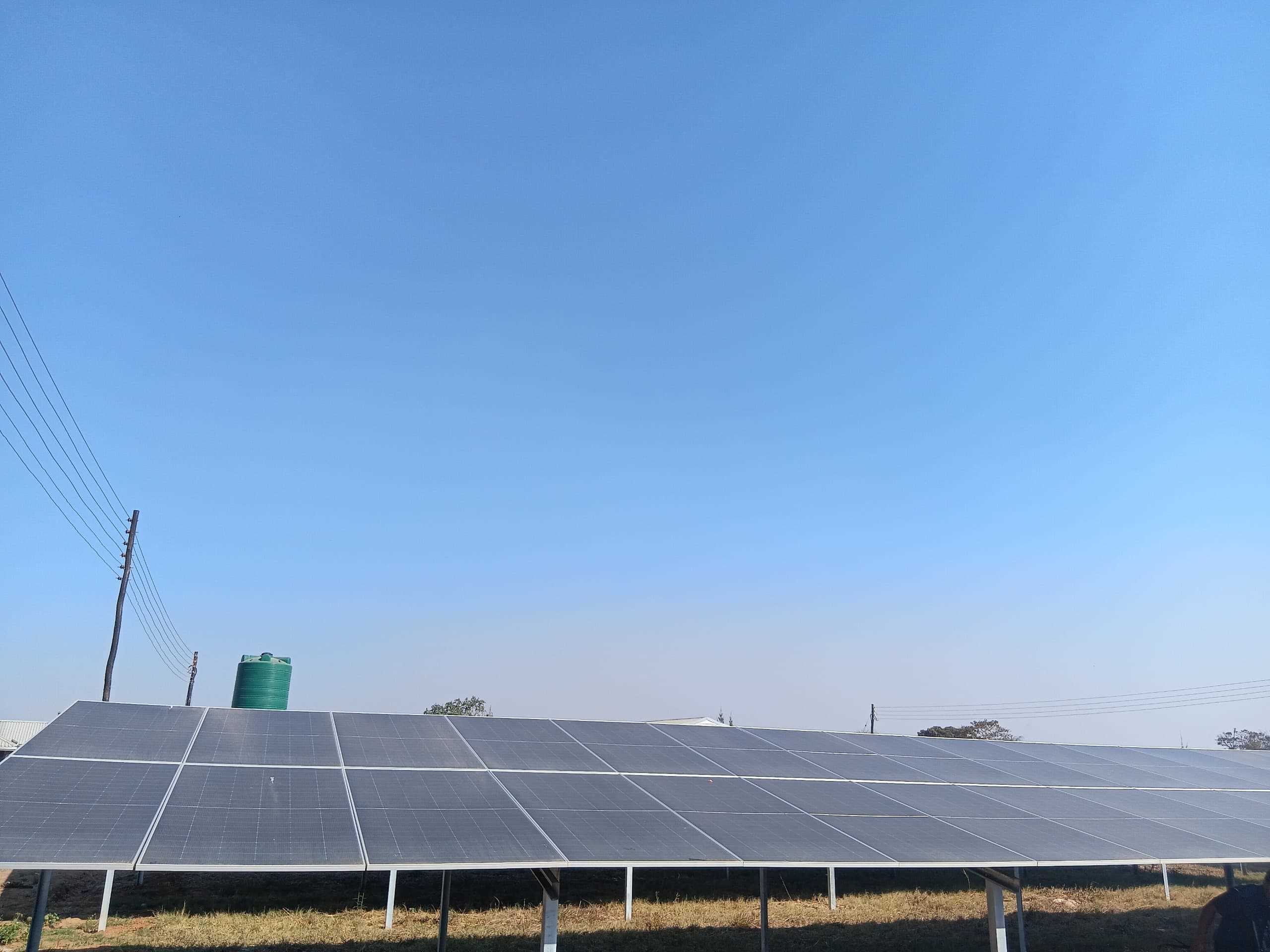
The newly commissioned solar system comprises 400 solar panels and is designed to provide a constant and stable power supply for the institute's research facilities.
Masimirembwa said the institute relies heavily on high-precision equipment and cold-chain storage systems for biological samples, making uninterrupted electricity essential.
"We have installed this solar system to be able to power our laboratory so that we can have a constant power supply of good quality to support the research that we do. We keep many biological samples which require a reliable cold-chain system," he said.
He revealed that power fluctuations and outages had already caused significant losses.
"Because of the erratic power supply, some of our equipment got damaged, and those are additional costs. Some of our freezers and precision equipment were damaged because of the erratic nature of the supply," said Masimirembwa.
He said prolonged power cuts had also put valuable research materials at risk.
"Some of the reagents in our freezers would end up at temperatures higher than required, and those samples can perish. Our productivity was also limited to periods when power was available. Some days, we would only have four to eight hours of productivity," he said.
Masimirembwa said the solar installation would allow researchers to operate continuously and improve efficiency.
"Right now, with a continuous power supply, even when we go home, we will leave our systems running. That way, we will be more productive. This solution has brought several benefits, which we believe will contribute to national development."
Related Stories
The launch also marked the commissioning of AiBST's specialised Bioanalytical Chemistry Laboratory, which Masimirembwa described as a strategic national asset.
He said the facility would support the institute's research and development work while also assisting national health programmes in monitoring how medicines perform in patients.
"This is one of the most sensitive pieces of equipment to be brought into the country. We intend to provide support both to our R&D work and national initiatives to understand how drugs are working in patients," he said.
The projects were funded through support from the African Capacity Building Foundation and the GESS Foundation, with officials from the Ministry of Health and Child Care attending the launch.
Representing the Ministry of Health and Child Care on behalf of Permanent Secretary Dr Aspect Maunganidze, Tanaka Sakubani said the project demonstrated how renewable energy could strengthen critical institutions while advancing sustainability goals.
"We were talking about sustainability and looking at the future of Africa as a whole because we have abundant solar energy. Moving towards sustainability and addressing the effects of climate change means shifting towards harnessing this type of energy," said Sakubani.
"In resource-limited settings, it comes in handy. While it can be expensive, collaboration with partners allows institutions and the country as a whole to benefit."
Kennedy Chando, Head of Engineering at Tendo Electronics, which was involved in the solar installation, said organisations should increasingly adopt alternative energy solutions rather than relying solely on the national grid.
"We all know we have a shortage of power in the country. The government is doing what it can, but because of industrial growth and other factors, we are still short of power," said Chando.
"Instead of just complaining, it is encouraging when customers come on board and implement alternative energy solutions like this one so that they are able to continue doing what they are supposed to do."
The development comes as businesses, industries and research institutions across Zimbabwe continue to invest in solar energy to shield their operations from persistent power shortages and load-shedding, with uninterrupted electricity increasingly becoming essential for productivity and growth.





Leave Comments