





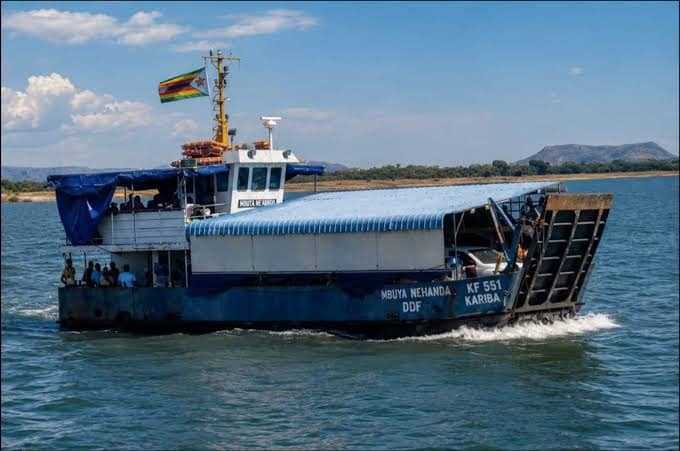


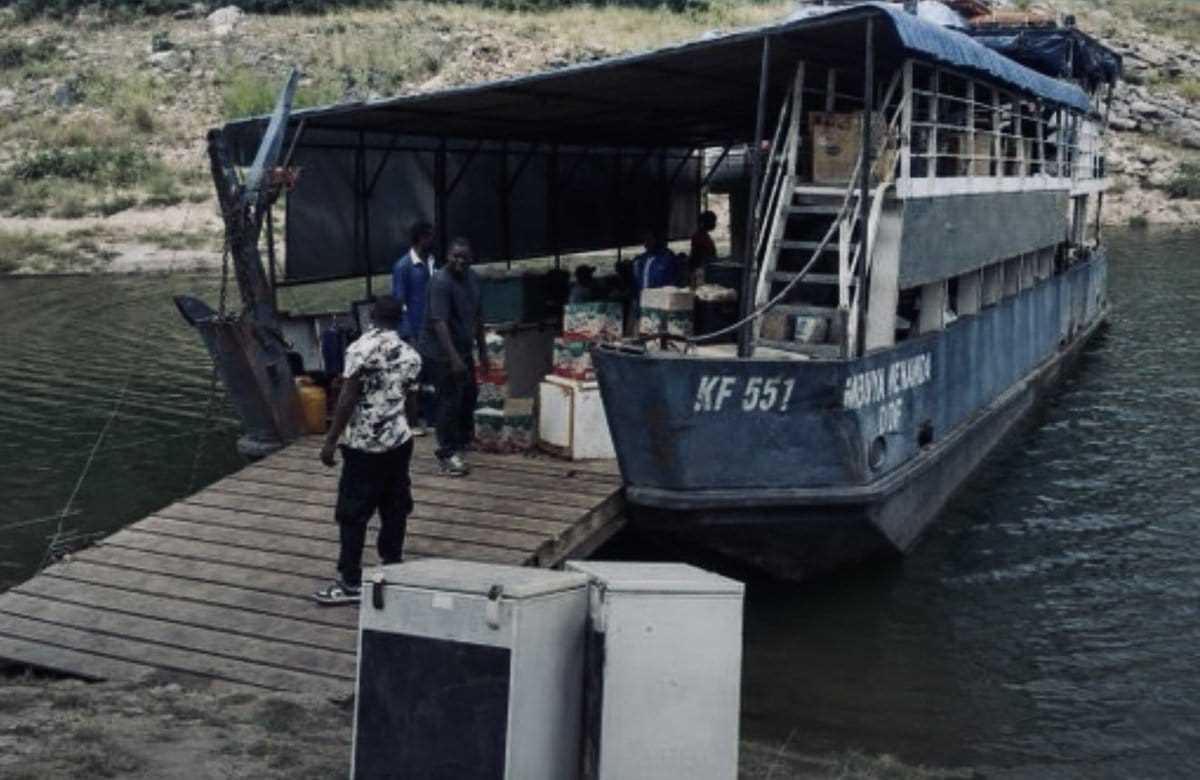
The captain and crew of the Mbuya Nehanda ferry could become central to investigations into the Lake Kariba disaster after Local Government and Public Works Minister Daniel Garwe attributed the tragedy to alleged negligence and human error, despite the vessel having a valid certificate of fitness.
Garwe's comments have shifted attention from the seaworthiness of the ferry to how it was operated on August 11, when the RIDA-operated passenger vessel capsized on Lake Kariba while carrying passengers and goods.
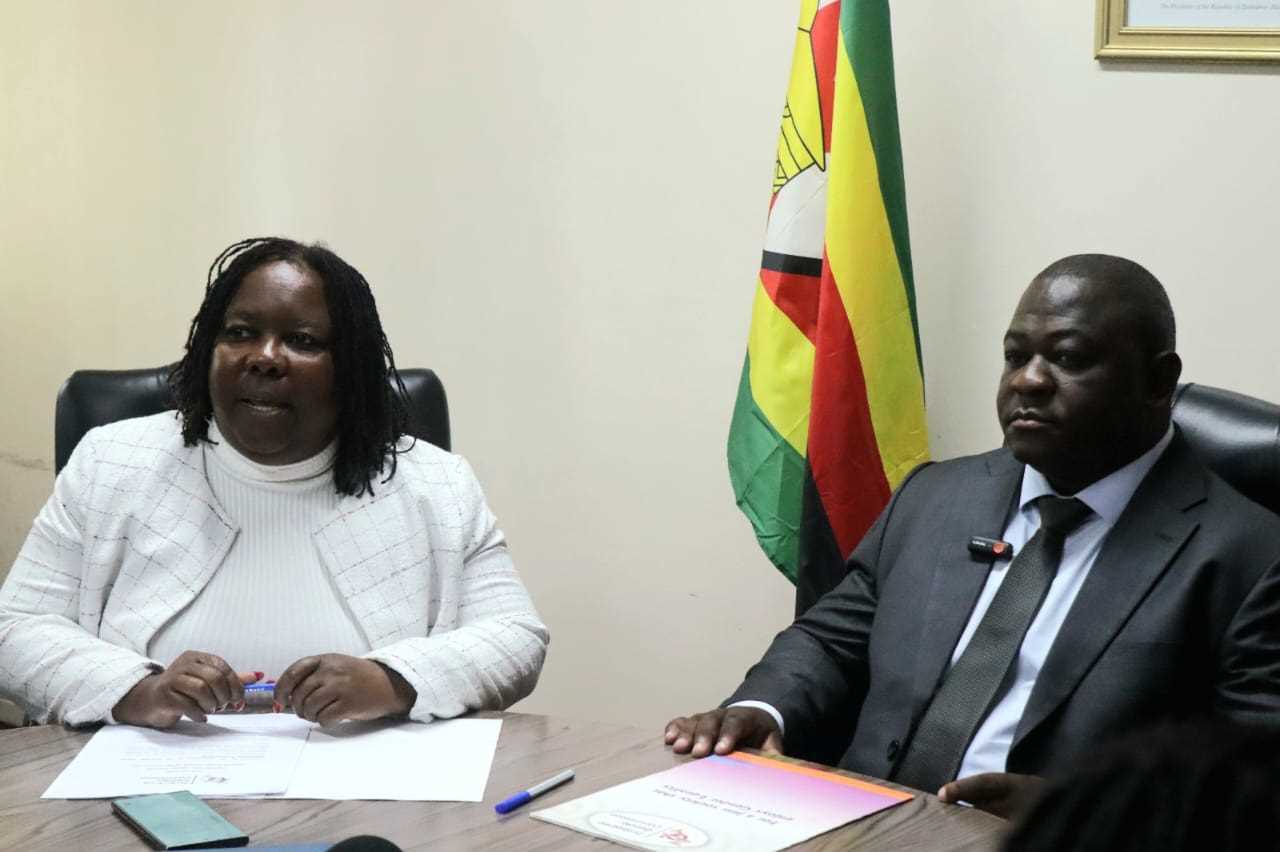
“The problems that occurred were as a result of negligence and human error by the captain of the boat. It had nothing to do with whether the boat was not fit or was fit,” Garwe said, insisting that the vessel had been certified by the Ministry of Transport and Infrastructure Development through the Rural Infrastructure Development Agency.
The minister's position introduces a crucial distinction in establishing responsibility: a vessel can satisfy regulatory fitness requirements while its operation may still fall below required safety standards.
The Government's preliminary report, however, says the ferry was carrying about 180 passengers and goods, exceeding its carrying capacity, while strong waves reportedly contributed to the capsizing.
The report also says the Meteorological Services Department had issued an early warning advising lake users against sailing, raising further questions about the decisions made before the ferry embarked on its journey.
Garwe said Cabinet had approved an inquest to establish what happened, particularly amid conflicting accounts circulating on social media and public commentary about the management of vessels operating on Lake Kariba.
“Cabinet has approved that we go ahead and put in place an inquest to start investigations on exactly what took place, because there are a lot of stories that have been floated through social media,” he said.
The inquest will therefore have to establish whether the captain and crew ignored weather warnings, whether the ferry was deliberately loaded beyond its capacity, and whether established operating procedures were followed before and during the voyage.
Related Stories
It will also have to reconcile the minister's assertion that the vessel was fit with the Government's preliminary finding that it was carrying more people and goods than its permitted capacity.
A certificate of fitness generally establishes that a vessel has met prescribed technical and structural requirements at the time of inspection. It does not necessarily establish that the vessel was operated safely on every voyage or under every set of conditions.
The Government's own preliminary findings suggest that operational compliance may therefore be as important as the physical condition of the ferry.
The reported decision to sail despite a weather warning could become one of the key issues examined by investigators. Strong waves were identified as a factor in the capsizing, but the presence of an early warning raises questions about whether the voyage should have proceeded in the first place.
Similarly, the reported overloading of the ferry could have affected its stability in difficult conditions.
These questions are particularly important because the disaster was not simply a mechanical failure involving an unfit vessel. If investigations ultimately establish that the ferry was technically sound but sailed in unsuitable conditions or beyond its capacity, responsibility could shift towards operational decisions made by the crew and those responsible for authorising the voyage.
Garwe also pushed back against claims questioning the general management of boats operating on Lake Kariba, saying such assertions should be tested through the formal investigation rather than social media speculation.
“There are a lot of stories that have been said by people without authority on how this boat and many other boats in Kariba are being managed,” he said.
That places considerable responsibility on the forthcoming inquest to establish a credible chain of events, rather than simply identify a single individual to blame.
Investigators are expected to examine the structural remains of the vessel, as well as operational and compliance records. The findings could determine whether the disaster resulted from a combination of factors, including overloading, weather conditions, navigation decisions and possible failures to comply with safety procedures.






Leave Comments