







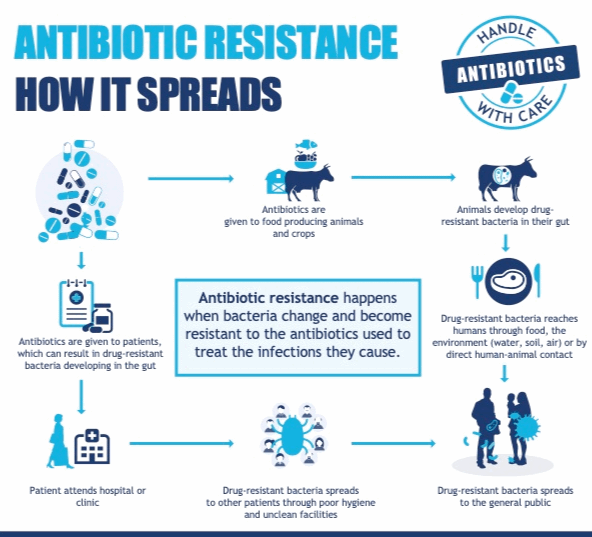
About one million people die every year from drug-resistant bacterial infections, health experts have warned, as they call for stronger laws, increased funding and tighter controls to tackle antimicrobial resistance.
The warning was made during an online briefing organised by Member of the European Parliament Martin Häusling and the World Health Organisation under the theme, “Antimicrobial Resistance: The Human Stories Behind a Silent Pandemic.”
WHO Acting Director of Antimicrobial Resistance Dr Jean-Pierre Nyemazi said AMR was affecting people, animals, food systems, the environment and economies.
AMR occurs when microorganisms stop responding effectively to medicines used to treat infections, making illnesses harder and sometimes impossible to treat.
Nyemazi said governments must back AMR commitments with legislation, financing and accountability.
Related Stories
He called for stronger infection prevention, vaccination, improved water and sanitation, responsible antimicrobial use, better surveillance and access to quality medicines and diagnostic services.
He also urged countries to regulate antibiotic sales, particularly dispensing without prescriptions, and use digital systems to monitor antibiotic distribution.
Häusling raised concerns about antibiotic use in livestock, warning that unnecessary treatment of healthy animals could accelerate resistance and contaminate the environment.
AMR survivor Rob Purdie said a fungal infection was repeatedly misdiagnosed before progressing to meningitis, leaving him with prolonged treatment, permanent health consequences and major financial costs.
He urged governments to invest in diagnostic services alongside new medicines, warning that new drugs would have limited value if resistance and misuse continued.
World AMR Awareness Week will run from November 18 to 24 under the theme, “One Health, One Action, Prevent AMR Now.”






Leave Comments