






By Simbarashe Namusi
Heroes Day has come and gone. The speeches have been delivered, wreaths laid, and the familiar names invoked. A week later, the ceremonies are over, and Zimbabweans are back to their daily lives. That is when the harder question begins: independence has produced something. The question is what.
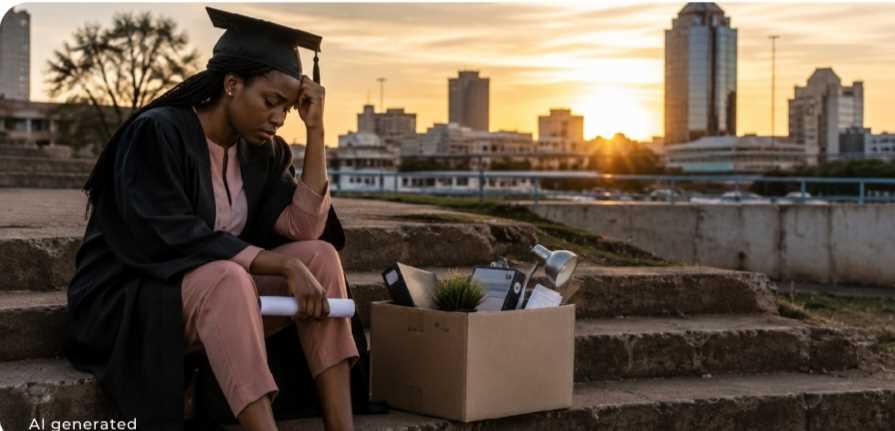
For a young Zimbabwean graduate, Heroes Day may have been another day of checking WhatsApp job groups and email inboxes.
She may have graduated two years ago, sent dozens of applications, and attended interviews. Her parents did what millions of Zimbabwean parents did after independence: they invested in education because they believed it would give their children better opportunities.
Now she has a degree but no job.
She did not inherit colonial Rhodesia. She inherited Zimbabwe.
She is not asking for liberation. She was born free. She is asking what that freedom was supposed to make possible.
The relationship with the liberation struggle is changing.
For the generation that fought the war, the struggle was personal memory. For those born after independence, it is increasingly history. History remains important, but it also has to explain the present.
The liberation struggle achieved something fundamental. It established Zimbabweans’ right to determine their own political destiny, dismantled a system based on racial exclusion, and produced a sovereign state under majority rule.
Those achievements matter.
Since 1980, Zimbabwe has expanded access to education, built universities, and produced a highly educated professional class. Zimbabwean doctors, engineers, academics, entrepreneurs, artists and other professionals have made significant contributions at home and around the world.
There has been progress.
But achievement is not completion.
Independence was the beginning of the national development project, not its conclusion.
The children of independence increasingly judge Zimbabwe through the opportunities available to them rather than the history they inherited. They want to know whether education can lead to employment, whether income can support a decent standard of living, and whether citizenship gives them a realistic chance to build a secure future.
For many, the answers remain uncertain.
Related Stories
The diaspora illustrates the contradiction. Zimbabwe has invested heavily in educating and training its citizens, yet many build their careers elsewhere. Remittances are an important source of support for families and the economy, but they also raise a difficult question: Zimbabwe trains its citizens and then loses them to economies that can pay for what it taught them.
Chinua Achebe’s A Man of the People offers an uncomfortable point of comparison.
Achebe explored the distance that can develop between political elites and the citizens they claim to represent. His work remains relevant to a broader post-colonial pattern: political independence can change who controls the state without changing the relationship between power and ordinary people.
Zimbabwe should not be reduced to Achebe’s fictional world. But the warning is worth considering.
Political language carries enormous weight here. Words such as liberation, sovereignty, empowerment, patriotism and legacy have genuine historical meaning. The problem begins when that history becomes an argument for why the present should not be questioned.
A citizen who demands accountability is not necessarily attacking the country. A young graduate frustrated by limited opportunities is not disrespecting the liberation generation. Patriotism cannot mean accepting every shortcoming simply because the country’s history is painful and heroic.
The liberation struggle secured political freedom. The responsibility of subsequent generations is to turn that freedom into opportunity, effective institutions and a decent standard of living.
That responsibility is not an indictment of the heroes. It is the obligation of those who inherited their achievement.
Zimbabwe has significant agricultural potential, vast mineral resources and considerable human capital. Its people have repeatedly demonstrated resilience in the face of economic and social difficulties.
The problem, therefore, is not a lack of resources or talent. It is the gap between what the country possesses and what ordinary citizens are able to build from it.
That gap is where the real contradictions of independence lie: an educated population facing limited employment opportunities; valuable natural resources alongside widespread economic insecurity; and a country that trains skilled professionals who often find better opportunities elsewhere.
These are not arguments against independence. They are evidence that its economic and institutional promise remains unfinished.
Heroes Day should, therefore, be more than an annual reminder of where Zimbabwe came from. It should also prompt an honest conversation about where the country is going and whether political independence is being matched by economic opportunity and institutional confidence.
The liberation generation secured the right to determine Zimbabwe’s future. The generations that followed inherited that responsibility.
More than four decades later, the question is not whether Zimbabwe has achieved anything.
It has.
The harder question is whether the achievements of independence are translating into meaningful opportunities for the people who inherited the country.
The harvest is unfinished.
Simbarashe Namusi is a media expert writing in his personal capacity.






Leave Comments