







By Simbarashe Namusi
Tendai keeps one playlist for job interviews. Ten songs, in the same order, from an artist whose music got her through her father's burial and two retrenchments in three years. Last month, she posted an unsolicited three-sentence defence of him after his name appeared online alongside a businessman's.
She deleted it two days later, not because she had changed her mind, but because a cousin gently asked whether she had ever looked into where his new car came from.
She hasn't. She isn't going to.
She's one of thousands.
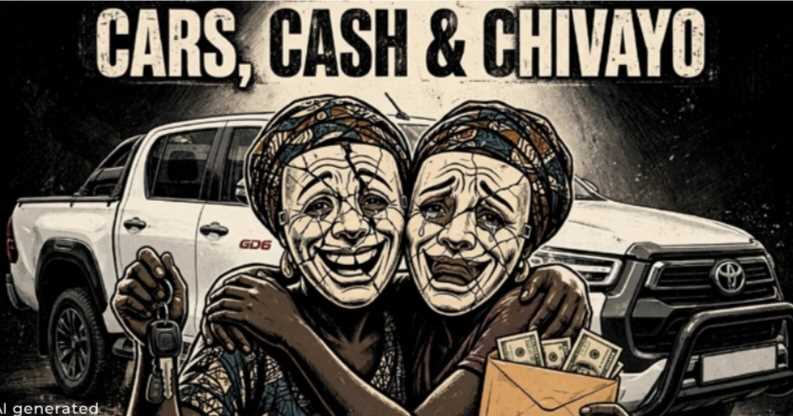
Over the past two years, Wicknell Chivayo, a businessman whose fortune is linked to government tenders, some of which remain unfinished or under scrutiny, has distributed luxury vehicles to more than 200 public figures, including musicians, gospel singers, footballers, church leaders and broadcasters.
Chivayo has openly said some of these gifts are political, arranged through the ruling party, and that recipients are expected to acknowledge this publicly. When a local council leader publicly asked a footballer where the money for his new car had come from, the question was met mostly with silence, followed by a thank-you post.
That silence is the transaction.
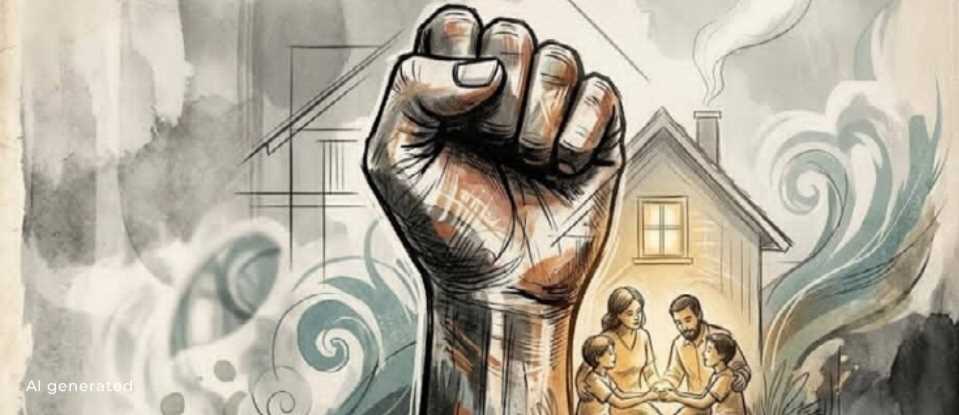
A vehicle is never just a vehicle. It can become a debt, and debts are often collected quietly.
An artist who has driven away in a six-figure gift is unlikely to release a song criticising the system that facilitated it. A gospel singer handed a new SUV is unlikely to stand at a rally condemning money whose origins remain publicly unexplained.
The gift buys something more valuable than loyalty. It buys quiet. And quiet from a beloved public figure can look like consent rather than compliance.
The fans complete the circuit.
When criticism surfaces, people like Tendai are often among the first to defend the artist, not the businessman, as though the two can be separated. They cannot.
Every “leave him alone, he's just grateful” normalises the arrangement one more time, for free and at scale, from people who gained nothing beyond a song they already loved.
Related Stories
This is the manufacture of consent without the machinery traditionally associated with it. No editorial boardrooms. No newspaper ownership required.
Chivayo has bypassed the newsroom and gone straight to the emotional infrastructure Zimbabweans already trust: the voice that scored their weddings, the songs that carried them through burials.
You cannot ask where the money came from without feeling, faintly, as though you are attacking the music itself.
That confusion is not accidental. It is the power of the arrangement.
What gets lost is harder to see than a new SUV in a driveway.
It is the song never written. The endorsement never withheld. The artist who might once have asked the same question that the council leader did, but chose the car instead.
Zimbabwe's creative class carried moral weight precisely because it stood slightly outside power: close enough to be heard, far enough to be trusted.
That distance is what is being purchased, one vehicle at a time.
And once it is gone, no amount of talent can buy it back.
Tendai deleted her post.
She still plays the album every morning.
She still hasn't looked.
And the man who bought the silence may have made sure she never has to.
Simbarashe Namusi is a media expert writing in his personal capacity.






Leave Comments