







The Parliamentary Portfolio Committee on Lands and Agriculture has praised the Agricultural and Rural Development Authority (ARDA)'s production models after observing what legislators described as strong wheat performance during a nationwide review of the country's agricultural sector.
The committee is currently visiting ARDA farms across Zimbabwe to evaluate wheat and maize production against set targets, assess the authority's contribution to the Government's Strategic Grain Reserve and examine interventions aimed at improving agricultural productivity.
Following a tour of an ARDA-supported farming project in Mashonaland Central, Mutoko South legislator and committee member Isaac Tasikani said the production model had delivered positive results that could be replicated to increase food production nationally.
"We are here in Mashonaland Central as the Parliamentary Portfolio Committee on Lands and Agriculture to assess farming activities being undertaken through partnerships between farmers and ARDA," said Tasikani.
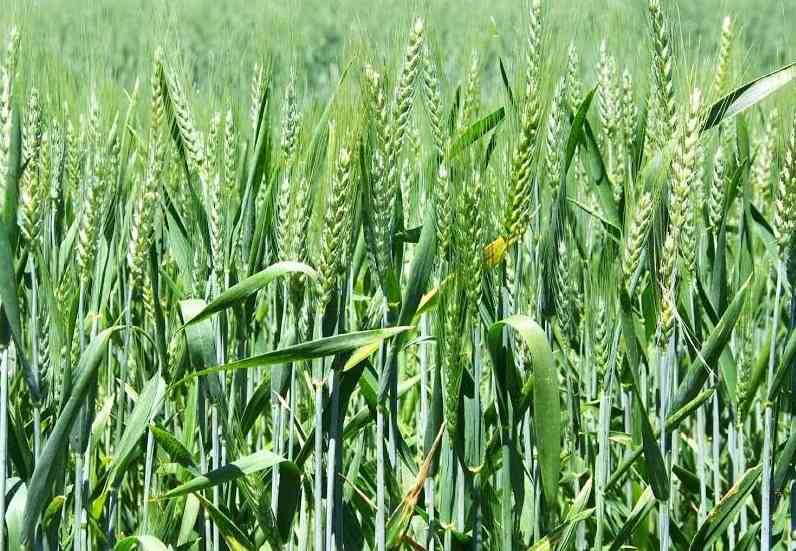
"We have been impressed by the wheat crop being grown on approximately 200 hectares under irrigation. What stands out most is the comprehensive support that ARDA has provided to make this project a success."
Tasikani said the committee would push for greater Government support for ARDA to enable more farmers to benefit from similar assistance.
"When we return to Parliament, we will advocate for increased Government support for ARDA so that more farmers can access critical inputs and technical assistance similar to what we have witnessed here," he said.
He added that legislators want more farmers, especially young people, to participate in ARDA's production models, saying wider adoption of the initiative could substantially increase agricultural output.
"If replicated across the country, such partnerships would strengthen Zimbabwe's Strategic Grain Reserve, boost foreign currency earnings through agricultural exports and create employment opportunities, especially for young people. We will also advocate for more young farmers to be given opportunities to partner with ARDA so they can contribute meaningfully to national development," he said.
Related Stories
Tasikani said sustained investment in irrigation, mechanisation and farmer support would help Zimbabwe attain food self-sufficiency by 2030.
ARDA Chief Executive Officer Tinotenda Mhiko said the authority was expanding irrigation infrastructure to improve productivity and enhance national food security.
"Our vision is to expand irrigation to 25,000 hectares across ARDA estates by 2030. Increasing the irrigated area will enable us to raise productivity, improve climate resilience and ensure consistent production of strategic crops such as wheat and maize.
"This expansion will complement our production models, strengthen the Strategic Grain Reserve and create more opportunities for farmers to participate in commercial agriculture while contributing to Zimbabwe's food security objectives," he said.
ARDA Operations Director for Commercial Production Shingirai Jenah said the production model brings together large-scale farmers under a structured joint venture arrangement designed to increase national grain output.
According to Jenah, the participating farmers belong to the Strategic Grain Reserve 200+ Club, one of ARDA's flagship programmes made up of farmers with at least 200 hectares of arable land.
"The Strategic Grain Reserve 200+ Club is an association of farmers with more than 200 hectares of land who have come together under a joint venture agreement with ARDA. Through this partnership, we are working collectively to increase grain production and contribute towards the country's Strategic Grain Reserve," he said.
The Parliamentary Portfolio Committee on Lands and Agriculture is conducting nationwide inspections of ARDA farms to assess wheat and maize yields against established targets.
Lawmakers are also evaluating the extent to which ARDA's production models are contributing to the Strategic Grain Reserve while assessing interventions introduced by the authority to improve wheat and maize productivity as Zimbabwe intensifies efforts to strengthen food security and build a climate-resilient agricultural sector.








Leave Comments