








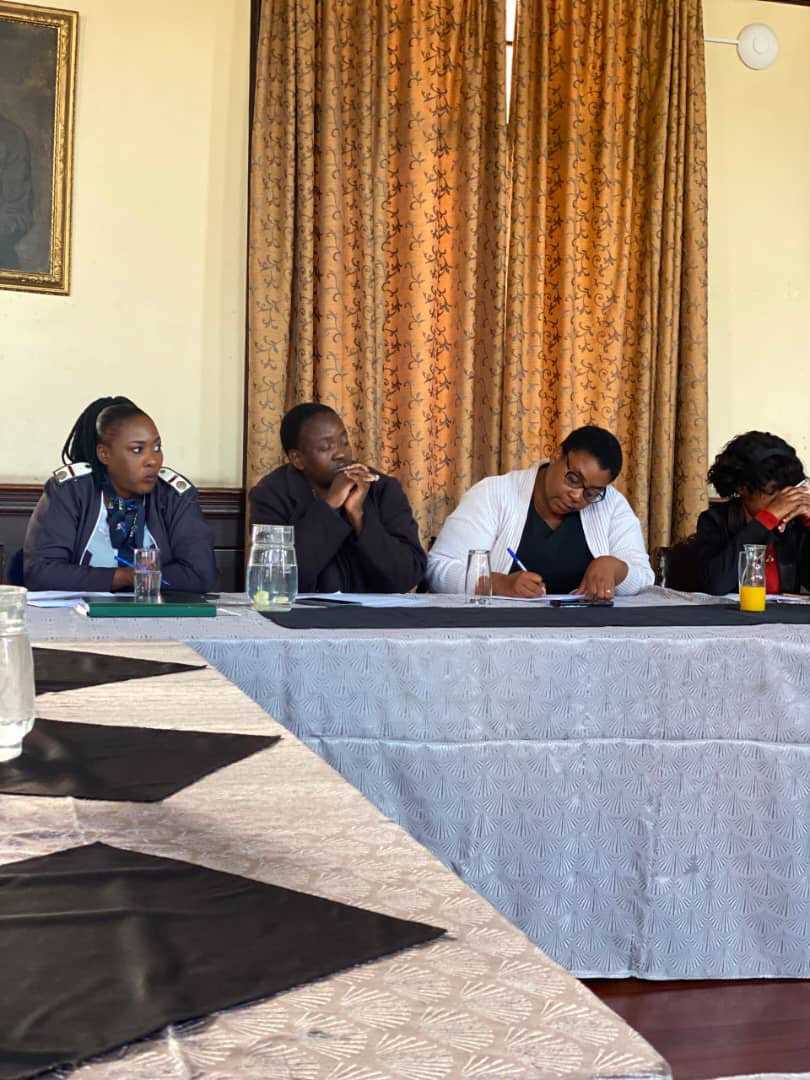
Women in Bulawayo have called for improved access to essential medicines and quality healthcare, saying medicine shortages, weak accountability and corruption continue to undermine their right to health.
The concerns emerged during a community dialogue organised by Transparency International Zimbabwe (TIZ), which brought together community members, officials from the Zimbabwe Anti-Corruption Commission (ZACC), the Ministry of Health and Child Care, the Zimbabwe Gender Commission and civil society organisations to discuss access to medicines and accountability in the health sector.
Participants said accessing essential medicines has become increasingly difficult, with shortages in public health facilities forcing many women to delay treatment or purchase medicines they cannot afford.
According to Transparency International Zimbabwe, medicine shortages, weak accountability and corruption continue to have the greatest impact on women, children and other vulnerable groups.
Related Stories
The organisation said access to essential medicines is a fundamental right and that persistent shortages are not merely health system challenges but realities that continue to affect families seeking treatment.
TIZ said participants shared their experiences of struggling to access medicines and quality healthcare while calling for greater transparency in the management and distribution of medical supplies.
The organisation added that stronger accountability mechanisms and greater community participation are needed to ensure medicines reach public health institutions and the people who depend on them.
Officials from the Zimbabwe Anti-Corruption Commission, the Ministry of Health and Child Care and the Zimbabwe Gender Commission joined the discussions, with stakeholders agreeing that restoring public confidence in the health sector requires integrity, transparency and improved oversight in the procurement and distribution of medicines.
According to the World Health Organization (WHO), access to safe, effective, quality and affordable essential medicines is a key component of universal health coverage. However, shortages and weaknesses in health systems continue to limit access for millions of people, particularly women and vulnerable communities.







Leave Comments