


Bulawayo's housing crisis is no longer simply about building more houses. It is increasingly about financing the roads, sewer systems, water networks and other infrastructure needed to turn thousands of occupied settlements into fully functioning neighbourhoods, a challenge city officials say cannot be solved by local authorities alone.
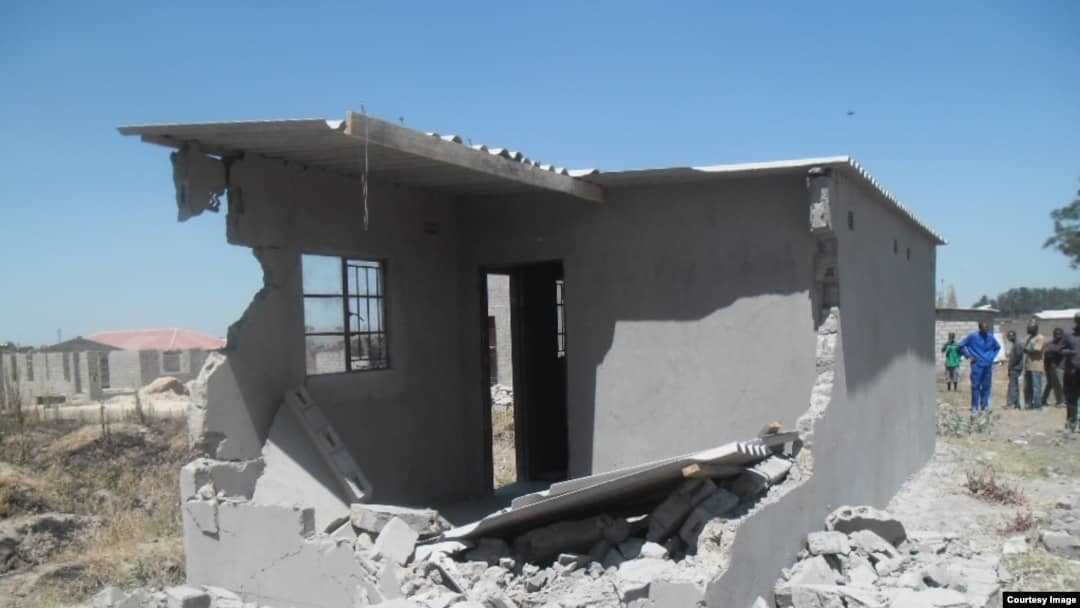
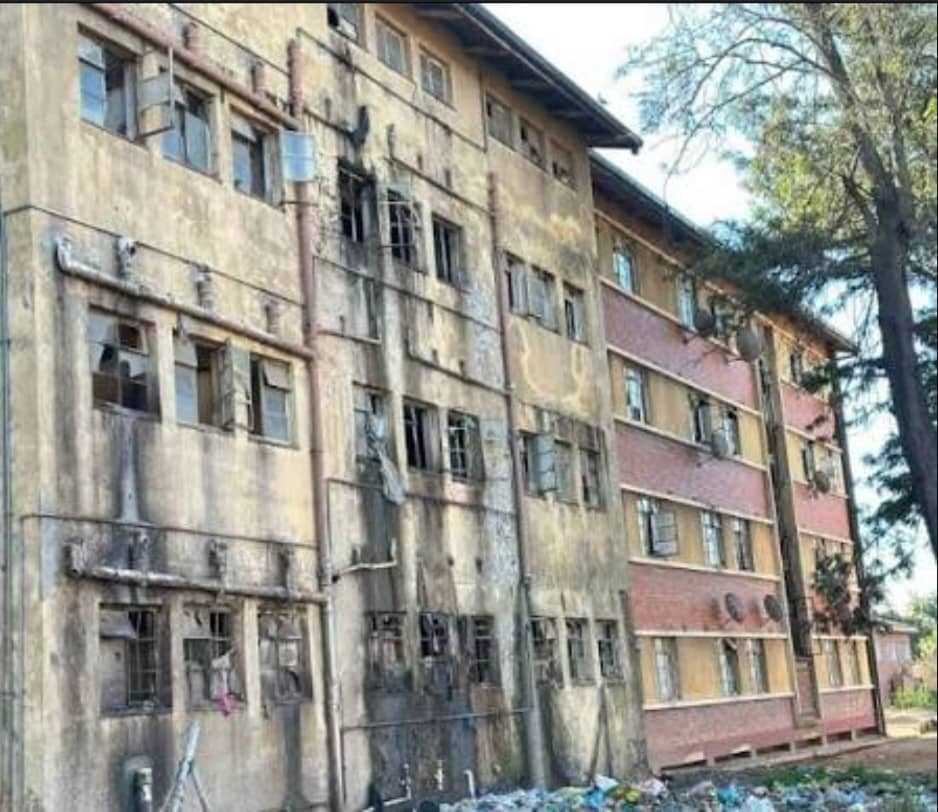
The issue came into sharp focus during a fact-finding visit by Parliament's Portfolio Committee on Local Government, Public Works and National Housing, which toured Cowdray Park, Hlalani Kuhle/Garikai, Richmond Landfill Site informal settlement, Burombo Flats and Iminyela suburb to assess informal settlements, housing projects and ageing residential areas.
Rather than focusing only on illegal settlements, municipal officials argued that one of Bulawayo's largest housing schemes illustrates a more complex national problem: residents can legally own homes while continuing to live without complete urban infrastructure.
Finance Director Tennyson Mpunzi, representing the Town Clerk, Acting Director of Works Engineer Methusi Dibidi, Director of Health Services Dr Edwin Mzingwane and Housing and Community Services Assistant Director Zakeu Sibanda told legislators that Cowdray Park's Hlalani Kuhle/Garikai settlement cannot be classified as dysfunctional because it has approved layout plans and is not characterised by haphazard development.
Instead, they said the settlement's greatest challenge is incomplete infrastructure.
"The City of Bulawayo in partnership with other partners has implemented various interventions to bring services to the Hlalani Kuhle/Garikai area with water at 100 percent and outfall sewers constructed," the officials said.
However, they acknowledged that "financial limitations were affecting inclusive development" and urged Members of Parliament "to lobby the Government for necessary funding to necessitate large-scale developments."
Those remarks expose what housing experts increasingly describe as Zimbabwe's biggest urban development challenge: the country is creating residential settlements faster than it is financing the infrastructure required to sustain them.
The problem is particularly evident in Cowdray Park's Hlalani Kuhle/Garikai project, which was established in 2005 under Operation Garikai/Hlalani Kuhle following Operation Murambatsvina. More than two decades later, parts of the settlement are still waiting for complete roads, sewerage and other municipal infrastructure, highlighting the long-term costs of emergency housing programmes that outpaced infrastructure investment.
The pressure is compounded by rapidly rising housing demand. Bulawayo's housing waiting list has now reached about 140,000 applicants, according to the latest city figures, reflecting growing urbanisation and demand for serviced residential land.
Related Stories
Urban housing researcher Trynos Gumbo argues that financing, rather than land availability, has become the principal obstacle to housing delivery in Zimbabwe.
"The main challenge to housing the urban poor is housing finance," Gumbo observed in research on Cowdray Park, noting that public resources remain limited while conventional housing finance is beyond the reach of many low-income households.
That financing gap has forced councils to rely increasingly on residents, private developers and public-private partnerships to service land, a model critics argue often delays infrastructure delivery and places heavy financial burdens on home seekers.
The City of Bulawayo said Government has introduced the Kwangu/Ngakwami Presidential Title Deeds Programme to help finance infrastructure development in Cowdray Park and that it is working closely with the initiative.
However, the programme itself illustrates the scale of the challenge. Engineers working with the City estimate that fully servicing Cowdray Park requires about US$38 million, with each beneficiary expected to contribute roughly US$3,500 towards infrastructure costs over time.
For many low-income households, that raises questions about affordability at a time when economic pressures continue to squeeze household incomes.
Bulawayo Progressive Residents Association programmes manager Claude Phuti has argued that delays in servicing residential stands have become a defining feature of the city's housing crisis.
"Some stands have remained unserviced for over 10 or even 15 years.
There's no clear plan to address the housing backlog," Phuti said, warning that housing allocation is increasingly determined by purchasing power rather than need.
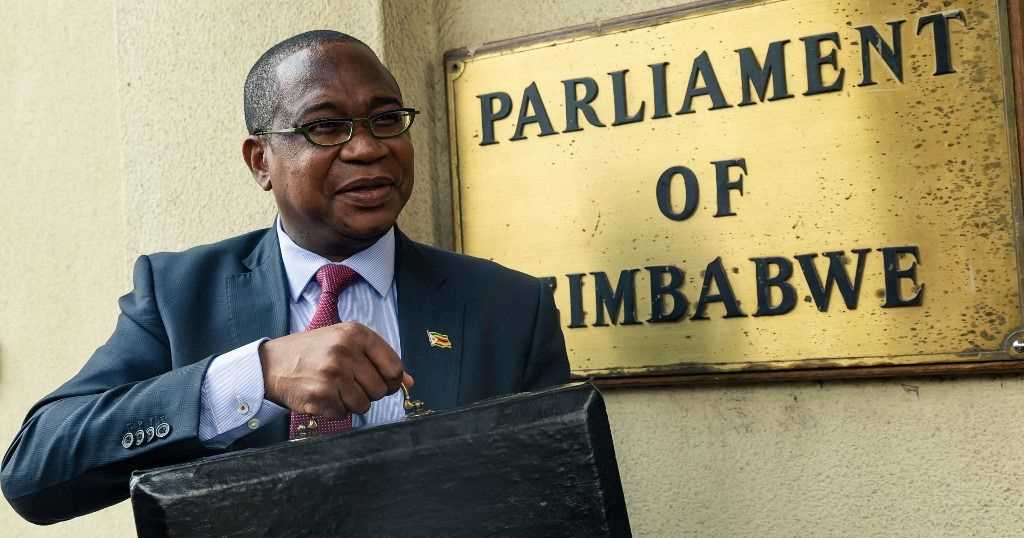
During the visit, Minister of Finance, Economic Development and Investment Promotion Professor Mthuli Ncube briefly joined the parliamentary delegation and suggested that Cowdray Park's continued expansion could eventually see it develop into a dormitory town.
His remarks point to Government's vision of Cowdray Park as a future urban growth centre. Yet urban planners argue that achieving that ambition will depend less on allocating additional residential stands than on mobilising sufficient long-term investment for roads, schools, clinics, sewerage, public transport and water infrastructure.






Leave Comments