









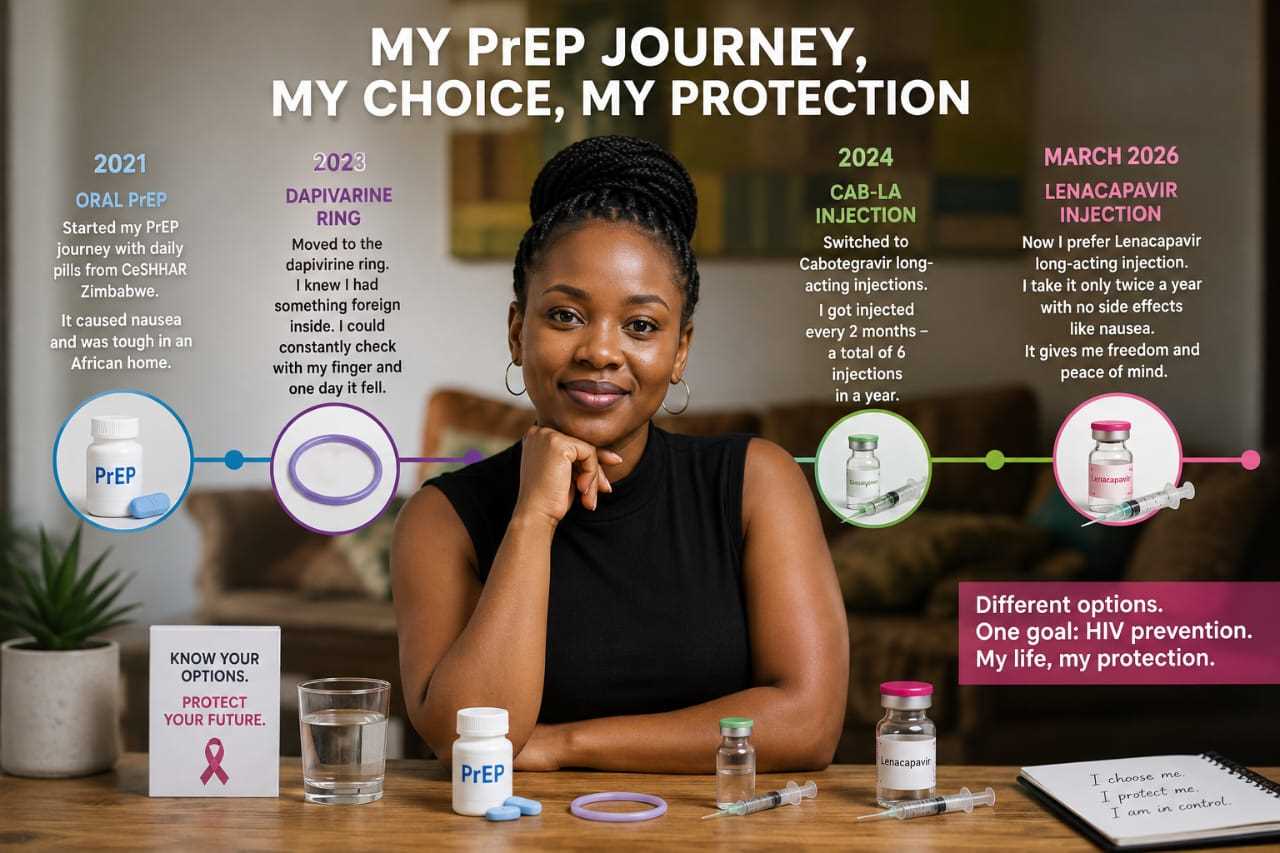
At 29, Emily Chikoto has tried almost every HIV prevention option currently available to women in Zimbabwe. From taking a pill every day, to using a monthly vaginal ring, receiving injections every two months and now an injection only twice a year, her journey mirrors the evolution of HIV prevention and shows why having options matters.
For the Bulawayo woman, protecting herself against HIV has never been about mistrust. It has always been about taking control of her health and future.
Her journey began in 2021 after her boyfriend introduced her to Pre-Exposure Prophylaxis (PrEP), medication taken by HIV-negative people to prevent HIV infection.
"I didn't know much about PrEP then. My boyfriend explained it to me, and I realised it was something I could do for myself," she said.
She enrolled through CeSHHAR Zimbabwe and started taking daily oral PrEP.
Although the tablets gave her peace of mind, they also brought challenges.
"The pills made me nauseous. Taking medication every day was also difficult in an African home. I thought of setting my alarm for 8pm, but I realised my mum would notice because we are always watching the ZBC news at that time. I then changed it to 9pm because that's when I usually went to bed," she said.
The daily routine became emotionally exhausting despite her determination to remain protected.
When the dapivirine vaginal ring became available in 2023, she welcomed the opportunity to switch to a monthly HIV prevention method.
At first, it seemed like the solution she had been looking for.
But it came with a different set of challenges.
"I always knew there was something foreign inside me. I constantly found myself checking with my finger to make sure it was still there."
One day, the ring unexpectedly came out.
"That made me lose confidence in it. I was always worried whether it was still in place," she said.
In 2024, she switched again, this time to long-acting injectable cabotegravir (Cab-LA), which required an injection every two months.
The treatment freed her from remembering a daily pill and worrying about whether the ring was correctly positioned. However, regular clinic visits remained part of her life.
Everything changed again in March 2026 when she became one of the first people to receive lenacapavir, an HIV prevention injection administered only twice a year.
She has received her first injection and is due for her second in September.
Related Stories
"For me, this is the best option so far. I only think about it twice a year, and then I continue with my life," she said with a smile.
Unlike her experience with oral PrEP, she has not experienced nausea or any significant side effects.
There are no daily pills to remember, no monthly ring changes and no injections every two months.
"There are also no questions about why I am taking pills," she added.
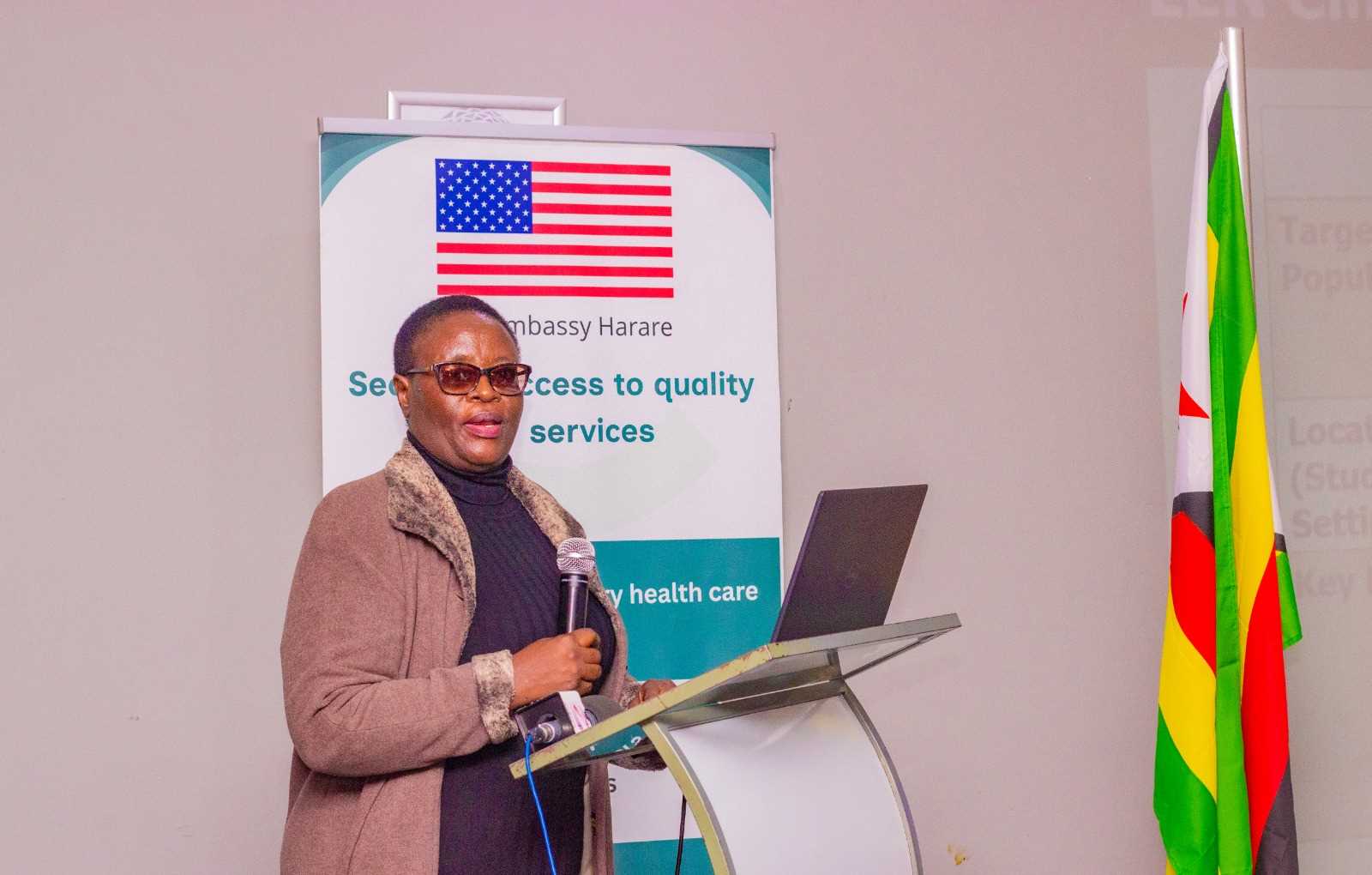
Speaking during a Ministry of Health and Child Care media training on lenacapavir and HIV prevention, facilitated by OPHID and HCF with support from the United States Government, the Ministry's HIV Prevention Officer, Dr Idah Moyo, said lenacapavir expands the range of HIV prevention choices already available.
"Different PrEP modalities are being delivered as additional options, adding onto already existing HIV prevention methods.
"Making informed choices means understanding the available options, their benefits and how they fit into each person's circumstances. The focus is on personal choice. People should be able to choose, without pressure, what works best for them," she said.
OPHID Technical Director Dr Pugie Chimberengwa said lenacapavir adds another important prevention option for people at risk of HIV infection.
"We have a basket of options that HIV-negative people can use when they understand they are at risk of contracting HIV. Healthcare workers screen them and then provide different options from which they can choose.
"The Ministry of Health and Child Care is using a phased implementation approach. Currently, lenacapavir has been rolled out at about 12 sites, and we will continue supporting its wider rollout."
He added that choosing lenacapavir does not mean someone is committed to using it permanently.
"People can stop using it or switch to another HIV prevention method if their circumstances change."
As of 7 May 2026, 1,478 people had started using lenacapavir. Women account for 67 percent of users, while men make up 33 percent. About 42 percent of clients switched from oral PrEP or Cab-LA.
Emily's experience demonstrates why offering different HIV prevention options is important.
What did not work for her may be the perfect choice for another woman. Others may prefer methods that require fewer clinic visits or fit better with their lifestyles.
Looking back on five years of trying different PrEP methods, she says she has no regrets.
Each method protected her when she needed it.
Today, however, she believes she has finally found the option that best fits her life.
She is now encouraging other women to learn about the different HIV prevention choices available and helping to dispel myths surrounding PrEP.









Leave Comments