









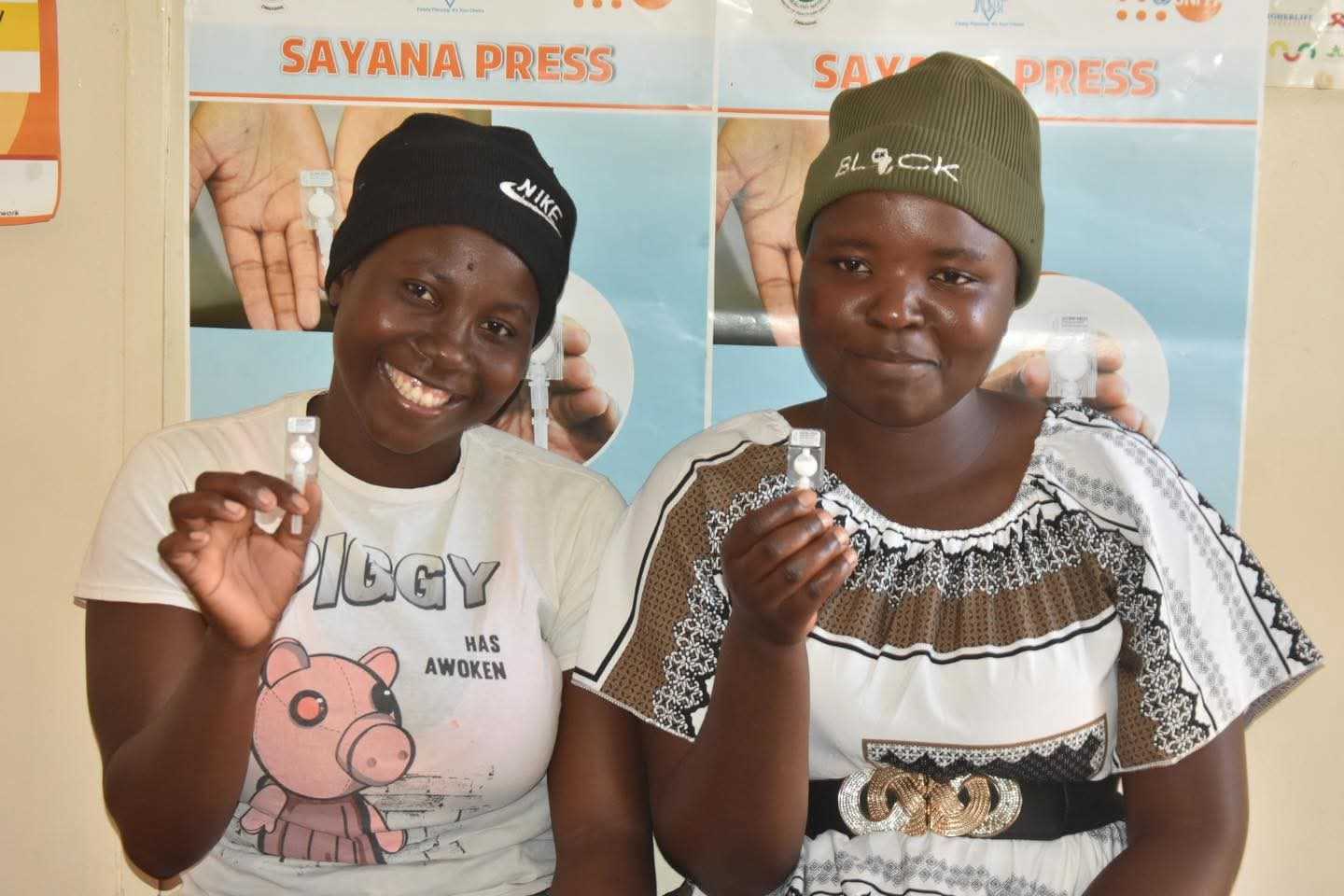
For many women in Zimbabwe's rural communities, the journey to family planning begins not at a clinic, but with a conversation.
In villages where myths, misconceptions and long distances have often discouraged women from seeking reproductive healthcare, community-based education is increasingly becoming the bridge between information and informed choice.
Although Zimbabwe has one of Africa's highest contraceptive uptake rates, disparities remain between urban and rural communities.
The 2023-24 Zimbabwe Demographic and Health Survey shows that the modern contraceptive prevalence rate among women increased to 53 percent, while the unmet need for family planning declined to about nine percent, reflecting steady progress in expanding access to reproductive health services.
However, rural women continue to experience greater unmet need than their urban counterparts because of information and access gaps.
The Zimbabwe National Family Planning Council (ZNFPC) has intensified community outreach programmes, including the Sayana Press Self-Care initiative and the Not in My Village campaign, which take reproductive health information directly into villages.
Instead of waiting for women to travel long distances to health facilities, health workers are engaging communities where they live, helping women understand modern contraceptive options and make informed decisions about their reproductive health.
Acting Chairperson of the Parliamentary Portfolio Committee on Budget and Finance Andrew Nkani said Parliament would engage the Ministry of Finance, Economic Development and Investment Promotion to prioritise funding for family planning and contraceptive commodities.
He said increased investment would help ensure that reproductive health services reach every community, including those in remote parts of the country.
Related Stories
"The discussions have highlighted the need to integrate family planning into broader national financing frameworks," he said.
Nkani stated that parliament's support was aimed at ensuring equitable access to family planning services across Zimbabwe.
"Parliament support is aimed at ensuring the sector benefits from health-related revenue streams while promoting equitable access to services across the country," he said.
ZNFPC Chief Executive Officer Farai Machinga said the organisation appreciates the government of Zimbabwe and the United Nations Population Fund for providing technical and financial support towards integrated family planning and sexual reproductive health services.
He stated that programmes such as Not in My Village are supporting youth-friendly services and empowering young people to make informed decisions about their reproductive health.
The growing emphasis on community education comes as national data shows that family planning is contributing to improved health outcomes.
According to UNFPA, Zimbabwe's modern contraceptive prevalence rate is approaching 69 percent among married women, while family planning programmes have helped avert hundreds of thousands of unintended pregnancies and thousands of maternal deaths.
Health workers continue taking reproductive health messages beyond clinic walls and into villages, the focus is increasingly shifting from simply providing contraceptives to ensuring that every woman and young person has the knowledge, confidence and support needed to make informed choices.
In many rural communities, access to accurate information is proving to be just as important as access to the health service itself.









Leave Comments