








The Infrastructure Development Bank of Zimbabwe has called for increased investment in circular agriculture and climate-resilient food systems as governments and development finance institutions across Eastern and Southern Africa seek solutions to mounting food security and climate challenges.
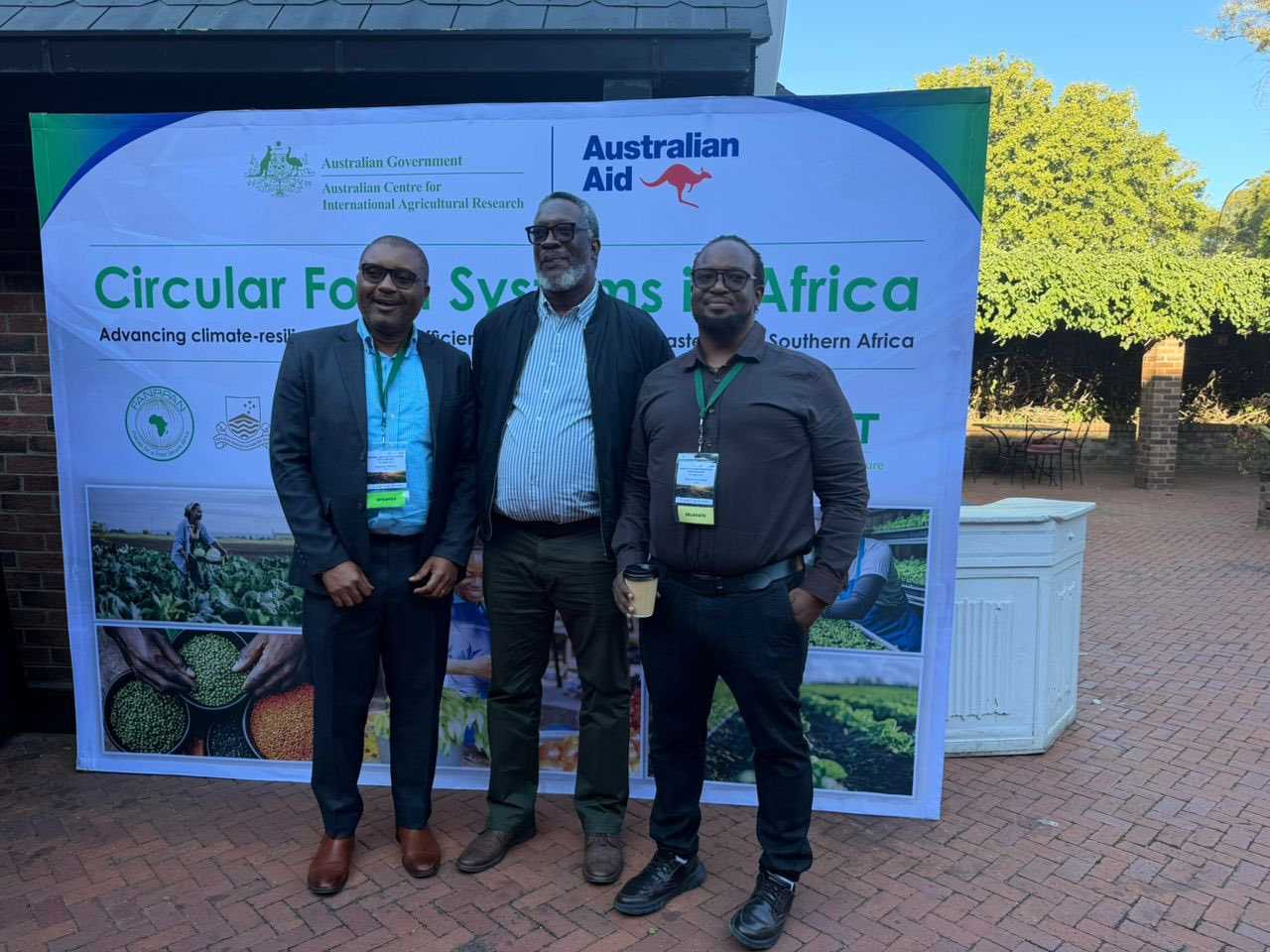
The bank is participating in the 2026 Regional Circular Food Systems Policy Dialogue in Bulawayo, where policymakers, researchers and development partners are discussing strategies to strengthen agricultural resilience and sustainability across the region.
“We are in Bulawayo at the 2026 Regional Circular Food Systems Policy Dialogue. Honoured to engage with policymakers, researchers and regional partners on building climate-resilient food systems across Eastern and Southern Africa,” IDBZ said.
The bank used the platform to highlight the role of innovative financing mechanisms and sustainable agribusiness models in transforming agriculture.
“The Bank shared insights on scaling circular agribusiness models, the power of blended climate finance and supporting MSMEs.”
According to IDBZ, development finance institutions have a critical role to play in mobilising investment towards sustainable agricultural transformation.
Related Stories
“As a DFI, our focus remains on unlocking green investment pathways to transform agricultural systems into resilient, resource-efficient engines of growth,” the institution said.
The dialogue comes as countries across Eastern and Southern Africa face increasing pressure from climate change, recurrent droughts, floods and rising food insecurity, all of which have exposed vulnerabilities within traditional agricultural systems.
Circular food systems, which emphasise resource efficiency, waste reduction, recycling and sustainable production methods, are increasingly being promoted as a pathway towards improving food security while reducing environmental impacts.
IDBZ stressed that regional cooperation would be essential in addressing shared agricultural and climate challenges.
“Regional challenges require regional solutions. Participating in this policy dialogue is a key opportunity for IDBZ to strengthen partnerships and identify investable, climate-smart agriculture projects.”
The focus on blended climate finance reflects growing efforts by development finance institutions to combine public, private and concessional funding sources to support projects that may otherwise struggle to attract commercial investment despite their developmental importance.
Zimbabwe has in recent years intensified efforts to promote climate-smart agriculture through irrigation development, conservation agriculture, renewable energy adoption and climate resilience programmes as the country seeks to strengthen food security and reduce vulnerability to weather-related shocks.






Leave Comments