






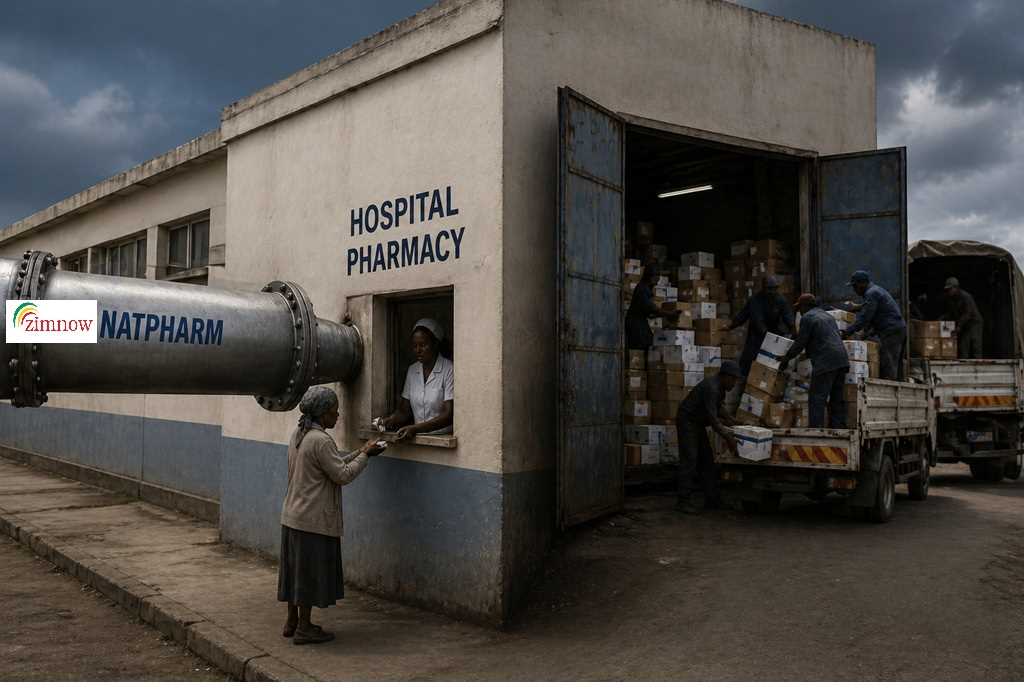
NatPharm has announced a ban on unauthorised vehicles transporting medicines, a move aimed at plugging leakages in Zimbabwe’s strained public health supply chain.
“We are strengthening controls in the supply chain and unauthorised movement cannot be allowed,” Health Permanent Secretary Dr Aspect Maunganidze told a recent Parliamentary Portfolio Committee on Health.
NatPharm has recently put general medicines availability at around 49 to 52 percent, while saying incoming deliveries covering nearly 400 product lines could lift that to 60 to 80 percent.
That raises a deeper question: are shortages driven only by under-supply, or also by leakages within the chain?
Persistent reports from public hospitals point to stock-outs of basic medicines, with some patients reportedly failing to access even paracetamol.
Related Stories
Auditor-General findings have added weight to concerns over losses and weak controls.
At Mpilo Central Hospital, auditors reported inventory discrepancies worth about $3.4 billion, including a variance of more than 27,000 units of latex gloves valued at roughly $633 million, and nifedipine discrepancies valued at over $1.1 billion. The report also flagged weak use of issue vouchers and inadequate reconciliation systems.
At Parirenyatwa, United Bulawayo Hospitals and Harare Central, successive audit findings have pointed to stock management weaknesses and incomplete controls over medicines and consumables.
The bigger question now is whether tighter controls on transport can plug a wider system of leakages, or whether the vehicle ban exposes deeper problems in how medicines are tracked from warehouse to bedside.







Leave Comments