





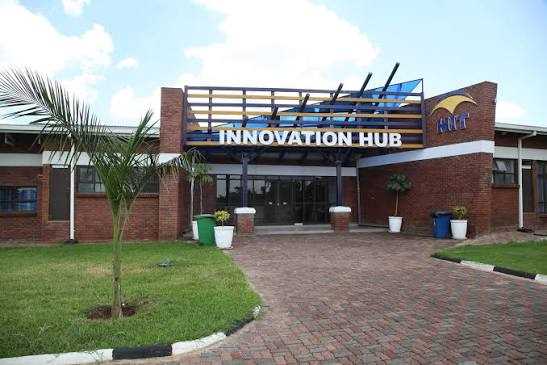
The High Court has dismissed an application by Burnett Motors Dealership (Private) Limited, trading as Creative Auto, and its directors Liam B. Burnett and C.W.J. Burnett, who were seeking the upliftment of a bar and an extension of time to oppose a court application filed by the Harare Institute of Technology.
The ruling was delivered by Justice Maxwell Takuva.
The dispute arose after HIT filed a court application on 27 November 2024, seeking either specific performance or restitution in lieu of performance under case number HCH 5400/24. Burnett Motors failed to file a notice of opposition and was subsequently barred in terms of the High Court rules.
The applicants argued that they were not personally served with the application and only became aware of it on 8 January 2025, when the company’s chief executive officer, Liam Barry Burnett, discovered an email thread between the firm’s former legal practitioners and HIT’s lawyers.
They claimed that the delay in filing opposition was minimal and reasonable, stating that they acted within four business days of learning about the matter. The applicants further asserted that they had good prospects of success, alleging that HIT had taken possession of vehicles despite payment having been made. They also argued that HIT would not suffer prejudice if the bar was uplifted.
HIT opposed the application, raising a point in limine that Burnett Motors had used the incorrect High Court form—Form 25 instead of Form 23—and argued that this non-compliance rendered the application a nullity.
Related Stories
HIT further contended that the applicants had been aware of the application through their former legal practitioners, Tamuka Moyo Attorneys, who had been instructed to receive service on their behalf. The institute produced emails and correspondence confirming proper service.
In addition, HIT argued that Burnett Motors had no prospects of success in the main matter, as it had failed to deliver vehicles that complied with importation requirements under the Customs and Excise Act. The vehicles were subsequently seized by authorities, resulting in financial prejudice to HIT, which manages public funds.
Justice Takuva dismissed the technical objection relating to the incorrect form, noting that while Form 23 is the prescribed form, the substance of Burnett Motors’ application was clear and did not mislead HIT. The court emphasised the importance of finality in litigation, stating that striking the matter off would only delay its resolution.
On the merits, Justice Takuva rejected Burnett Motors’ explanation for the delay, finding that it was based on falsehoods and lacked credibility.
The court accepted HIT’s evidence, including documents authored by the first applicant, and concluded that Burnett Motors had failed to honour its contractual obligations.
The High Court accordingly dismissed Burnett Motors’ application for the upliftment of the bar and extension of time.
The applicants were ordered to pay costs on an attorney-and-client scale, jointly and severally.




Leave Comments