






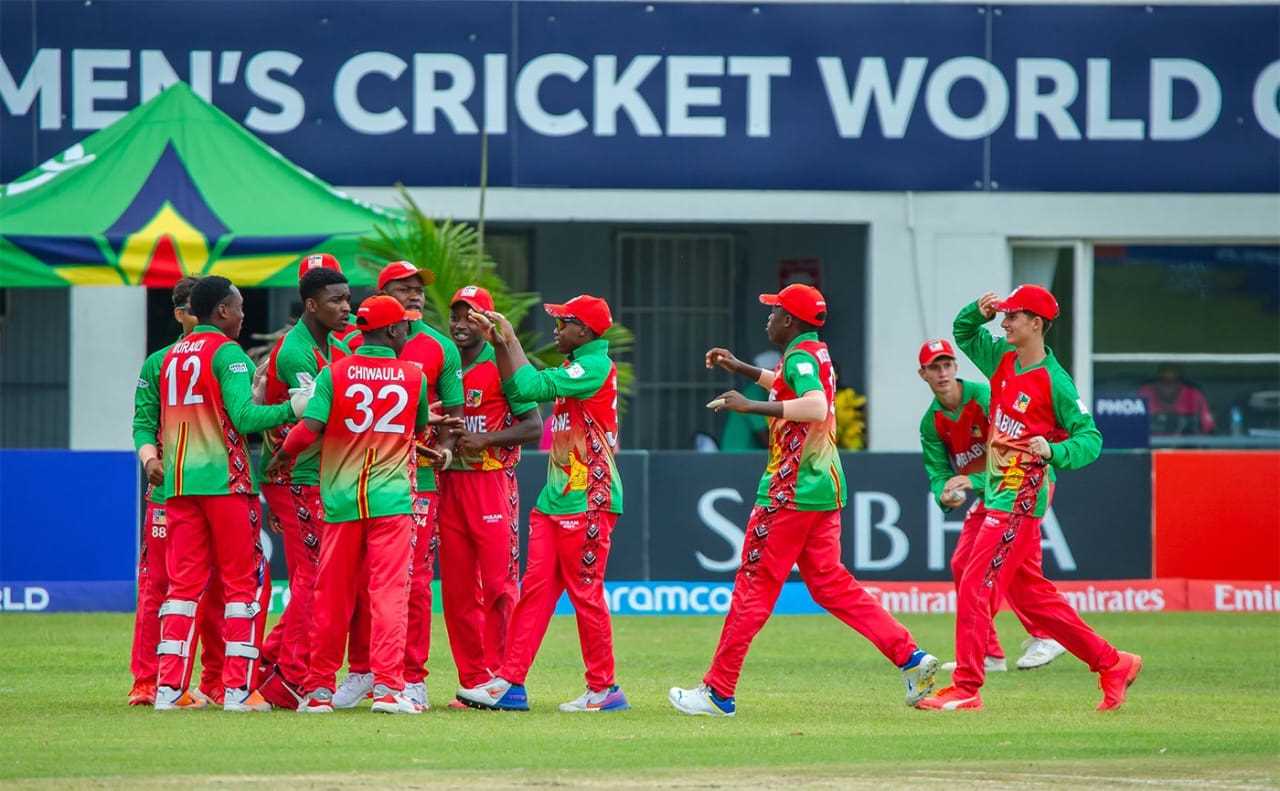
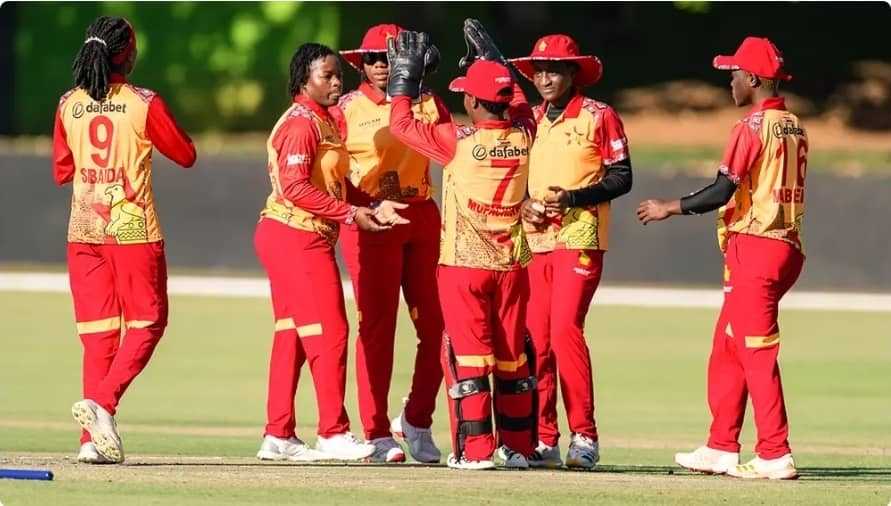
Zimbabwe’s ICC Men’s Under-19 Cricket World Cup 2026 campaign ended in disappointment after a heavy defeat to defending champions India, a result that sealed the young Chevrons’ elimination from Super Six Group 2 and ended hopes of a semi-final appearance.
India underlined their dominance with a clinical all-round performance, restricting Zimbabwe to a modest total before cruising to victory. The loss confirmed Zimbabwe’s exit alongside Bangladesh and New Zealand, while India moved to the top of the group standings.
England have also emerged as strong contenders, with Pakistan the only side still capable of disrupting the final semi-final picture.
While Zimbabwe showed flashes of promise earlier in the tournament, the Super Six stage exposed shortcomings in consistency and depth against elite opposition. The gap was most visible in the batting department, where Zimbabwe struggled to build partnerships or apply sustained pressure on top-tier bowling attacks.
Beyond the on-field outcome, the early exit has reignited long-standing debates around governance and player selection within Zimbabwean cricket.
Allegations of nepotism, favouritism and corruption resurfaced almost immediately, with fans and analysts questioning whether the selection system consistently identifies and develops the country’s best available talent.
Related Stories
One social media user, Given Gboy, criticised the perceived lack of accountability, saying authorities had repeatedly ignored concerns raised by supporters. Others turned their attention to the technical setup, with calls for scrutiny of the coaching structure following repeated batting failures at a basic level.
“There are serious issues with coaching,” wrote Tadiwanashe, arguing that poor footwork and fundamentals pointed to systemic weaknesses rather than individual mistakes, despite acknowledging promising performances from a few players during the tournament.
Concerns were also raised about talented players being overlooked and eventually seeking opportunities abroad. Terrence Chahwanda claimed deserving players were being sidelined, while mediocrity was tolerated, warning that Zimbabwe’s youth teams may not reflect the country’s true cricketing potential.
Calls for accountability extended to fears that similar issues could resurface at senior level. Pardon Paddy Kahari warned that selectors would be “exposed again” unless meaningful reforms were introduced.
Others, however, argued the problem runs deeper than selection politics. Oscar Nyakutsikwa pointed to structural challenges, saying Zimbabwe’s youth players lack exposure to competitive leagues, modern facilities and sustained investment, leaving them far behind better-resourced cricketing nations.
Zimbabwe Cricket has previously denied allegations of bribery or manipulation in selection processes, and no official investigations have been made public.
However, repeated struggles on the global stage continue to intensify calls for greater transparency, stronger development pathways and independent oversight within the game.





Leave Comments