




Simbarashe Namusi
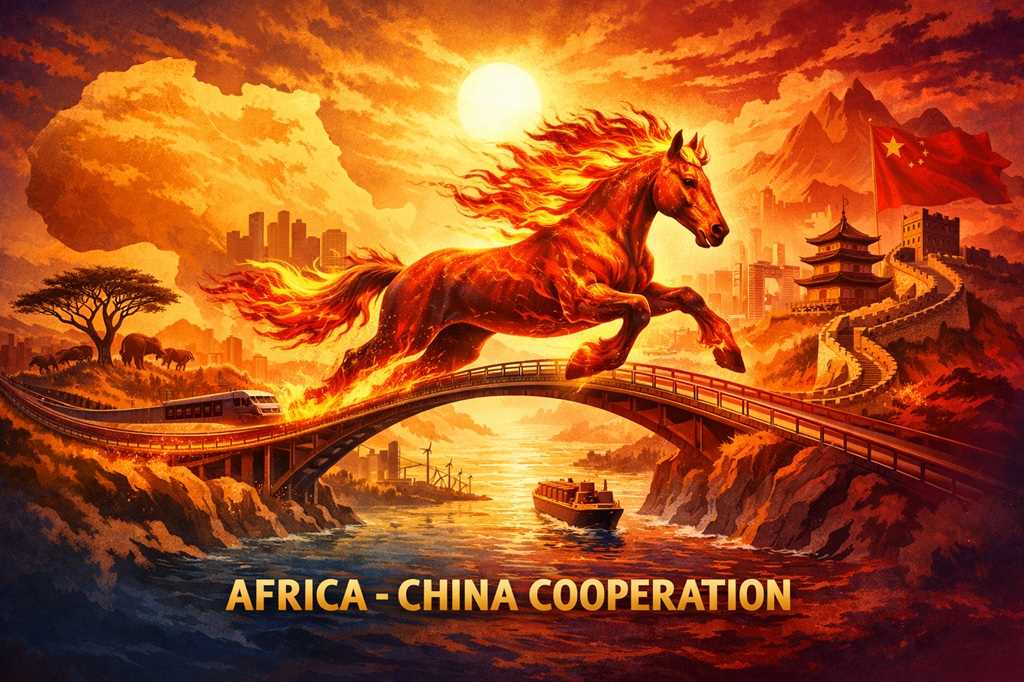
As Africa and China move from the declarations of the latest Forum on China–Africa Cooperation into implementation mode, 2026 arrives under the symbolism of the Year of the Fire Horse.
In Chinese tradition, the Fire Horse represents energy, decisiveness, ambition, and forward motion—tempered by discipline and foresight. It is a fitting metaphor for the post-FOCAC moment: one defined less by speeches and pledges and more by delivery, credibility, and measurable outcomes.
For over two decades, FOCAC has provided the central architecture of Africa–China engagement. Through successive cycles, the partnership has expanded rapidly in scale. Roads, railways, ports, power stations, industrial parks, and digital infrastructure have reshaped parts of the continent’s economic geography.
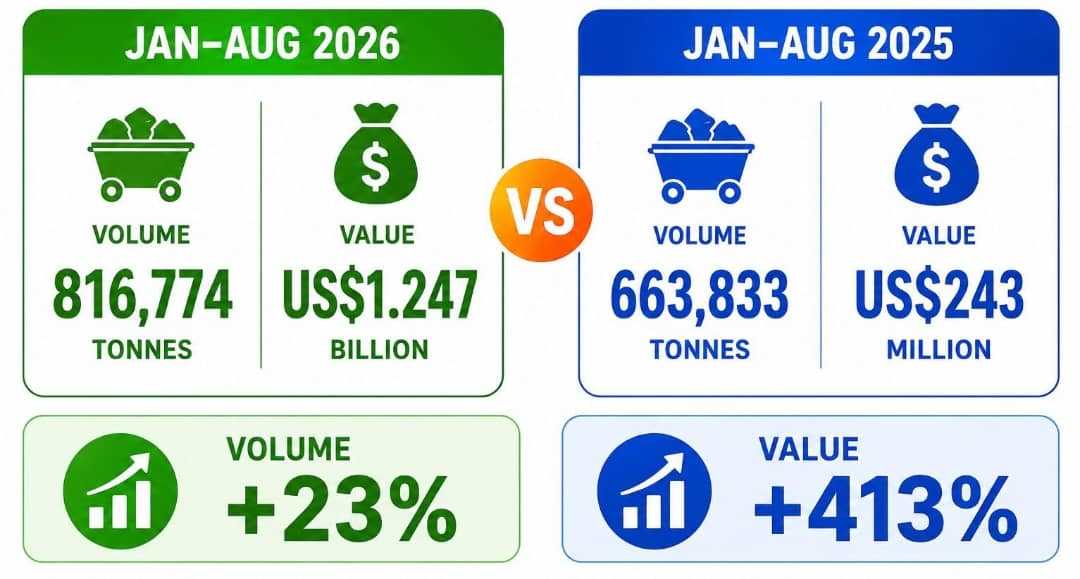
Trade volumes have grown, educational exchanges have deepened, and Chinese finance and enterprise have become embedded features of African development planning.
Yet FOCAC’s very success has produced a new and more exacting test. By 2026, the defining question for Africa–China relations is no longer how much cooperation can be mobilized, but whether that cooperation is structurally transformative. Quantity laid the foundations of the partnership. Quality will now determine its durability.
African governments are increasingly explicit about what they expect from post-FOCAC implementation. Infrastructure remains important, but it is no longer sufficient on its own. Emphasis has shifted toward industrialization, domestic value addition, job creation, skills transfer, and technological capability.
External partnerships are now assessed by how effectively they strengthen local production systems, deepen human capital, and enhance long-term economic resilience, not simply by the visibility of completed projects.
This marks a significant evolution in Africa’s approach to engagement. The continent enters the post-FOCAC phase with greater confidence and clearer priorities. The era of accepting investment on any terms is steadily giving way to more selective, strategic cooperation. That shift reflects institutional learning, demographic pressure, fiscal constraints, and rising public scrutiny across African societies.
For China, this moment represents less a disruption than an inflection point. Mature partnerships require recalibration. After years of rapid expansion, consolidation becomes both inevitable and prudent. The emphasis on “high-quality development” in China’s Africa policy discourse is therefore not a rhetorical adjustment but a practical necessity. Sustainability, predictability, and local integration are now central to safeguarding economic returns and political goodwill alike.
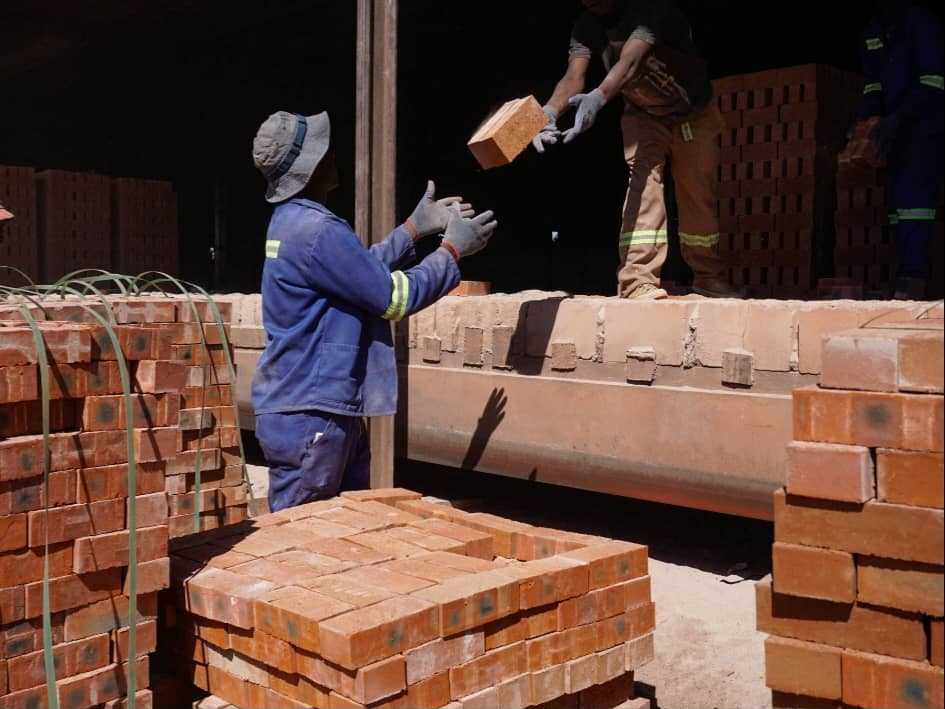
The true test of post-FOCAC commitments lies at the project level. Chinese enterprises operating in Africa are discovering that delivery speed alone no longer guarantees success. Projects that prioritize workforce localization, skills transfer, environmental compliance, and transparent engagement with host communities tend to prove more resilient.
Related Stories
Those that neglect local context increasingly encounter delays, resistance, or reputational costs, risks that neither African governments nor Chinese financiers are eager to absorb.
Encouragingly, signs of adaptation are visible. Industrial zones aligned with logistics corridors, renewable energy investments linked to national energy-transition plans, vocational training programs designed around project needs, and strengthened public health cooperation all point to a more integrated approach.
These models support Africa’s ambition to move up regional and global value chains, while offering Chinese firms more stable and predictable operating environments.
At the same time, the post-FOCAC phase unfolds within a crowded and often polarized global context. External actors frequently frame Africa as a theater of geopolitical competition rather than as a strategic actor with agency and choice. African states have consistently rejected this framing. The continent’s position remains one of strategic autonomy, diversified partnerships, and constructive multilateral engagement.
China’s long-standing emphasis on sovereignty and non-interference continues to resonate with African policymakers. However, in the current climate, trust is increasingly shaped by implementation practices rather than principle alone. Transparency, communication, and responsiveness during execution now matter as much as summit language, particularly as African publics, parliaments, courts, and media exercise greater oversight over development partnerships.
This is where the Fire Horse metaphor sharpens. Momentum is valuable, but unmanaged momentum can generate friction. Africa is not monolithic. Its political systems, social expectations, and development pathways vary widely.
Youth participation, media scrutiny, and civic engagement are reshaping how large-scale projects are perceived and contested. Post-FOCAC cooperation frameworks that recognize this complexity and engage beyond executive offices are more likely to endure.
Crucially, Africa–China relations extend beyond economics. Educational exchanges, cultural cooperation, health initiatives, peace and security engagement, and coordination in multilateral forums remain central pillars of the partnership. African students in Chinese universities, Chinese medical teams in African communities, and shared positions on development and global governance continue to humanize what might otherwise appear purely transactional.
As 2026 advances, the post-FOCAC moment calls for sobriety rather than celebration. Africa’s expectations are clearer than ever: cooperation defined by respect, responsiveness, and reliability. China, in turn, can expect partnerships that are pragmatic, stable, and anchored in shared development outcomes. A mature Africa–China relationship is not one free of negotiation or recalibration, but one capable of managing both with confidence and clarity.
If the Fire Horse symbolizes motion, wisdom must now guide its course. In the years after FOCAC, energy anchored in strategic alignment and mutual accountability will determine whether ambition translates into lasting transformation—or dissipates in the familiar gap between pledge and practice.

Simbarashe Namusi is a peace, leadership, and governance scholar as well as a media expert. He writes in his personal capacity






Leave Comments