






The Coca-Cola system contributed US$3.6 billion to economic activity across the Common Market for Eastern and Southern Africa (COMESA) in 2024 and supported more than 458,200 jobs, according to a new study.
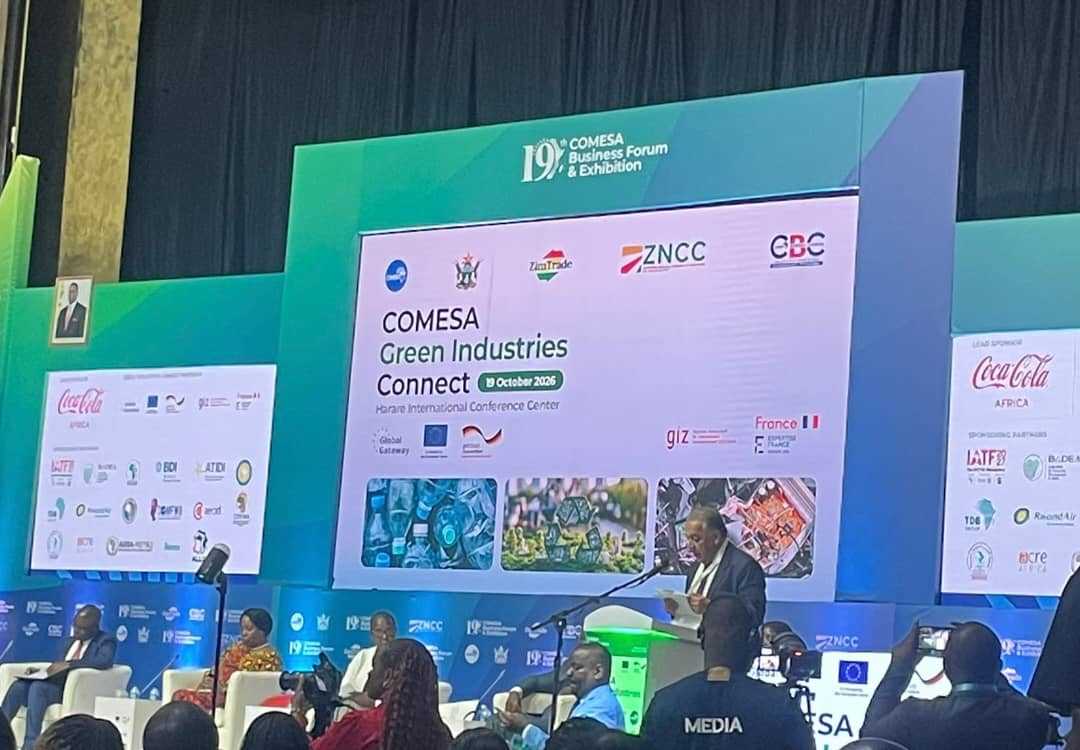
The findings were announced on Monday during the 19th COMESA Business Forum in Harare, where business leaders and other stakeholders gathered to discuss trade, investment and economic growth in the region.
The study, conducted by global consultancy Steward Redqueen, looked at the economic contribution of Coca-Cola and its network of bottlers, suppliers, distributors and retailers across COMESA's 21 member countries.
According to the report, the company's contribution was equal to 0.3 percent of the region's combined Gross Domestic Product (GDP), which is the total value of goods and services produced in an economy.
The study also found that Coca-Cola's activities supported more than 458,200 jobs, both directly and indirectly. These jobs are linked to industries such as farming, manufacturing, transport, retail and other services.
Luis Felipe Avellar, President of Coca-Cola's Africa Operating Unit, said the findings showed the importance of local businesses and partnerships in supporting economic growth.
“As this study shows, the Coca-Cola system continues to deliver substantial economic impact in COMESA, creating opportunities through local partnerships, investments, and supply chains,” he said
He said the company's operations create opportunities for people and businesses through investment, partnerships and supply chains.
Avellar added that “For every direct job created by the Coca-Cola system in COMESA, an additional 28 jobs are supported throughout the regional economy,” noted Avellar.
Related Stories
The study also highlighted the company's spending on local suppliers. In 2024, Coca-Cola spent almost US$1.5 billion on goods and services from suppliers within COMESA member countries.
This spending benefited businesses involved in sugar production, packaging, manufacturing and logistics. It also helped create demand for locally supplied goods and services.
Alfred Olajide, Coca-Cola's Vice President for East and Central Africa Operations, said the company's role went beyond producing and selling beverages.
“The Coca-Cola system operates as a critical economic engine across the COMESA region, empowering local suppliers, retailers, and distributors to thrive,” he said
He said the business also supported local suppliers, retailers and distributors, while creating opportunities for innovation and cooperation across the region.
Beyond its economic contribution, Coca-Cola is also involved in water-related projects in Africa. The company has a nearly US$25 million Africa Water Stewardship Initiative aimed at addressing water challenges across 20 African countries by 2030.
The study used an economic model that examined the company's business activities, purchases from local suppliers and links with other industries to estimate its wider impact on the regional economy.





Leave Comments