


Zimbabwe’s political culture continues to attach authority to age and masculinity, making it harder for young women to be accepted as leaders, a gender and electoral participation engagement in Harare has heard.
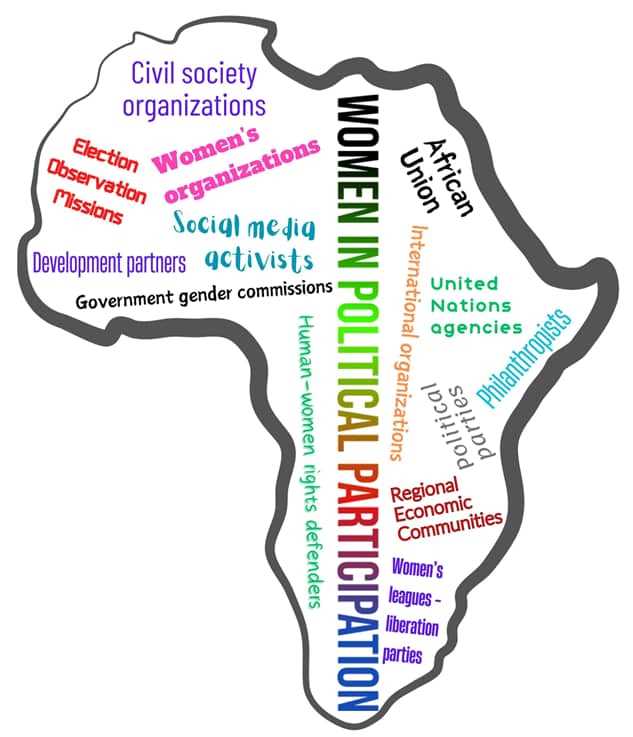
The issue was raised during the Zimbabwe Electoral Commission-CSO Engagement on Gender Equality and Stakeholder Relationship Building, where civil society organisations, constitutional commissions, women’s and disability rights groups, Government institutions and other electoral stakeholders examined barriers affecting women’s participation in elections and political leadership.
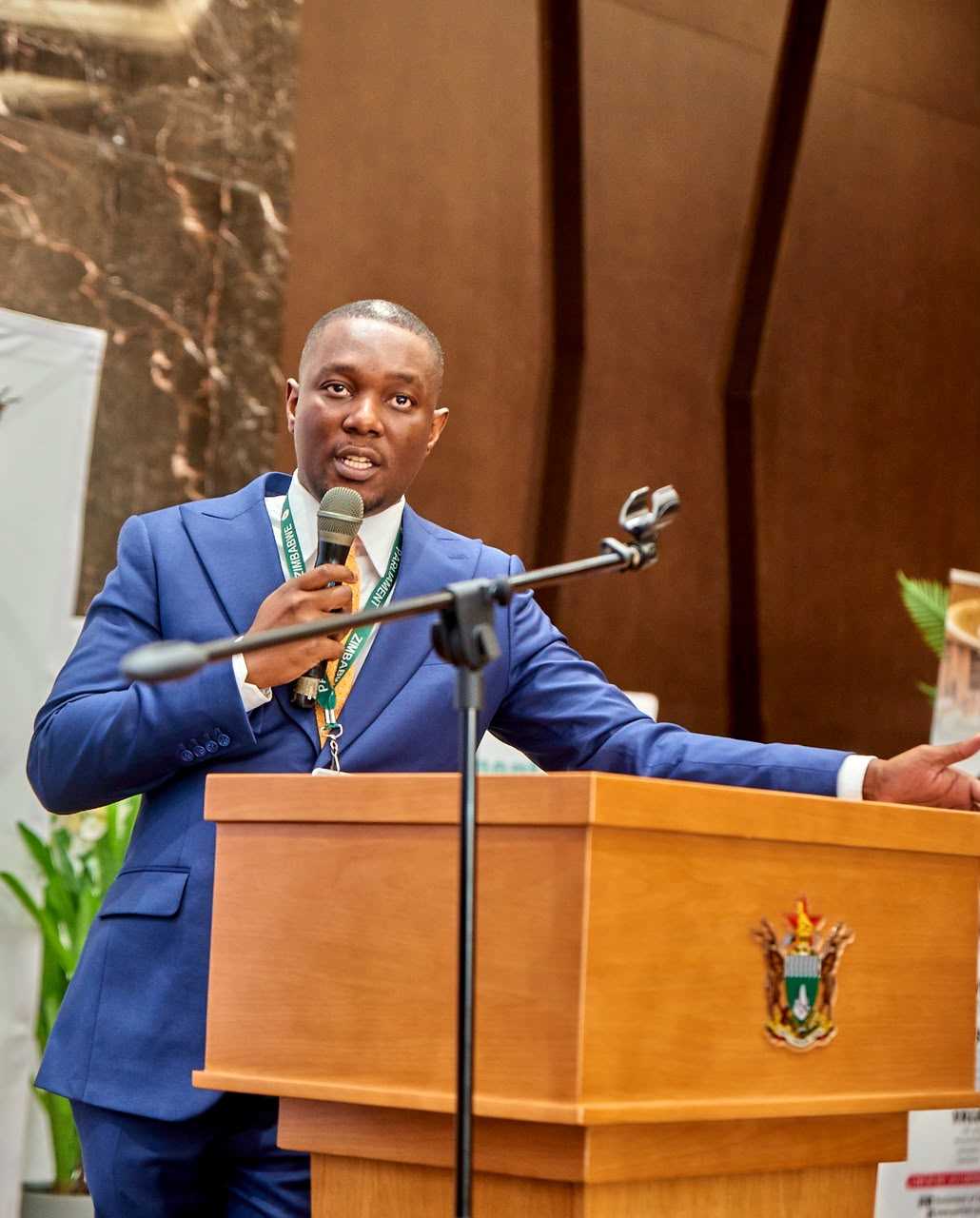
During a power-analysis session, Institute for Young Women Development representative Kudakwashe Munemo examined how families, education, religion, culture, laws, the media and everyday language shape perceptions of who should lead.
Munemo challenged the idea that women naturally work against the advancement of other women, arguing that such attitudes are instead produced through patriarchal socialisation.
He also drew attention to the way leadership is commonly associated with older men, arguing that titles, expectations and social perceptions of authority can disadvantage young women before they even enter political contests.
The issue is not confined to formal politics. Research into the experiences of female traditional leaders in Zimbabwe has documented instances of young women being questioned or disregarded because of their age, with one female chief saying it was already difficult to lead as a woman and that being young made it harder because communities could view a young woman as having no authority over elders.
Another female traditional leader interviewed in the research said: “No matter how brilliant you are, no matter how much authority you have, if you are a young person, the older generation will always demand a level of respect that sometimes conflicts with the demands of your leadership position.”
The same research also captured the gendered double standard surrounding age, with a female traditional leader questioning why older men are often regarded as gaining wisdom with age, while older women can be portrayed as incapable of making rational decisions.
Related Stories
The experiences point to a broader problem for young women seeking political office: their authority can be assessed not only on their ideas and qualifications, but also through expectations about age, gender and traditional hierarchies.
The Zimbabwe Election Support Network has previously raised concerns about the under-representation of young women, noting in 2024 that only three of the 10 youth-quota MPs elected to the National Assembly were women. ZESN called on political parties to adopt affirmative measures to promote young women in leadership positions and as electoral candidates.
Munemo’s intervention also questioned assumptions about what constitutes political seriousness, particularly where young people and women are concerned.
“A candidate’s seriousness should be measured by their ideas, integrity and commitment to public service, not simply by their ability to pay prohibitive fees,” Munemo said, calling for ZEC to be directly involved in reviewing nomination fees and exploring alternatives to high financial thresholds affecting women, young people and persons with disabilities.
But the discussion placed those financial barriers within a wider system in which women have to overcome social expectations as well as the practical costs of entering politics.
IYWD has attempted to address part of that gap through its Vote Run Lead Reloaded campaign, which provided leadership, mentorship and accompaniment to 80 women candidates across the political divide ahead of the 2023 elections.
According to IYWD, 44 of the women supported successfully filed their nomination papers, with 14 subsequently elected to the National Assembly and 13 becoming local government councillors.
The organisation also petitioned Parliament in 2022 against increased candidate nomination and electoral information fees, arguing that the cost of electoral participation could create another barrier for prospective candidates.
The experience has reinforced an argument increasingly being made by gender and electoral rights organisations: preparing women to contest elections does not, by itself, change the environment into which they are entering.



Leave Comments