



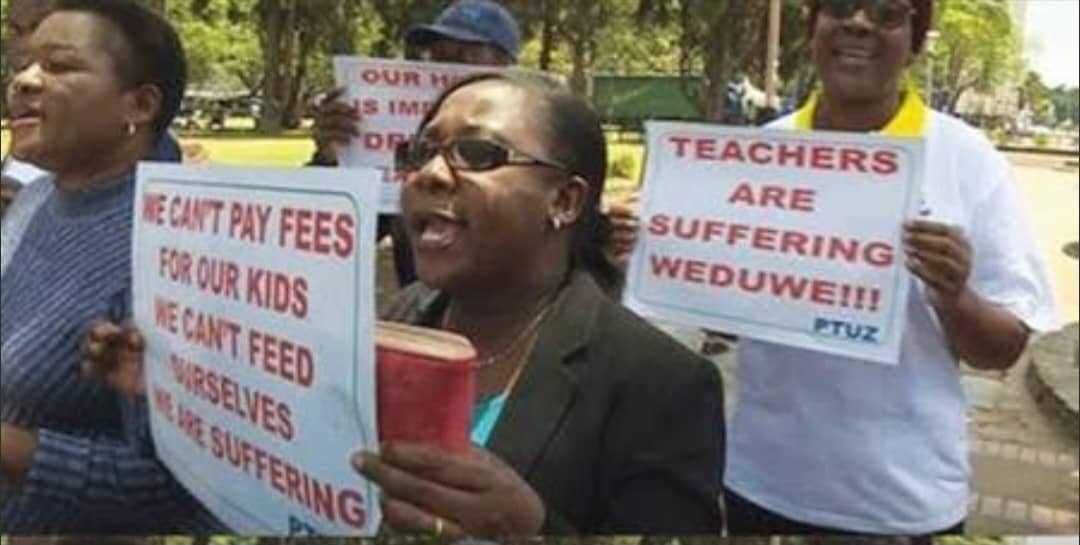



The Amalgamated Rural Teachers Union of Zimbabwe (ARTUZ) has accused the Government of abdicating its responsibility to fund public education, warning that low teacher salaries, examination fees, underfunded learner-support programmes and deteriorating school infrastructure are pushing the education system towards deeper inequality.
The union made the allegations in a statement issued ahead of the reopening of schools today, September 8, rejecting the Ministry of Primary and Secondary Education’s call for “collective responsibility” in delivering quality and equitable education.
ARTUZ said the Government was increasingly transferring the financial burden of education onto struggling households and poorly paid teachers.
“Education is a public good, not a private burden, and teachers cannot perform miracles in a starved system,” the union said, arguing that Sections 27 and 75 of the Constitution place responsibility for education on the state.
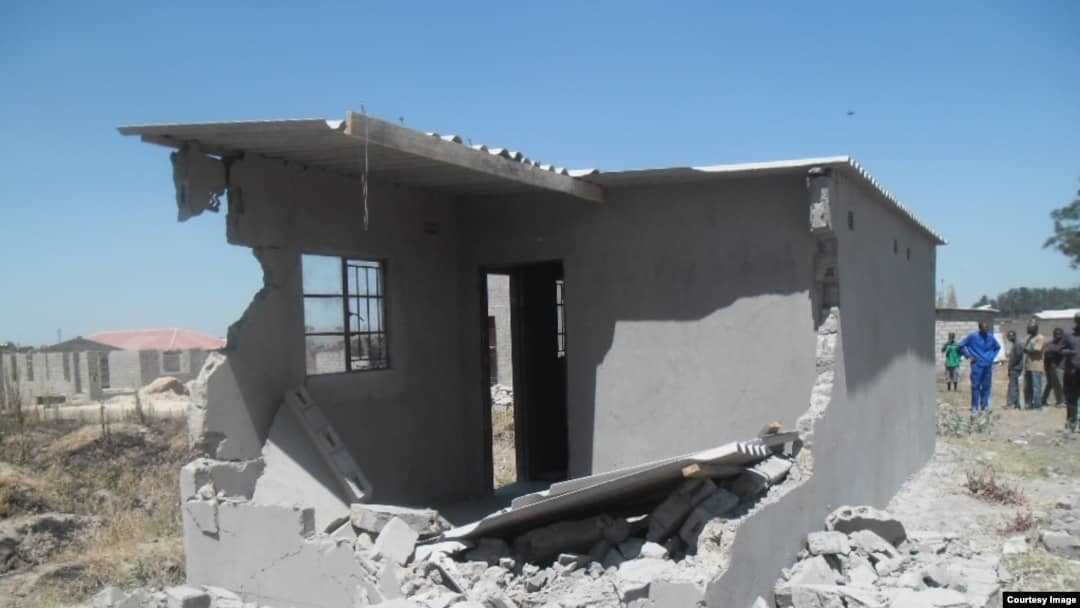
The union said the crisis was being driven by three interconnected failures: the deterioration of the teaching profession, inadequate support for learners and the collapse of school infrastructure.
ARTUZ said teachers were earning a stipend of about US$320 plus ZWG6,000, which it claimed was less than a quarter of the monthly Poverty Datum Line, which it placed at more than US$1,260.
The union said the wage gap was forcing teachers into the informal economy to supplement their incomes, exposing them to dangerous forms of work.
It cited the recent death of a teacher in Buhera in an artisanal mining accident as an example of the consequences of what it described as “wage suppression”.
ARTUZ also attacked the Government’s job evaluation framework, claiming teachers had been downgraded from Band D to Grade C3/C4 under the new grading structure.
According to the union, the system fails to adequately differentiate between teachers based on qualifications, experience and administrative responsibilities, potentially weakening incentives for professional advancement and retention.
The union further claimed that depressed salaries had pushed many educators into heavy indebtedness, with some teachers left with little or no disposable income after loan repayments.
It also called for reforms to the Government Employees Mutual Savings Fund, arguing that workers should not be subjected to high borrowing costs when accessing funds from a scheme to which they contribute.
Related Stories
Beyond salaries, ARTUZ said the financial pressures facing teachers were also affecting their families, highlighting the cost of childcare as an overlooked component of the remuneration crisis.
The union called for Government-sponsored care centres for infants of public-sector employees.
On labour rights, ARTUZ accused the state of failing to align the Public Service Act with constitutional protections for collective bargaining and industrial action, saying this had weakened teachers’ ability to negotiate their working conditions.
The union also raised concerns over political interference in schools, alleging that partisan structures and political activities were diverting resources and disrupting learning.
ARTUZ claimed that structures such as “Teachers for ED” were using public levies for partisan activities, while school infrastructure and buses were allegedly being used for political events.
The allegations come as schools open for the third term, placing renewed focus on whether Zimbabwe’s public education system has sufficient resources to deliver the outcomes demanded by the curriculum.
ARTUZ also turned its attention to examination costs, arguing that the price of national examinations was creating another layer of exclusion for poor households.
The union said ZIMSEC charges of US$24 per subject meant families could face between US$120 and US$200 for examination registration, depending on the number of subjects.
It claimed approximately 390,000 learners sit Grade 7 examinations annually, but that fewer than 200,000 candidates reach Form Four and register for the standard five-subject minimum.
ARTUZ argued that the difference represented a major education-system leakage and warned that financial exclusion, rather than academic ability alone, could be preventing thousands of young people from obtaining secondary qualifications.
The union also linked examination performance to the wider deterioration of learning conditions, citing shortages of textbooks, reduced contact hours and demotivated teachers.
It further criticised conditions for teachers recruited as ZIMSEC examiners, alleging inadequate accommodation, delayed allowances and poor remuneration.
ARTUZ said the Government could not simultaneously demand improved educational outcomes while failing to adequately fund the people and institutions responsible for delivering and assessing education.







Leave Comments