







Zimbabwe is projecting a strategic grain surplus of up to 964,945 metric tonnes after national maize production rose by 17.1 percent this season, with Agriculture Minister Anxious Masuka saying changing food preferences could also be reshaping the country's cereal requirements.
The projection is contained in the Government's update on the 2025/2026 summer crops marketing season and the 2026 winter crops production plan.
According to the Second Round of the Crops, Livestock and Fisheries Assessment Report, Zimbabwe is expected to record a strategic grain surplus ranging from 550,945 tonnes to 964,945 tonnes, depending on the cereal consumption rate used.
Minister of Information, Publicity and Broadcasting Services Soda Zhemu said the lower surplus estimate is based on consumption of 10 kilogrammes of cereals per person per month, while the higher figure is based on 7 kilogrammes per person per month.
“Based on the Second Round of the Crop, Livestock and Fisheries Assessment Report, the country is expecting a surplus strategic grain reserve ranging between 550 945 metric tonnes and 964 945 metric tonnes, at consumption rates of 10 kilogrammes and seven kilogrammes per person per month, respectively,” Zhemu said.
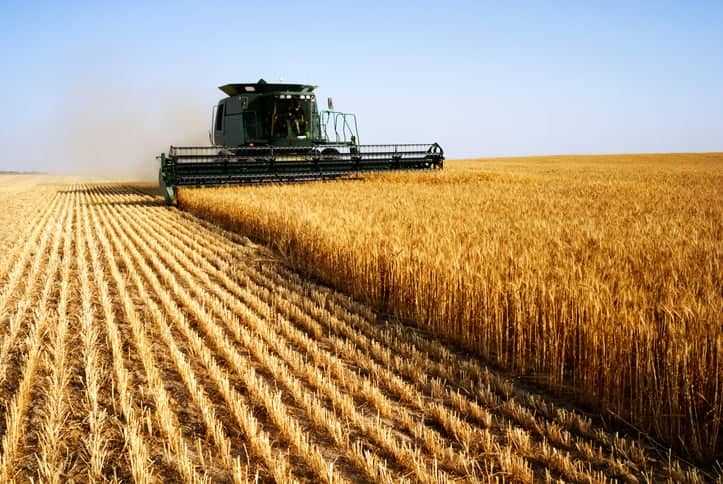
The projected surplus comes after national maize production increased from 2,293,556 tonnes in 2025 to 2,685,021 tonnes in 2026, representing a 17.1 percent increase.
The area planted to maize also expanded from 1,813,974 hectares to 1,963,292 hectares, an increase of 8.2 percent.
The Government said the increase was driven by both higher productivity and an expansion in the planted area.
“This demonstrates that initiatives under the Food Systems and Rural Transformation Strategy 2 are working as intended and that the targets are on course to be achieved,” Zhemu said.
Government grain stocks held by the Grain Marketing Board stood at 252,177 tonnes as of August 19, while deliveries during the 2025/2026 marketing season were 126 percent above those recorded during the previous season.
Mashonaland West accounted for 50.1 percent of GMB intake.
But Masuka's comments suggest that the size of Zimbabwe's future grain requirement cannot be determined by production figures alone.
The Agriculture Minister said Government's planning has traditionally assumed that each person consumes 120 kilogrammes of cereals annually, but surveys indicate actual consumption is substantially lower.
“While planning assumes 120 kgs of cereals per person annually, surveys show actual consumption at 92 kgs,” Masuka said.
Related Stories
He said consumer preferences were also changing, with rice and Irish potatoes becoming increasingly important sources of starch.
“15% of Zimbabweans now consider rice and Irish potatoes their staple starch,” Masuka said.
“Youth and working women increasingly prefer these alternatives, creating changing consumption patterns,” he added.
The shift could have implications for how Government calculates future cereal requirements and manages the strategic grain reserve.
Rather than assuming that maize consumption will remain constant, the changing preferences point to a food market in which consumers are increasingly diversifying their sources of starch.
Masuka also said Zimbabwe had become self-sufficient in potato production.
Government's crop assessment supports the expansion of the potato sector. Cabinet reported that 9,000 hectares had been planted to Irish potatoes, with production expected to reach 243,850 tonnes.
The winter crop programme is also showing progress in other areas. Wheat planting had reached 106 percent of the target, while 7,013 hectares had been planted to barley.
The stronger maize harvest is accompanied by improvements in grain deliveries to the formal marketing system. Government said the GMB had no outstanding farmer payments for the 2024/2025 marketing season and that arrangements had been put in place to ensure timely payments during the current season.
Tobacco volumes have increased only marginally. By August 18, farmers had sold 358.4 million kilogrammes at an average price of US$2.49 per kilogramme, compared with 354 million kilogrammes at an average of US$3.32 per kilogramme in 2025.
That means tobacco volumes increased by about 1 percent, while the average selling price fell by roughly 25 percent.
Tobacco exports have nevertheless remained strong, with cumulative exports reaching 138.25 million kilogrammes valued at US$791.85 million by August 19.
For maize, however, the immediate outlook is significantly stronger. Production has risen, planted area has expanded, GMB deliveries have increased, and the Government is projecting a strategic reserve surplus that could approach one million tonnes under the lower consumption assumption.
Masuka's consumption figures add another layer to that outlook: if actual cereal consumption is closer to 92 kilogrammes per person annually than the 120 kilogrammes used for planning, and if more consumers continue shifting towards rice and potatoes, the country's future grain requirements could differ significantly from traditional projections.







Leave Comments