






Zimnow News Desk
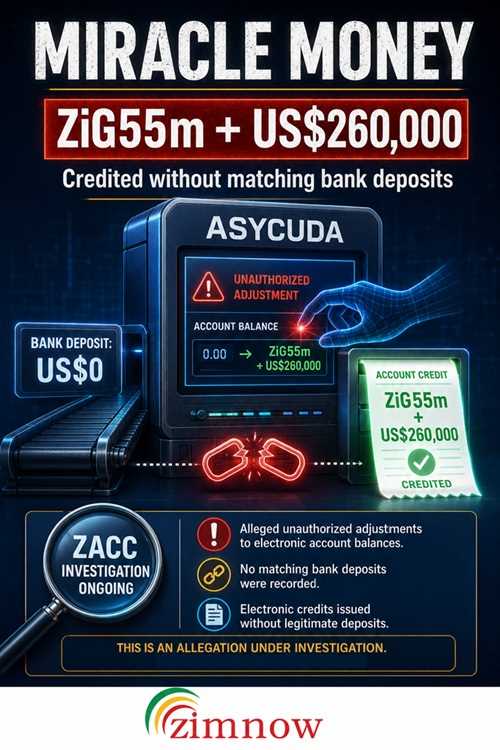
More than ZiG55 million and US$260,000 were allegedly credited to clearing agents’ ZIMRA accounts without corresponding deposits reaching the tax authority’s bank accounts.
Zimbabwe’s anti-corruption authority is investigating a suspected cyber scam racket in which clearing agents’ ZIMRA accounts were allegedly credited with more than ZiG55 million and US$260,000 that had not been deposited into the tax collector’s bank accounts.
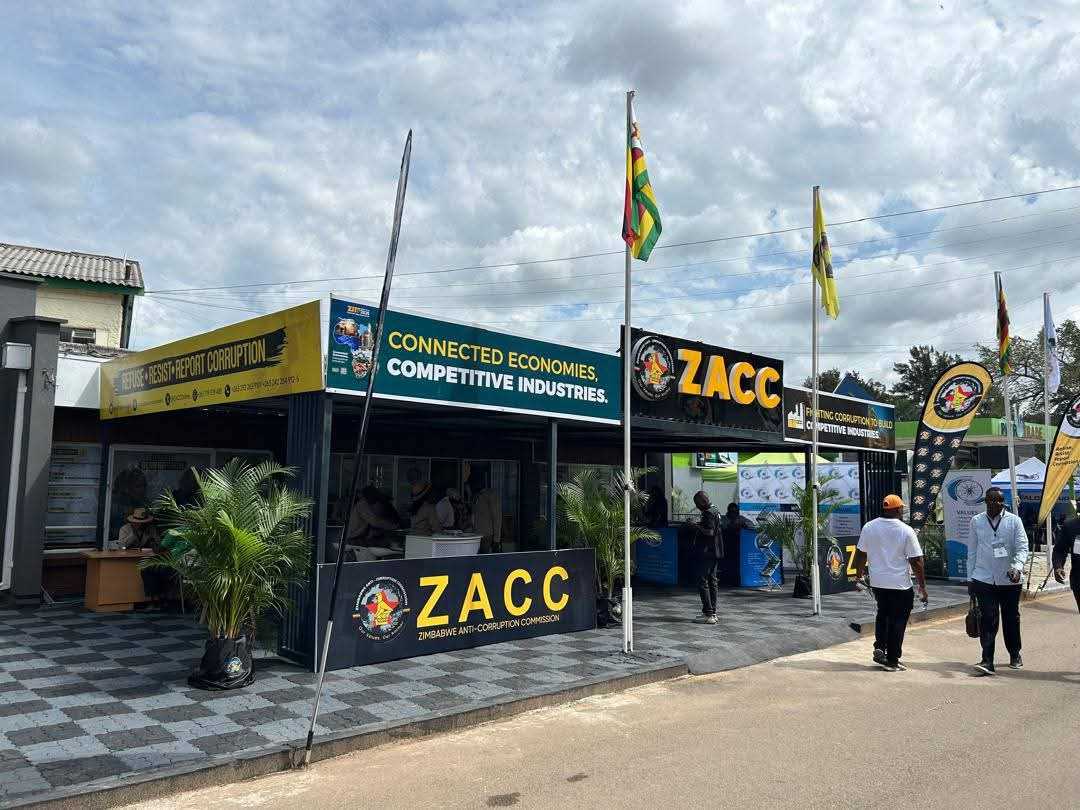
Zimbabwe Anti-Corruption Commission chairperson Michael Reza disclosed the investigation while addressing the International Anti-Corruption Research Conference in Bulawayo.
The suspected fraud involved unauthorised updates to prepayment accounts operated through the Zimbabwe Revenue Authority’s Automated System for Customs Data, commonly known as ASYCUDA.
Clearing agents use the accounts to pay customs charges when processing goods. Under the alleged scheme, account balances were electronically increased without matching deposits appearing in ZIMRA’s bank accounts.
The credits could therefore be used to process customs transactions although the corresponding money had not been received by the tax authority.
Reza said ZACC was investigating how the fictitious credits were entered and who benefited from them. The commission has not disclosed how many clearing agents or ZIMRA employees are implicated, when the transactions occurred or whether any of the money has been recovered.
Related Stories
The investigation comes as Zimbabwe moves more public services onto digital platforms intended to reduce cash handling, improve efficiency and create traceable records.
ZACC says employees and syndicates are increasingly manipulating institutional systems to bypass established procedures and divert public resources.
Other cases cited by the commission include the alleged manipulation of the Vehicle Inspection Department’s licensing system. Two VID data capture clerks have been arrested over allegations that approximately 500 people received learner’s licences or certificates of competency without undergoing mandatory tests. Investigators say accounts belonging to other officers were used to authorise transactions and generate fake payment receipts. The documents were valued at approximately US$1 million, although ZACC has not publicly explained how that figure was calculated.
ZACC also referred to the older NetOne airtime case involving former cashier Daniel Kalira, who was arrested in 2022 over allegations that he manipulated airtime inventory records and diverted vouchers worth approximately ZWL$150 million. The High Court ordered the forfeiture of a Mandara property and a Toyota Hilux linked to the alleged proceeds in January 2026, while the criminal case remained pending.
The VID, NetOne and ZIMRA cases point to a common risk: officials or employees with authorised system access allegedly using it to create false transactions, conceal their identities or override normal controls.
Electronic platforms can provide permanent transaction records, but their reliability depends on access controls, independent audit trails and the regular reconciliation of electronic balances with actual payments.
ZACC is establishing its own forensic laboratory and currently relies on the Zimbabwe Republic Police laboratory. Investigators are also undergoing training in forensic accounting, cryptocurrencies and blockchain technology.
The commission plans to connect its electronic case-management platform to the Judicial Service Commission’s Integrated Electronic Case Management System.








Leave Comments