





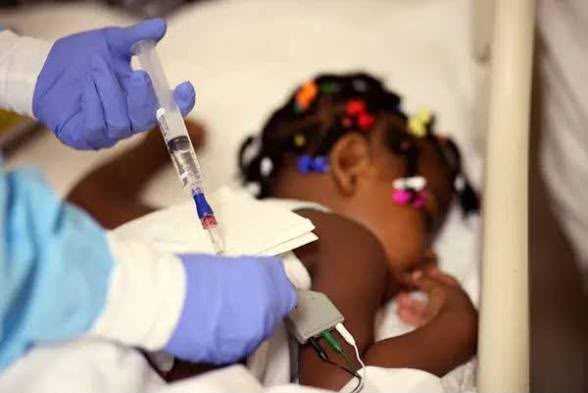
For many Zimbabwean parents, the race against childhood cancer begins long before a child reaches an oncology ward. It starts in clinics where symptoms are mistaken for common illnesses, referrals take time and precious weeks slip away before the correct diagnosis is made.
A persistent fever, swollen glands, unexplained bruises or severe bone pain often send families from one health facility to another.
By the time some children are referred for specialist care, the disease has already advanced, leaving doctors with fewer treatment options and children with slimmer chances of survival.
Zimbabwe's childhood cancer survival rate remains below 20%, compared with more than 80% in high-income countries, exposing the consequences of delayed diagnosis, limited specialist services and the high cost of treatment.
Those challenges came into focus on Monday as Secretary for Health and Child Care Aspect Maunganidze engaged international health partners on improving childhood cancer and sickle cell care.
Rather than focusing on new infrastructure, the discussions centred on a problem health experts say continues to claim young lives: children reaching treatment too late.
Professor Gita Naidu, Director of the Sub-Saharan Africa Region at St. Jude Global, said Zimbabwe must move from treating advanced disease to identifying children before their conditions worsen.
She said there is an urgent need to shift from late to early diagnosis, ensure equitable access to specialised treatment and address the high cost of essential paediatric oncology medicines.
Professor Naidu said St. Jude Global remains committed to working with Zimbabwe by building local capacity through partnerships, expanding training and strengthening healthcare services so that every child affected by cancer or sickle cell disease receives timely, high-quality care across the country.
Related Stories
The concerns reinforce what organisations supporting affected families have been witnessing for years.
KidzCan Zimbabwe Finance Manager Gift Marunda said delayed diagnosis remains one of the biggest obstacles to improving survival rates.
"Children are presenting to hospitals very late. What that means is that the cost of treatment becomes high, the chances of survival are reduced, and we eventually lose the children," he said.
The challenge extends beyond childhood cancer. Children living with sickle cell disease also face delayed diagnosis, with many only being identified after suffering repeated pain crises and severe complications that could have been managed earlier through timely screening and treatment.
Maunganidze also met Jagan Chapagain, Secretary-General of the International Federation of Red Cross and Red Crescent Societies, where discussions broadened to strengthening community health systems, expanding immunisation and improving access to healthcare services.
Chapagain said stronger health systems begin where people live rather than where specialists work.
"Our focus is always to support national priorities through local partners. We believe stronger community health systems are essential because success begins at the community level," he said.
He said there is a growing consensus among health experts that improving childhood cancer survival will depend not only on specialist hospitals but also on community clinics that can recognise danger signs early, refer children quickly and connect families to treatment before the disease progresses.
For many Zimbabwean families, the greatest challenge is therefore not reaching a cancer specialist, but getting the correct diagnosis in time.




Leave Comments