






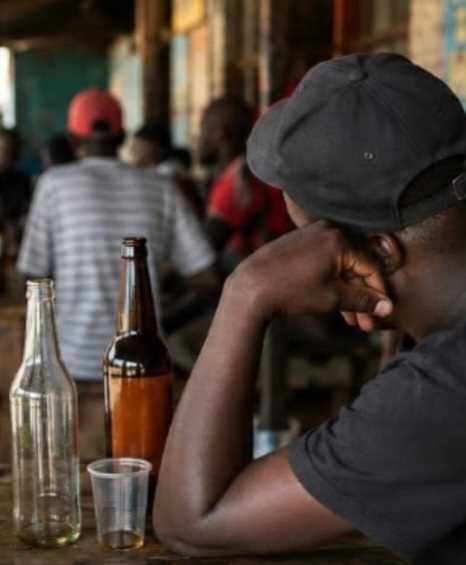
A recent funeral in Seke left me with more than memories of a family bidding farewell to a loved one. In the background, groups of young men and women drifted from one drinking spot to another. Some arrived already intoxicated.
Others spent more time chasing the next bottle than comforting the bereaved. It would have been easy to dismiss it as young people having fun. The scale suggested something deeper.
This is not a story about Seke alone. It is a reality repeated across high-density suburbs, growth points, mining towns and rural business centres. The names change, but the pattern remains. Taverns are full before midday while many young people, full of talent and ambition, spend hours drinking away time that could have been invested in learning a skill, building a business or pursuing an education.
It is tempting to blame poor discipline. That is the easiest explanation, but it is also the least convincing.
Alcohol is often a symptom, not the disease.
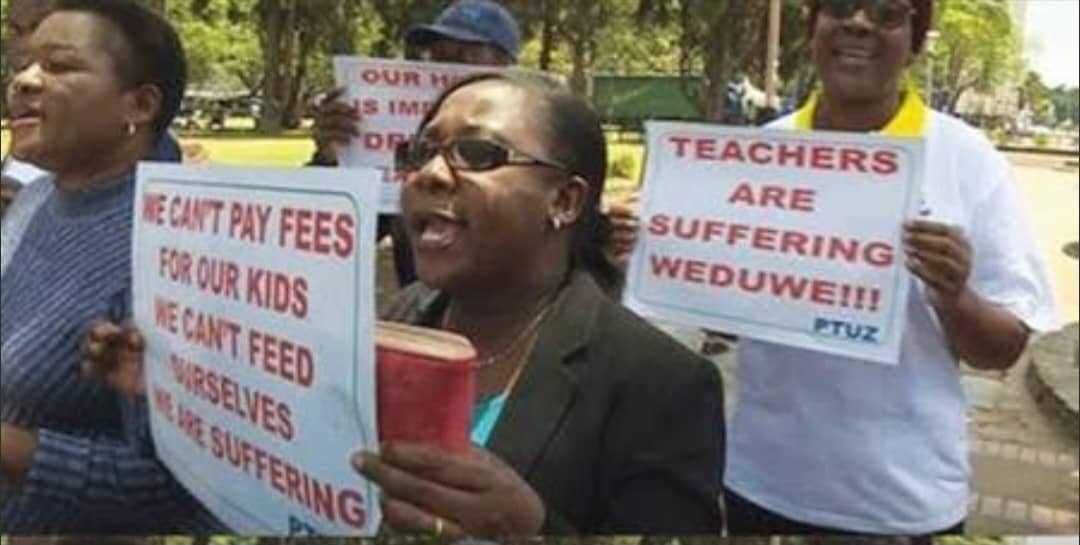
Zimbabwe has one of Africa's youngest populations. Every year, thousands of young people leave schools, colleges and universities hoping to build meaningful lives. Instead, many encounter unemployment, limited business opportunities and wages too low to offer hope of a better future. For some, alcohol becomes an escape from the widening gap between aspiration and reality.
Related Stories
There is also a social dimension. In many communities, the tavern has quietly replaced the youth centre. Football grounds are neglected. Community halls stand idle. Public libraries have faded from everyday life. As spaces that once nurtured talent, friendship and purpose disappear, alcohol increasingly fills the vacuum.
The burden is not only economic. Many young Zimbabweans carry silent pressures: supporting families, paying school fees, searching for work and confronting an uncertain future. Mental health remains largely ignored, particularly among young men who are expected to appear strong rather than admit vulnerability. Alcohol is cheap, readily available and socially accepted. What begins as temporary relief can quickly become dependence.
The consequences extend far beyond the individual. Families lose sons and daughters who should be building productive lives. Employers bear the cost of absenteeism and declining productivity. Communities experience rising domestic violence, road accidents, crime and other social problems linked to substance abuse. Ultimately, the nation loses valuable human capital.
Reversing this trend requires more than campaigns warning about the dangers of alcohol. Young people need meaningful alternatives. They need functioning sports facilities, vocational training, apprenticeship opportunities, thriving arts and cultural programmes, and mentors who listen without judgment. Above all, they need reasons to believe that tomorrow can be better than today.
Policies alone will not change behaviour if they never reach the young people most at risk. Real change will be measured not by the number of awareness campaigns launched, but by whether young Zimbabweans have genuine opportunities to choose a different path.
The young men and women drinking through that funeral in Seke are not a lost generation. They are a generation waiting for opportunity, purpose and hope. Zimbabwe's future will not be determined only by economic growth figures or new infrastructure projects. It will be determined by whether its young people believe they have something worth staying sober for.
Simbarashe Namusi is a media expert and a peace, leadership and governance scholar. He writes in his personal capacity.







Leave Comments