




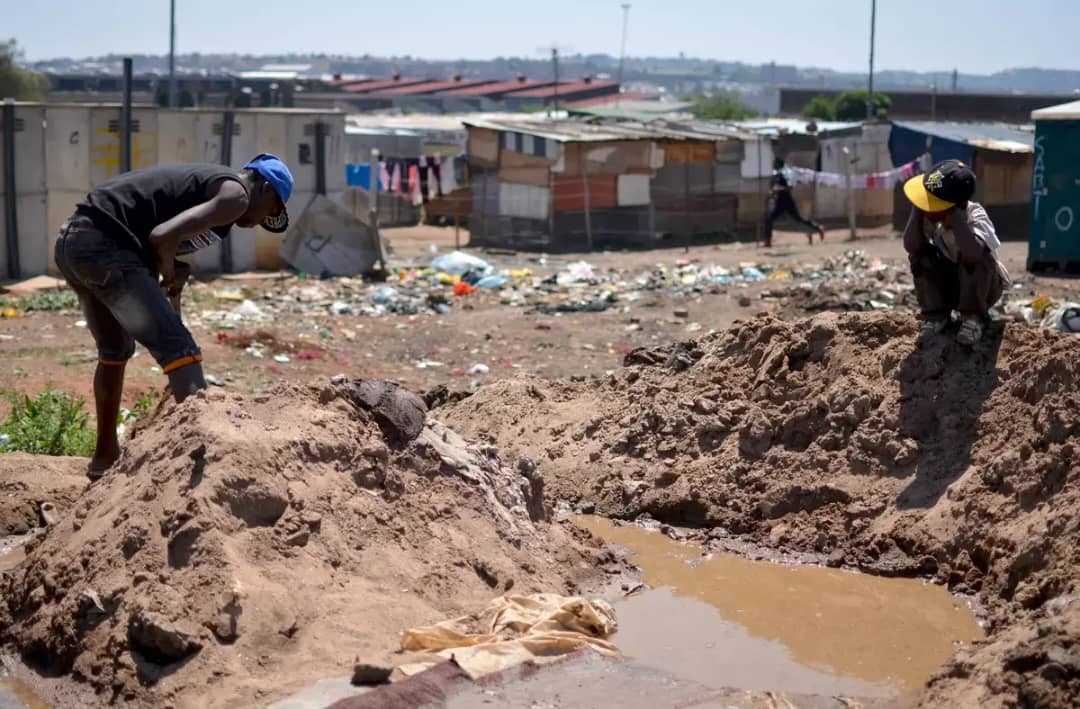
The Government has announced a nationwide crackdown on illegal and unplanned mining activities in urban and peri-urban areas after Cabinet warned that the rapid expansion of mining operations is destroying infrastructure, polluting water sources and creating serious public health and social challenges.
Cabinet has approved a whole-of-government approach to tackle the growing problem, including the establishment of a national task force and a review of penalties to impose tougher sanctions on offenders.
The intervention follows growing concern over the proliferation of mining activities in areas under local authorities, particularly around Bindura Municipality and Bindura Rural District Council, where Government says uncontrolled mining is undermining urban development and damaging public infrastructure.
Addressing the issue, Minister of Local Government and Public Works Daniel Garwe said illegal mining has become a major obstacle to orderly urban planning.
"Urban mining has created suffering for ordinary citizens in respective municipalities. The damage caused to land set aside for social amenities, including schools, clinics and many other public facilities, means municipalities now have to find alternative land for allocation," Garwe said.
According to the post-Cabinet briefing, the problem extends far beyond the illegal extraction of minerals.
"The expansion of mining operations within urban and peri-urban areas without adequate planning and inter-agency coordination is increasingly generating severe environmental, social and infrastructural challenges," Cabinet said.
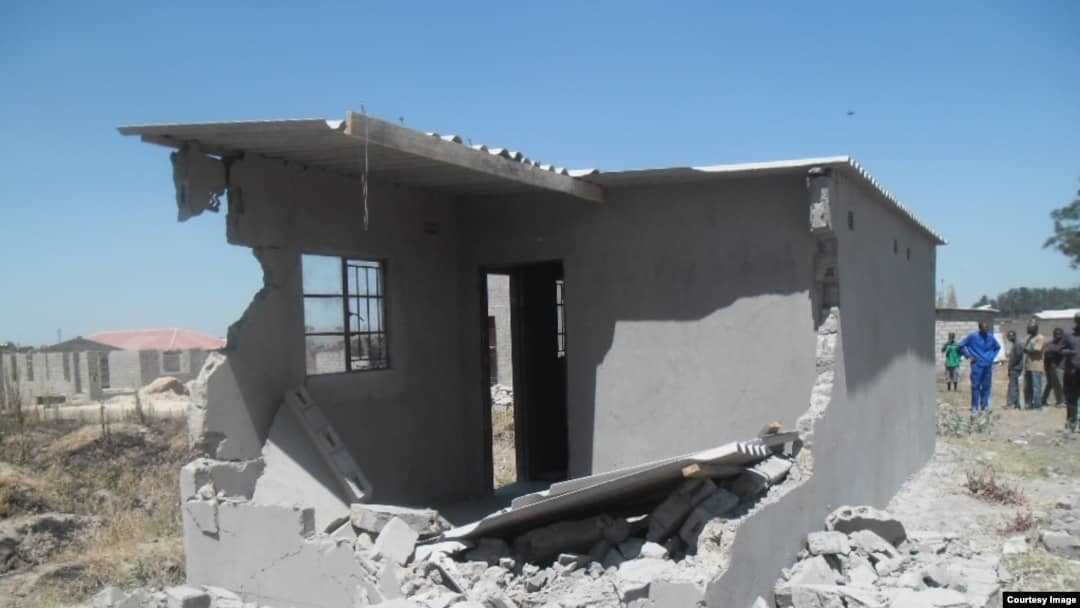
Government said the consequences include the destruction of rail and road infrastructure, pollution of water sources, and an increase in diseases such as silicosis and tuberculosis, as well as drug and substance abuse and sexually transmitted infections.
The findings highlight the increasingly complex impact of illegal mining, which authorities say is no longer solely an environmental issue but also a public health, infrastructure and urban governance challenge.
While artisanal and small-scale mining remains one of Zimbabwe's largest sources of gold production and livelihoods, the expansion of mining into residential and planned urban areas has exposed weaknesses in land-use planning, regulatory enforcement and coordination among government agencies.
Related Stories
Mining activities on land earmarked for housing developments, schools, clinics, roads and other public infrastructure have complicated local authorities' efforts to implement master plans, often forcing councils to identify alternative land for essential public services.
The destruction of roads and railway infrastructure also carries significant economic costs by increasing maintenance expenses and disrupting transport networks that support agriculture, mining and commerce.
Cabinet said the response would involve coordinated action across Government ministries and agencies rather than isolated enforcement operations.
"Accordingly, Cabinet resolved to adopt a whole-of-government approach and to appoint a task force to deal with the problem at the national level."
Government also announced plans to strengthen the legal framework by increasing the penalties imposed on offenders.
"Government will also review the penalties and fines to make them more punitive for offenders and strictly enforce the law," Cabinet said.
The tougher stance reflects growing recognition that existing penalties have not been sufficient to deter illegal mining, particularly where the profits generated significantly outweigh the financial consequences of prosecution.
However, the success of the proposed measures will depend on consistent enforcement and stronger coordination among local authorities, the Ministry of Mines and Mining Development, the Zimbabwe Republic Police, the Environmental Management Agency, the Ministry of Local Government and other regulatory institutions.
The announcement also raises broader questions about balancing economic opportunity with sustainable urban development. Artisanal and small-scale mining contributes significantly to Zimbabwe's gold output and provides employment for hundreds of thousands of people, yet unregulated mining continues to impose substantial environmental and social costs.
The issue has long attracted calls from stakeholders for stronger enforcement, while highlighting that long-term solutions will also require better land-use planning, the formalisation of small-scale mining operations, stricter environmental compliance and improved monitoring to prevent mining on land reserved for critical public infrastructure.








Leave Comments