






Bulawayo is set to become the focus of a climate resilience and environmental restoration programme after the Food and Agriculture Organization of the United Nations (FAO) and its partners identified more than 1,900 hectares of degraded urban landscapes for rehabilitation under the Global Environment Facility's Sustainable Cities Integrated Programme.
The programme will restore degraded waterways, rehabilitate land damaged by illegal sand mining, improve waste management and expand urban agroforestry in an effort to strengthen climate resilience, biodiversity and food security in Zimbabwe's second-largest city.
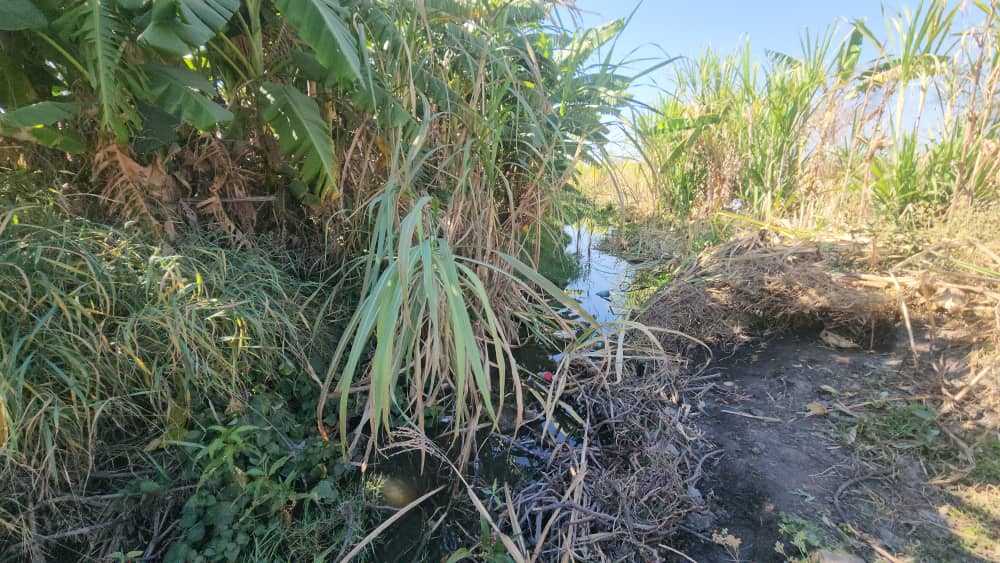
The assessment mission began at the Cowdray Park Stream Corridor, where years of environmental degradation have weakened the ecological health of the waterway.
FAO said the stream will be restored through nature-based solutions designed to improve water retention, reduce erosion and rebuild climate-resilient urban ecosystems.
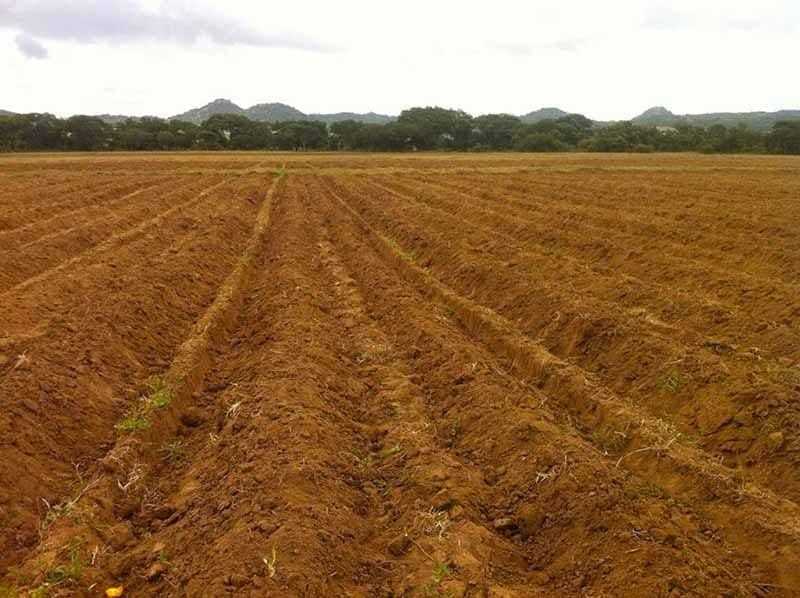
The team also assessed degraded land in Cowdray Park, where approximately 1,800 hectares have been damaged by years of illegal sand mining.
According to FAO, the project will rehabilitate the landscape using indigenous tree species and other nature-based interventions aimed at stabilising soils, restoring biodiversity and preventing further land degradation.
The mission then visited the Richmond Landfill, where plans include improving waste management systems, strengthening circular economy practices and restoring 38 hectares of degraded land through afforestation along the Cowdray Park stream buffer.
The final stop was the 80-hectare Luveve Agroforestry Plots, where sustainable land management and agroforestry interventions are expected to improve soil health, increase food production and strengthen resilience to climate change.
FAO said the assessments marked an important milestone towards transforming degraded urban landscapes into productive ecosystems capable of supporting communities while improving environmental sustainability.
"These assessments marked a significant step towards transforming degraded urban landscapes into productive, climate-resilient ecosystems. Through the GEF-8 SCIP Project, FAO and its partners will invest in restoring ecosystems, strengthening urban food systems and creating greener cities," the organisation said.
The programme comes as Zimbabwe continues to grapple with the growing impacts of climate change, including prolonged droughts, erratic rainfall, declining biodiversity and increasing pressure on already fragile urban infrastructure. Bulawayo has become one of the country's most climate-vulnerable cities, frequently experiencing severe water shortages as dam levels fluctuate and temperatures continue to rise.
Related Stories
Climate scientists argue that restoring degraded ecosystems is no longer simply an environmental issue but an economic necessity. The Intergovernmental Panel on Climate Change says nature-based solutions can reduce climate risks while providing multiple social, economic and environmental benefits, noting that restoring forests, wetlands and degraded land can reduce flooding, improve water security, enhance biodiversity and strengthen food production.
FAO Director-General Qu Dongyu has similarly stressed that ecosystem restoration is central to sustainable development.
"Healthy ecosystems are the foundation of food security, biodiversity conservation and climate resilience," he has said, arguing that investments in restoring degraded landscapes generate long-term economic, environmental and social returns.
The Bulawayo initiative also highlights the growing environmental cost of illegal sand mining.
The Environmental Management Agency has repeatedly warned that uncontrolled extraction destroys riverbanks, accelerates soil erosion, reduces groundwater recharge, damages biodiversity and increases the risk of flooding. Environmental regulators have also linked illegal sand mining to declining water quality and increased sedimentation in rivers and dams, reducing the capacity of already stressed water systems.
The focus on agroforestry reflects growing international evidence that integrating trees into farming systems strengthens resilience to climate change.
CIFOR-ICRAF Chief Executive Officer Dr Eliane Ubalijoro has argued that:
"Trees on farms are essential for resilient food systems because they improve soil fertility, conserve water and diversify incomes."
Research by the organisation shows that agroforestry improves moisture retention, reduces erosion and helps farming systems adapt to increasingly erratic weather patterns.
The Richmond Landfill intervention could also deliver climate benefits beyond improved waste management. According to the United Nations Environment Programme (UNEP), poorly managed landfills are a major source of methane emissions, one of the most potent greenhouse gases driving global warming. UNEP has identified improved waste management and circular economy practices as among the fastest and most cost-effective ways for cities to reduce emissions while creating employment opportunities through recycling and resource recovery.
However, environmental experts caution that restoration projects often fail when enforcement and long-term maintenance are neglected. Climate governance specialists argue that successful ecosystem rehabilitation requires sustained financing, community ownership and stronger enforcement against illegal sand mining, land degradation and deforestation. Without these measures, restored ecosystems risk returning to a degraded state once donor-funded programmes come to an end.
The Bulawayo project represents more than a tree-planting exercise. It is a test of whether Zimbabwe can integrate climate adaptation, urban planning, environmental protection and community participation into a single development model.






Leave Comments