







Zimbabwe is stepping up efforts to reduce its dependence on foreign donors for family planning by developing a contraceptive cost recovery system aimed at sustaining one of Africa's strongest reproductive health programmes.
Government, the Zimbabwe National Family Planning Council (ZNFPC), the United Nations Population Fund (UNFPA) and other stakeholders recently met to develop an implementation matrix for the Contraceptive Cost Recovery Framework, which seeks to mobilise domestic resources while protecting access for poor and vulnerable women.
Opening the meeting, Ministry of Health and Child Care Deputy Director Lucia Gondongwe described the framework as a key milestone in strengthening health financing and ensuring sustainable access to family planning commodities.
ZNFPC Chief Executive Officer Farai Machinga said Zimbabwe could no longer rely heavily on donor funding to sustain family planning services.
"Sustainable local financing has become critical to ensure uninterrupted access to contraceptives and reproductive health services in an environment with diminished donor financing," he said.
He said the Kadoma meeting also reviewed findings from the Family Planning Economic and Health Impact Assessment while advocating greater domestic investment in reproductive health.
Related Stories
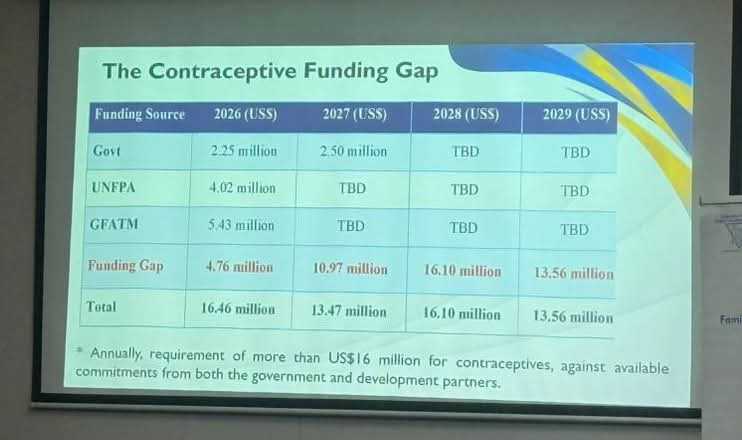
According to UNFPA Reproductive Health Specialist Dr Edwin Mpeta, Zimbabwe requires about US$19.6 million annually for contraceptives and condoms. Government currently contributes about US$2 million, with development partners financing the remainder.
Mpeta said Zimbabwe must pursue commodity independence through increased Treasury funding, innovative financing mechanisms and other domestic resource mobilisation strategies.
The proposed framework introduces market segmentation, allowing those who can afford contraceptives to contribute towards their cost while revenues subsidise supplies for poorer households.
Zimbabwe enters the transition from a relatively strong position, with one of Africa's highest modern contraceptive prevalence rates at about 69 percent among married women, according to UNFPA.
Health officials say sustained domestic financing has become increasingly important as international development assistance for sexual and reproductive health continues to decline. Recent government health financing measures include a Health Levy that has generated US$10 million and a sugar tax that has raised US$18 million to support healthcare funding.
The ZNFPC is also expanding partnerships with organisations such as Population Services Zimbabwe to strengthen domestic resource mobilisation, community outreach, clinical training and integrated family planning services.
Health experts say while cost recovery can improve contraceptive security, affordability safeguards, transparent management of recovered funds and continued government investment will be essential to ensure no woman is denied access because of financial constraints.






Leave Comments