







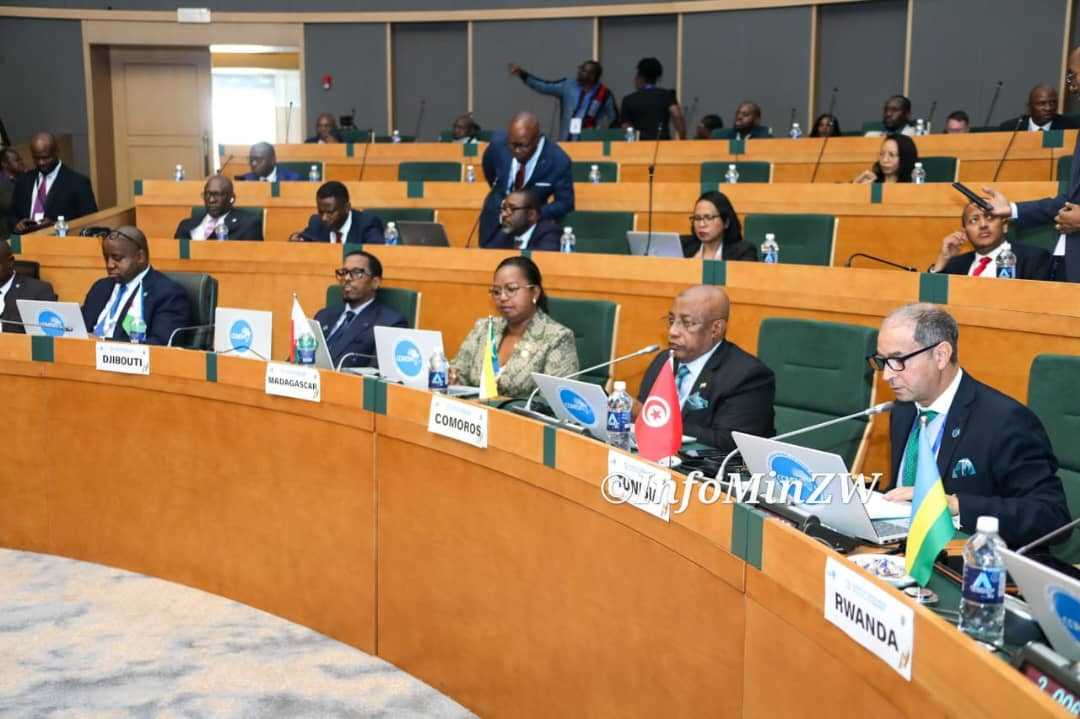
Southern African Development Community finance ministers and central bank governors have renewed calls for faster regional economic integration, warning that rising geopolitical tensions, slowing global trade and tightening financial conditions are making it increasingly difficult for individual countries to withstand external economic shocks.
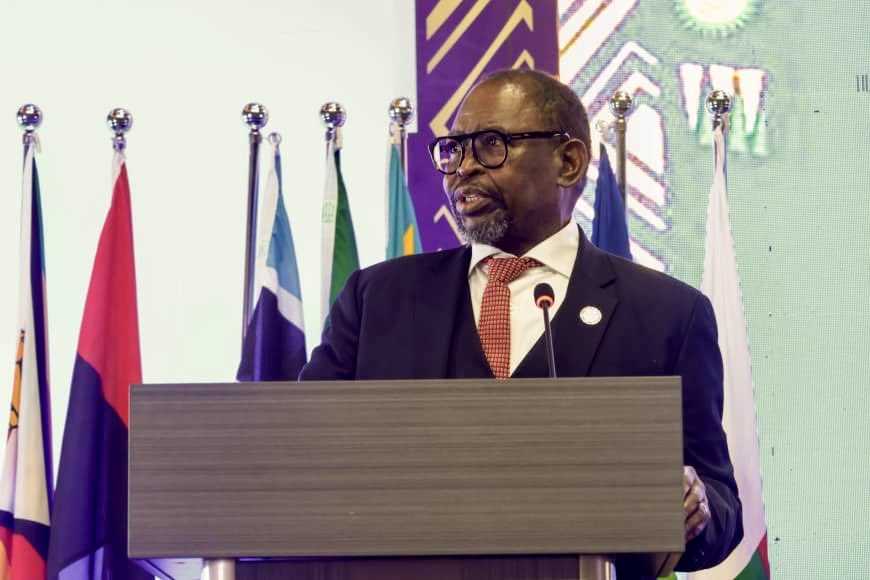
Opening the Southern African Development Community Finance and Investment Meetings in Harare, Finance, Economic Development and Investment Promotion Minister Professor Mthuli Ncube said stronger regional cooperation had become essential for sustaining growth and attracting investment.
"Regional cooperation is the foundation for resilience and shared prosperity," Ncube said, urging member states to strengthen macroeconomic convergence, deepen financial integration, operationalise the Southern African Development Community Regional Development Fund and move beyond policy commitments to implementation.
The meeting comes as the Southern African Development Community region continues to grapple with slowing economic growth, rising debt burdens, climate-related disasters, energy shortages and declining concessional financing, placing pressure on governments to mobilise domestic resources while expanding regional trade.
According to the African Development Bank, Africa's average growth is projected at 3.9 percent in 2025, but many Southern African economies continue to face constrained fiscal space, high debt servicing costs and infrastructure financing gaps that limit investment and industrialisation.
Southern African Development Community Executive Secretary Elias Magosi said the region had shown resilience despite global uncertainty but warned that deeper reforms were needed.
Related Stories
"Greater industrialisation, policy coherence, energy security, agricultural modernisation, trade facilitation and stronger regional value chains" were essential to driving sustainable development, he said.
South Africa's Finance Minister and Southern African Development Community Chairperson Enoch Godongwana said the changing global economy required coordinated regional responses rather than isolated national policies.
He called on member states to mobilise innovative financing, strengthen public-private partnerships, leverage the region's critical mineral resources, expand infrastructure investment and accelerate economic integration to shield Southern African economies from external shocks.
The renewed focus on regional integration comes as the African Continental Free Trade Area begins expanding intra-African trade, creating opportunities for Southern African manufacturers and exporters to diversify markets beyond traditional trading partners in Europe and Asia.
However, that progress has remained slow despite decades of regional agreements.
The African Export-Import Bank estimates that intra-African trade accounts for only about 15 percent of the continent's total trade, compared with around 60 percent in Europe and 40 percent in North America, largely because of infrastructure bottlenecks, cumbersome border procedures, limited industrial capacity and regulatory fragmentation.
Recent discussions at the Zimbabwe National Chamber of Commerce Annual Congress echoed similar concerns, with business leaders arguing that the private sector must play a greater role in regional integration by developing competitive industries capable of supplying regional value chains rather than relying predominantly on imports.









Leave Comments