






A Chinese photographer’s 700-kilometre walk across Kenya’s Rift Valley goes beyond telling an adventure, offering a deeply personal reflection on Africa, cultural understanding and the quiet human connections shaping China-Africa relations.
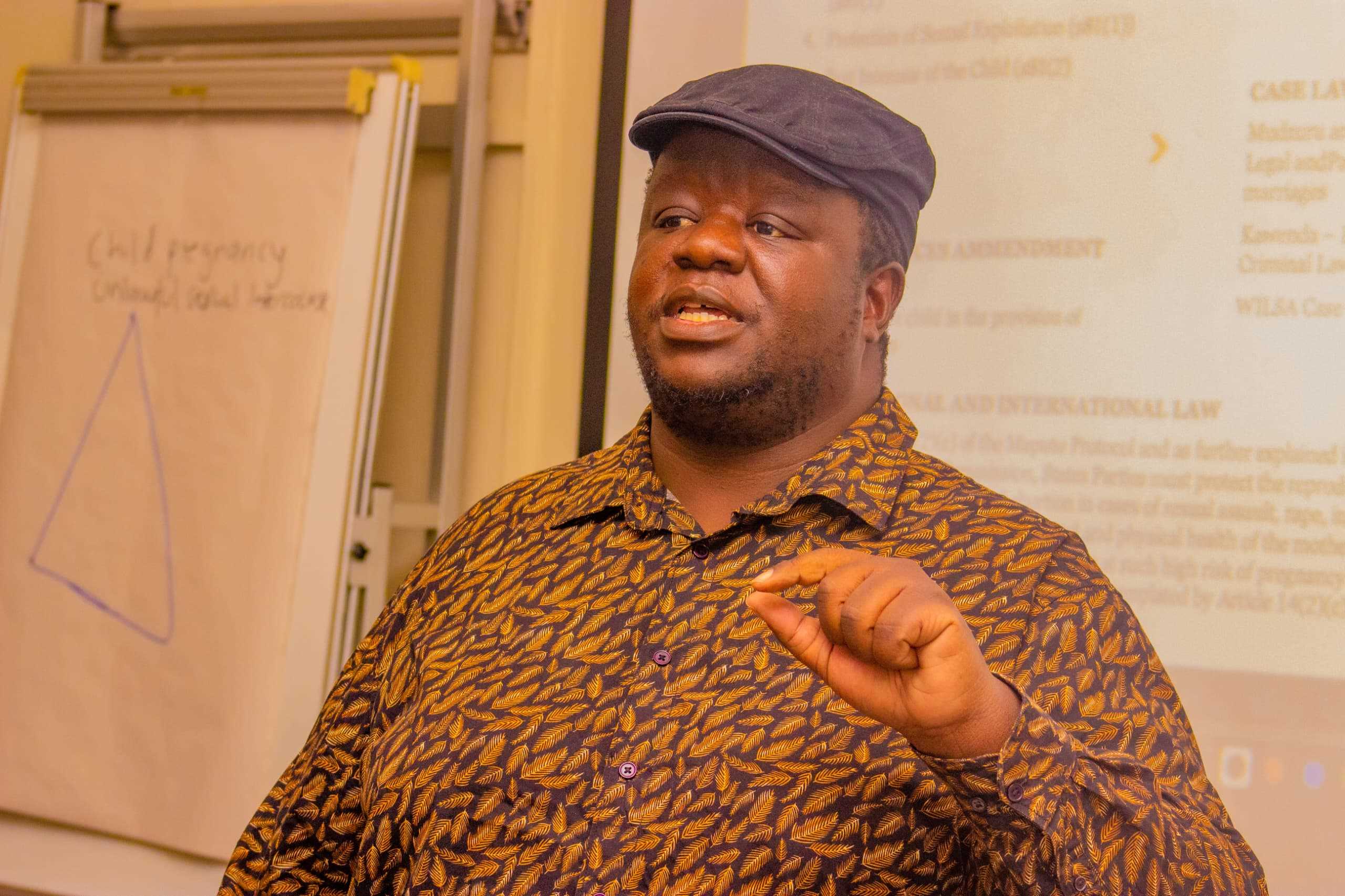
Qi Lin, author of The Camel Diaries, shared the story of his journey during a CGTN conversation hosted by Gao Junya, alongside Zimbabwean writer and journalist Monica Cheru.
The book follows Qi Lin’s journey with a camel named Kipesh and his Samburu guide and mentor, Martin, from southern Kenya along the Great Rift Valley to the country’s northern reaches near Lake Turkana.
Qi Lin said the journey began as a personal diary, written mainly to reassure family and friends that he was still alive during the demanding trek. Over time, however, his daily reflections attracted wider interest because they presented an Africa different from the usual images carried by mainstream and social media.
“The most important thing was just to tell my family and my friends I’m still alive,” he said, explaining how the diary posts later became a published book.
The journey took Qi Lin through arid landscapes, desert terrain, unpredictable weather, water shortages and areas where survival depended heavily on local knowledge. He said the camel was not merely transport, but a central character in the story.
Kipesh, he said, determined the rhythm of the journey.
“He walks, we walk. He rests, we rest,” Qi Lin said, adding that the camel’s stubborn personality often made him feel more like a travel companion than an animal being led.
Qi Lin said the trip also deepened his appreciation of the Samburu people and the survival wisdom carried by communities often dismissed as poor or remote. Martin, the Samburu guide, became more than a guide, teaching him how to read clouds, grass and signs of danger in the landscape.
“He is my mentor,” Qi Lin said. “He taught me how to become a human.”
The conversation repeatedly returned to the question of how Africa is seen, written about and understood by outsiders. Cheru said one of the strengths of The Camel Diaries is that it avoids the trap of “poverty porn”, instead telling people’s stories without reducing them to hardship.
Qi Lin said his own views of Africa had changed after years of living and working on the continent. He admitted that when he first arrived, he carried many stereotypes, including assumptions about heat, conflict and disease.
But real contact with people gradually dismantled those ideas.
He said definitions of poverty also needed to be questioned, arguing that material wealth alone cannot capture the richness of human life, community, happiness and knowledge.
“When I’m with the Kenyan people in the field, they are happier than me. I have a vehicle, they have a camel. A vehicle is more expensive than a camel, but they are happier,” he said.
Related Stories
Cheru agreed, noting that much of Africa’s economy and wealth is not always captured in formal monetary terms. She said some communities may exchange goods and services without cash changing hands, yet still possess social and material systems that outsiders fail to count.
The discussion also explored the need for more personal stories in China-Africa exchanges. Cheru said much of the available writing on Africa-China relations is dominated by academic papers, investment figures, infrastructure projects and official statistics.
While such material is important, she said it often fails to capture the human relationships that make international cooperation meaningful.
“We need more books like this to connect us as people, not at international level, not at government level, but as human beings,” she said.
Qi Lin said China-Africa relations are not built only through macro-level projects, history and diplomacy, but also through individuals.
He said ordinary Chinese and African people, meeting, working, misunderstanding each other, learning from each other and forming friendships, are also shaping the relationship.
Cheru said there is also need for more translation and co-writing between Chinese and African writers. She said some Chinese authors may already be writing compelling stories about Africa, but if they remain in Chinese, many African readers never encounter them.
She suggested that collaboration between Chinese and African writers could help produce books that speak meaningfully to both audiences.
The conversation also touched on Zimbabwe as a possible destination for future exploration. Cheru recommended the northern parts of the country, including areas linked to dinosaur footprints, fossilised forests and the Doma people, while also arguing that foreign writers should consider stories beyond rural and wildlife narratives.
She said Africa also needs stories about its cities, entrepreneurs, technology, tourism, millionaires and modern complexity.
Qi Lin said Africa is changing rapidly. He first went to Kenya in 2011 and has seen the country transform through construction, trade, industrial development and now emerging high-tech connections. He noted that even remote areas were not as disconnected as outsiders may imagine, pointing to Kenya’s long-standing mobile money culture and the availability of cellphone signal during parts of his desert journey.
Looking ahead, Qi Lin said he wants to return to Turkana, possibly with a robot, describing artificial intelligence as “a baby of mankind” that could be taken to the birthplace of humanity.
Cheru, who is also working on a book about China-Africa relations, said her project examines difficult case studies of tensions between Chinese and Africans, how such problems emerge and what solutions may be possible.
The discussion ended on a shared note: that China-Africa understanding cannot be built by governments alone. It must also be shaped by travellers, writers, workers, entrepreneurs, guides, translators and ordinary people willing to see one another beyond stereotypes.







Leave Comments