







As traditional sources of development finance become harder to access, Zimbabwe is betting that domestic resources, private investment and renewed engagement with international creditors can provide a more sustainable path to economic growth.
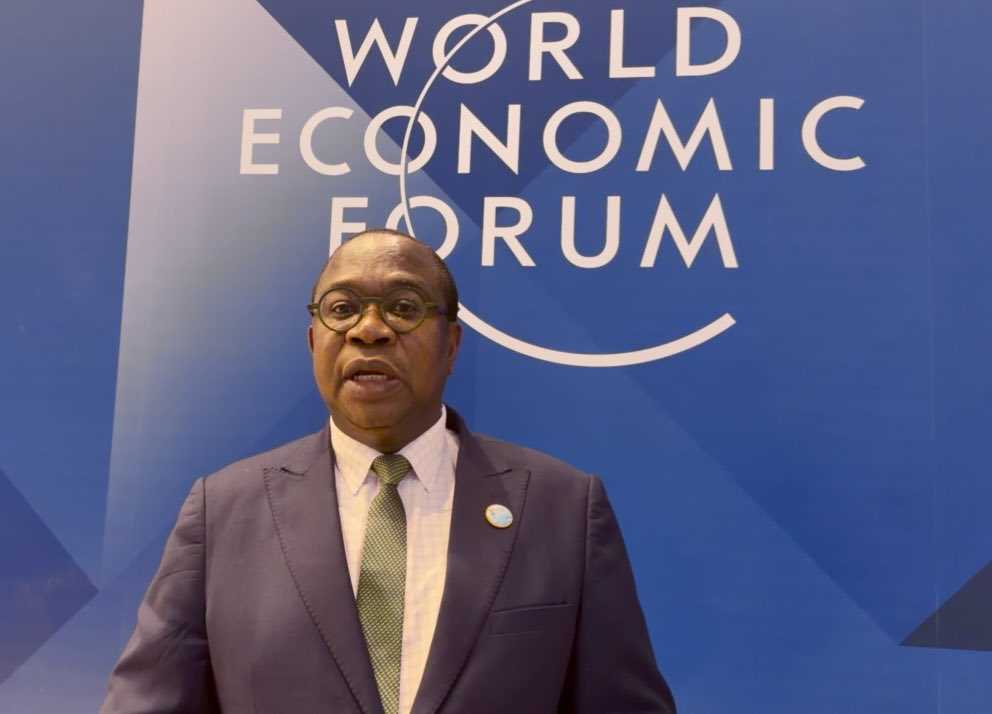
Speaking at the World Economic Forum Annual Meeting in Dalian, China, Minister of Finance, Economic Development and Investment Promotion Mthuli Ncube said many developing countries are facing shrinking fiscal space, rising debt servicing costs and tighter global financial conditions.
"The traditional reliance on public debt and aid is no longer sufficient to sustain growth," Ncube said.
Instead, he argued that countries should mobilise domestic resources, deepen financial markets and attract private capital.
For Zimbabwe, that includes expanding public-private partnerships, promoting debt-for-development swaps and leveraging diaspora remittances, which he said now exceed United States$3 billion annually.
His remarks come as Zimbabwe intensifies efforts to restore financial relations with Western lenders while simultaneously strengthening economic ties with China. Earlier this week, Ncube revealed that Zimbabwe was discussing resource-backed infrastructure financing with Chinese partners, including China Railway, as part of efforts to finance roads and rail without relying solely on conventional borrowing.
At the same time, Treasury is pursuing arrears clearance and debt restructuring with multilateral lenders through an International Monetary Fund Staff-Monitored Programme, a process the minister has described as critical to rebuilding credibility and eventually unlocking concessional financing from institutions such as the International Monetary Fund and the World Bank.
Related Stories
Zimbabwe's debt challenge remains significant. The African Development Bank says the country's public debt stood at about United States$21.5 billion at the end of 2025, including United States$11.7 billion in external debt, a burden that has largely shut Zimbabwe out of affordable international finance.
While economists broadly agree that resolving the debt impasse is necessary, civil society organisations argue that debt discussions must ultimately translate into tangible improvements in people's lives.
The Zimbabwe Coalition on Debt and Development has consistently argued that public borrowing and debt management should be people-centred, warning that excessive indebtedness reduces fiscal space for essential public services and undermines socio-economic development. The organisation says prudent and transparent public resource management, together with stronger domestic resource mobilisation, is essential if debt resolution is to benefit citizens rather than simply restore access to borrowing.
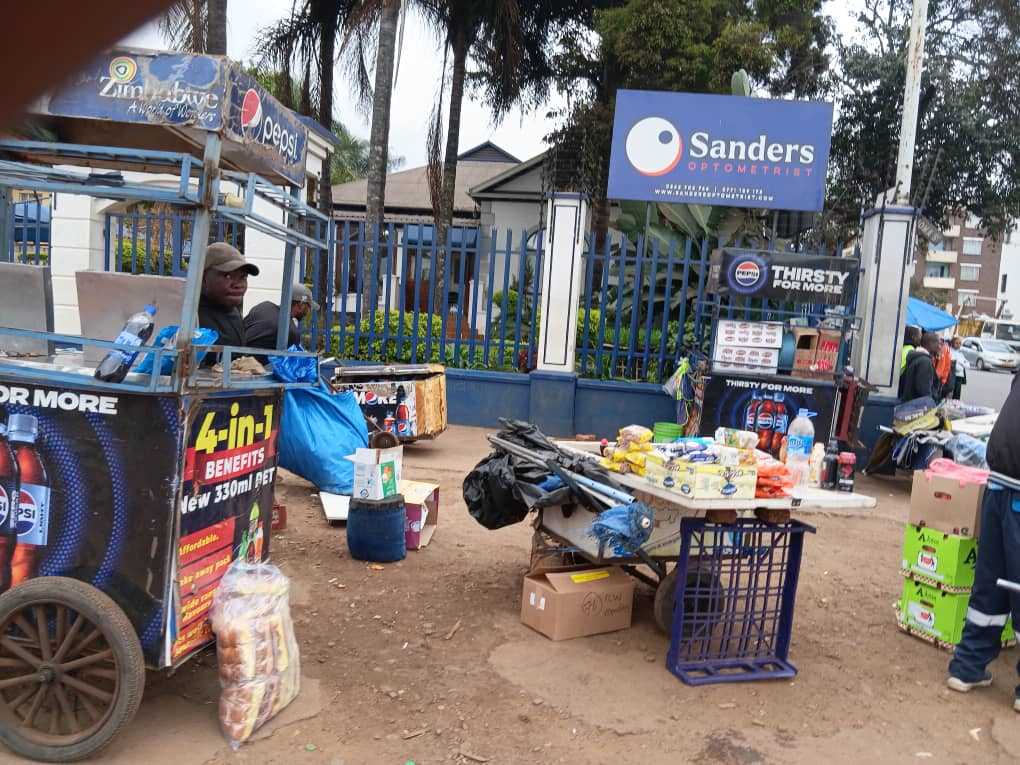
The impact of Zimbabwe's debt burden is already being felt by ordinary citizens.
With limited access to concessional financing, Government has increasingly relied on domestic revenue to fund public spending.
Economists note that this places greater pressure on taxpayers while limiting investment in health, education, water infrastructure and social protection. High debt servicing obligations also reduce the resources available for capital projects that could stimulate economic growth.
Ncube's strategy therefore represents a balancing act. On one hand, he is seeking renewed financial engagement with Western creditors to clear arrears and restore access to cheaper international finance. On the other, he is expanding partnerships with China and encouraging greater private sector participation to fill immediate financing gaps.







Leave Comments