







The transformation of six solar-powered water schemes in Hurungwe from basic water supply projects into engines of food production and household income is reigniting debate over whether Zimbabwe should begin treating rural water infrastructure as an economic investment rather than a social service, as climate change increasingly threatens rain-fed agriculture.
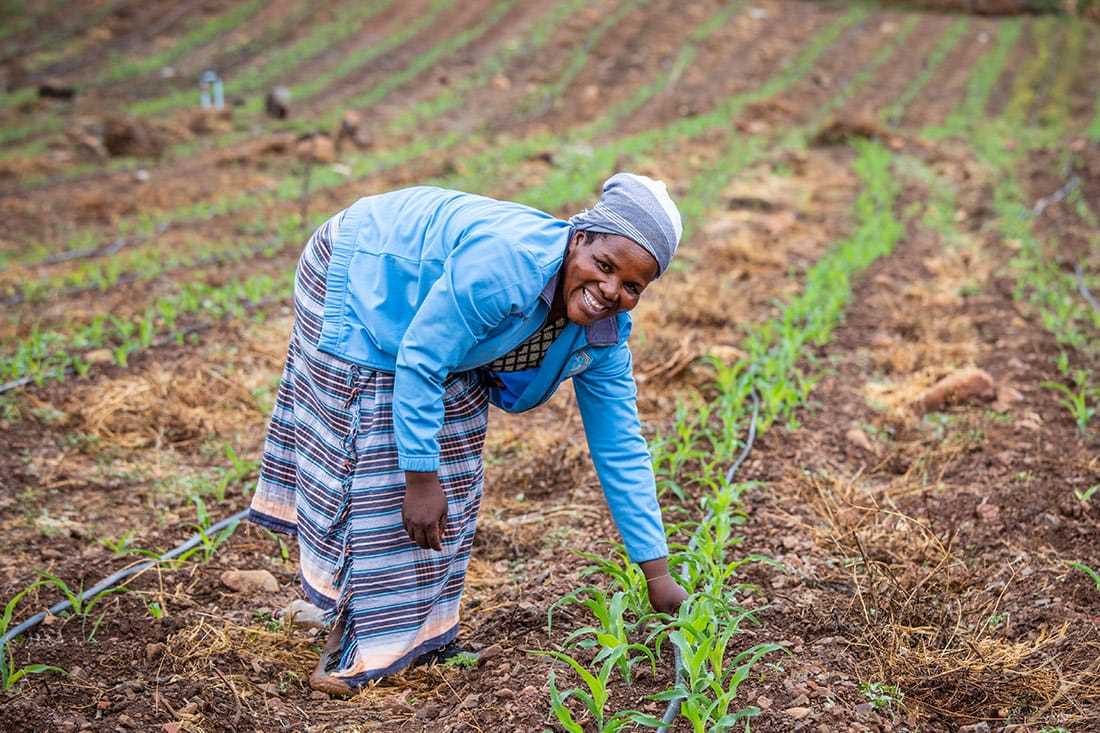
The United Nations Development Programme says more than 3,000 households in Hurungwe's Wards 7, 8 and 9 are now benefiting from reliable piped water and fenced nutrition gardens established under the Zambezi Valley Biodiversity Project, implemented with the Government of Zimbabwe, the Community Technology Development Organisation and funding from the Global Environment Facility.
According to UNDP, the intervention has fundamentally altered livelihoods in communities that once depended on seasonal rivers and unsafe water sources.
"From digging for water in riverbeds to simply turning on a tap. This is the reality for communities in Hurungwe today," UNDP Zimbabwe said.
The agency added that access to clean, reliable water had "reduced the burden on women and girls, improved household health and sanitation, strengthened food security through nutrition gardens, and created new income opportunities that are helping families build resilient livelihoods and a brighter future."
"The impact goes beyond water access. With water now readily available, nutrition gardens are thriving, household incomes are growing, and families are diversifying their food and income sources. What was once a daily struggle for water has become a foundation for resilience and economic empowerment."
While the immediate benefits are evident, development experts say the significance of the Hurungwe project lies in what it reveals about the future of Zimbabwe's rural economy.
Nearly 80 percent of Zimbabwe's rural population depends on rain-fed agriculture, making farming increasingly vulnerable to prolonged droughts, erratic rainfall and rising temperatures associated with climate change. Repeated El Niño-induced dry spells have exposed the limits of relying solely on rainfall to sustain agricultural production and rural livelihoods.
The growing consensus among development agencies is that water infrastructure has become central to climate adaptation.
UNDP Zimbabwe Resident Representative Ayodele Odusola has previously argued that irrigation should no longer be viewed merely as an agricultural intervention.
"UNDP sees irrigation as one of the most effective climate change adaptation measures for agriculture in societies where smallholder farming is primarily rain-fed," Odusola said.
He added that irrigation projects contribute directly to Zimbabwe's National Development Strategy 1 by improving food security, strengthening climate resilience and supporting sustainable livelihoods.
Evidence from across Zimbabwe appears to support that position.
Beyond Hurungwe, UNDP's Climate Adaptation Water and Energy Programme has expanded integrated water, irrigation and renewable energy systems in drought-prone districts including Binga, Chipinge, Chivi and Insiza.
In Binga alone, the programme upgraded water systems serving more than 44,000 people, expanded water pipelines from 25 kilometres to 65 kilometres, reduced walking distances for water collection from between six and 10 kilometres to about 500 metres, while simultaneously supporting a 20-hectare irrigation scheme and four community nutrition gardens.
Those interventions illustrate an emerging development model that links water, agriculture, renewable energy and rural enterprise instead of treating them as separate sectors.
Related Stories
For agricultural economists, the significance lies in productivity.
Reliable water enables farmers to grow crops throughout the year instead of waiting for a single rainy season, increasing cropping intensity, improving yields and allowing households to diversify into higher-value horticultural production.
The Food and Agriculture Organization, which has rehabilitated dozens of irrigation schemes across Zimbabwe, says communities with access to climate-smart irrigation consistently perform better than those relying exclusively on rainfall.
Its latest assessment found that rehabilitated irrigation schemes have enabled farmers to harvest two or even three crops annually while strengthening their capacity to withstand climate shocks.
"Irrigation is more than infrastructure, it is about empowering rural communities through knowledge, partnerships, and sustainable practices," said FAO Subregional Coordinator Patrice Talla.
"Zimbabwe's experience shows how investing in climate-smart irrigation can transform lives and build resilience in the face of climate change."
FAO has also observed that successful irrigation schemes increasingly function as commercial enterprises rather than subsistence projects, linking farmers to financial institutions and formal markets while improving household incomes.
For women, the economic implications extend beyond agriculture.
In many rural communities, women spend several hours each day collecting water, reducing the time available for farming, trading or other productive work.
By bringing piped water closer to households, projects such as Hurungwe effectively increase the number of productive hours available each day without adding labour.
Development specialists describe this as reducing the "time poverty" that disproportionately affects rural women.
The Hurungwe project therefore addresses multiple challenges simultaneously, improving access to safe drinking water, supporting food production, reducing unpaid care work, creating income opportunities and strengthening resilience to climate shocks.
The project has also produced environmental benefits.
UNDP says reliable water sources and fenced gardens have reduced the need for villagers to enter wildlife habitats in search of water or cultivate crops in areas prone to crop destruction by elephants and other wild animals, helping reduce human-wildlife conflict in communities bordering protected areas.
Yet despite these gains, development analysts caution that infrastructure alone cannot transform rural economies.
Zimbabwe has a long history of irrigation schemes that initially flourished before deteriorating because of inadequate maintenance, governance failures, weak farmer organisations and lack of financing for repairs.
Research on irrigation sustainability consistently identifies institutional management, not engineering, as the determining factor in whether projects survive beyond donor funding.








Leave Comments