




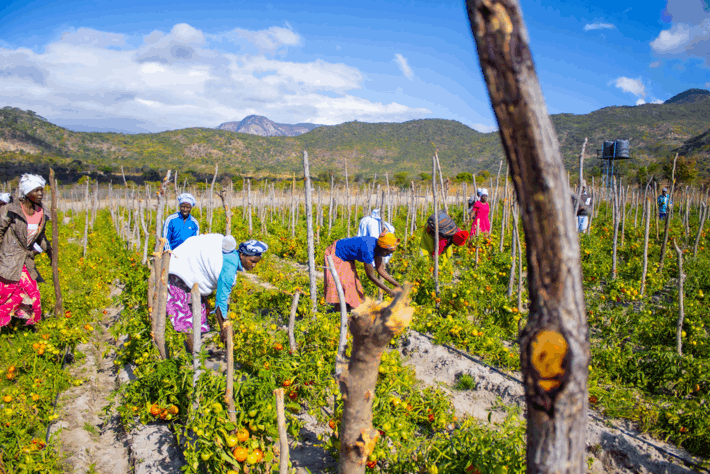
The Zimbabwe Resilience Building Fund, now entering the second year of its second phase, has reached over 1.1 million people since its 2015 launch and is on course to extend that cumulative reach to 1.55 million by 2028, as Phase 2 scales up across seven districts in the country's most climate-exposed regions.
Phase 2, backed by the European Union, Ireland, UNDP and FAO under Government of Zimbabwe leadership, targets 450,000 additional people across the Mid-Zambezi, south-western and southern regions, where climate-related stress on agriculture and natural resources is most acute. The programme runs to 2028 and adds a sharper emphasis on sustainable natural resource management alongside food security and livelihoods.
In Hurungwe, mushroom farmer Shumirayi Chindori said: "We now know how to prepare for droughts before they happen."
Outgoing EU Ambassador Jobst von Kirchmann framed resilience as a long-term undertaking rather than a project cycle. "By working together and building on past successes, we can create lasting, positive change."
Related Stories
Communities that have passed through ZRBF's model have demonstrably reduced their vulnerability profile: diversified income sources, functioning water infrastructure, and savings buffers that allow households to buy food in lean seasons rather than wait for external distribution.
UNDP Zimbabwe Resident Representative Dr. Ayodele Odusola described the programme's underlying logic. "ZRBF 2 builds on past successes to ensure that communities, including those in hard-to-reach areas, are empowered to manage their natural resources, improve food security, and adapt to climate and economic challenges."
Zimbabwe has historically been among the southern African nations most visibly dependent on international humanitarian appeals during drought years. During the 2024 El Niño season, the government identified 7.1 million people at risk of food insecurity, a figure that later climbed to nearly nine million requiring assistance through early 2025, prompting a state of national disaster declaration and a UN flash appeal of $429 million.
Similar scenes played out in 2019, when an estimated 5.5 million rural Zimbabweans were assessed as food insecure. Each episode carries not just economic cost but the diplomatic cost of a sovereign nation returning, season after season, to international donors with emergency appeals.
ZRBF's design is structured against that cycle. Rather than delivering food aid, it builds the capacity to absorb shocks before they become emergencies. Phase 1 communities adopted drought-tolerant seed varieties, established savings groups that evolved into small businesses, and learned to use early warning information as a planning tool rather than a cause for panic.







Leave Comments